DICOM Integration: A Practical Guide for Radiology
Understand DICOM integration for efficient radiology. Learn benefits, challenges, and best practices to optimize imaging workflows and reduce costs.
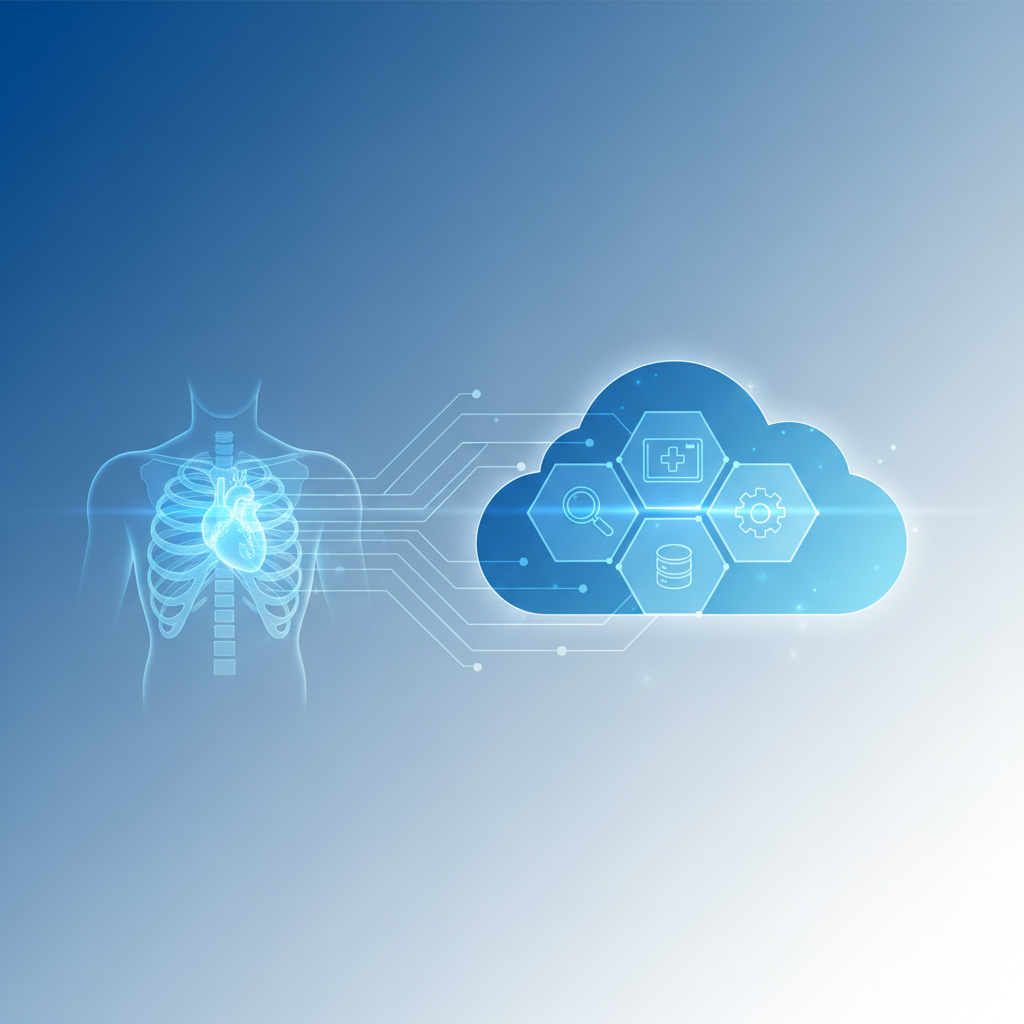
Understanding DICOM Integration in Modern Radiology
DICOM integration, short for Digital Imaging and Communications in Medicine integration, is the foundational standard for handling, storing, printing, and transmitting information in medical imaging. Developed by NEMA (National Electrical Manufacturers Association), DICOM ensures interoperability between imaging modalities (e.g., MRI, CT, X-ray), Picture Archiving and Communication Systems (PACS), and other healthcare IT systems like Electronic Health Records (EHRs) and Radiology Information Systems (RIS).
For any modern medical facility, robust diagnostic imaging services rely heavily on effective DICOM integration. Without it, the seamless flow of crucial patient data becomes fragmented, leading to inefficiencies, increased errors, and ultimately, compromised patient care. This standard allows different devices from various manufacturers to communicate effectively, ensuring that imaging data is accurately captured, securely transmitted, and readily accessible to authorized personnel, including radiologists and referring physicians.
The Paramount Importance of DICOM Integration
At its core, DICOM integration is more than just a technical standard; it's an enabler of efficiency and precision in healthcare. It provides a universal language for medical images and associated data, which is critical in an environment where disparate systems are commonplace. Think of it as the common language that allows a CT scanner from one vendor to send an image to a PACS system from another, which can then be viewed on a workstation from a third. This interoperability is vital for:
- Streamlined Workflows: Eliminating manual data entry and transfer, reducing human error.
- Enhanced Patient Safety: Ensuring correct patient data is consistently linked to the right images.
- Improved Diagnostics: Faster access to images leads to quicker clinical documentation and diagnoses.
- Scalability: Allowing healthcare providers to upgrade or add new equipment without disrupting existing systems.
Key Benefits of Robust DICOM Integration
Implementing effective DICOM integration offers a multitude of advantages for healthcare organizations, from improving operational efficiency to enhancing clinical outcomes.
1. Streamlined Workflow and Operational Efficiency
One of the most significant benefits of strong DICOM integration is the optimization of radiology workflows. Manual handling of image data, such as burning CDs or printing films, is eliminated. Instead, images are automatically sent from the modality to the PACS, then distributed to appropriate workstations for clinical documentation. This automation accelerates the entire imaging process, impacting every stage from image acquisition to reporting.
- Reduced Manual Effort: Automation minimizes manual intervention, freeing up technical staff.
- Faster Image Access: Radiologists can access studies almost instantaneously from any connected workstation.
- Improved Turnaround Times: Quicker image availability contributes to faster image access and reporting, critical for essential emergency radiology services.
2. Enhanced Data Management and Accessibility
Proper DICOM integration ensures that all medical images and associated patient information are stored in a standardized, easily retrievable format. This facilitates efficient long-term archiving and immediate access when needed.
- Centralized Archiving: Images are stored in a PACS, creating a single source of truth.
- Secure Data Transfer: DICOM includes robust security features to protect patient data during transmission.
- Remote Access: imaging operations can securely access studies from anywhere, which is vital for human radiology services and veterinary radiology services alike, especially for radiology workflow support performed off-site.
3. Significant Radiology Cost Reduction
By streamlining operations and improving efficiency, DICOM integration plays a crucial role in radiology cost reduction. Eliminating physical films, reducing administrative overhead, and optimizing radiology staffing solutions contribute to substantial savings.
- Reduced Film Costs: Moving to digital imaging eliminates the need for expensive film and processing chemicals.
- Optimized Staffing: Automated workflows can reduce the need for administrative staff involved in manual image handling.
- Improved Asset Utilization: Better workflow management means imaging equipment can be used more efficiently.
4. Improved Patient Care and Outcomes
Ultimately, all the technical and operational benefits converge to improve the quality of patient care. Faster diagnoses, access to comprehensive patient histories, and reduced errors lead to better treatment plans and outcomes.
- Quicker Diagnoses: Expedited image availability and clinical documentation mean patients receive diagnoses and treatment plans sooner.
- Reduced Medical Errors: Standardized data exchange minimizes misidentification and lost images.
- Enhanced Collaboration: Easy sharing of images between specialists facilitates multidisciplinary care discussions, which is key for enhancing patient care through radiology quality assurance.
Challenges in Achieving Seamless DICOM Integration
Despite its critical importance, achieving comprehensive DICOM integration can present several challenges for healthcare providers.
1. Interoperability Issues with Legacy Systems
Many hospitals and clinics operate with a mix of newer and older modalities or IT systems. Integrating these disparate systems, especially legacy hardware that may not fully comply with the latest DICOM standards, can be complex.
2. Data Migration and Standardization
Migrating vast amounts of historical imaging data into a new integrated system can be a daunting task. Ensuring data integrity, consistency, and proper indexing during migration is crucial to avoid data loss or corruption.
3. Security and Compliance Concerns
Medical images often contain protected health information (PHI). Maintaining robust cybersecurity measures and ensuring compliance with regulations like HIPAA (Health Insurance Portability and Accountability Act) during data transfer and storage is paramount. Any breach can have severe consequences.
4. Cost of Implementation and Maintenance
The initial investment in DICOM-compliant hardware, software, and the expertise required for integration can be substantial. Furthermore, ongoing maintenance, updates, and training for staff represent continuous operational costs.
Best Practices for Successful DICOM Integration
To overcome the challenges and maximize the benefits of DICOM integration, healthcare organizations should adhere to proven best practices.
1. Comprehensive Planning and Assessment
- Current State Analysis: Thoroughly assess existing modalities, PACS, RIS, and EHR systems. Identify potential bottlenecks and non-DICOM compliant devices.
- Future Needs Assessment: Plan for scalability and future technology advancements, including considerations for imaging operations platforms and artificial intelligence applications.
2. Phased Implementation Strategy
Rather than a single, massive overhaul, consider a phased approach. Implement DICOM integration for one department or modality at a time, allowing for adjustments and lessons learned before wider deployment.
3. Prioritize Vendor Compatibility and Support
When acquiring new equipment or software, prioritize vendors known for their robust DICOM conformance and excellent technical support. Ensure clear Service Level Agreements (SLAs) are in place.
4. Robust Network Infrastructure
A reliable, high-speed network is fundamental for efficient DICOM image transfer. Invest in network upgrades, optimize bandwidth, and ensure redundancy to prevent disruptions.
5. Data Security and Backup Protocols
Implement comprehensive data encryption, access controls, and regular backup strategies. Develop a disaster recovery plan to protect against data loss and ensure business continuity.
6. Staff Training and Education
Proper training for radiologists, technologists, and IT staff is crucial. Users must understand how to operate the integrated system effectively and troubleshoot common issues. Continuous education ensures adaptation to new features and best practices.
7. Regular Auditing and Performance Monitoring
Continuously monitor the integrated system's performance, DICOM compliance, and security posture. Regular audits help identify potential issues, optimize workflows, and maintain compliance standards. Utilize tools like a radiology workflow manager to monitor system health and efficiency.
The Future of DICOM Integration
The landscape of medical imaging is constantly evolving, and so too is the role of DICOM integration. Several trends are shaping its future.
1. Cloud-Based PACS and VNA Solutions
The shift towards cloud-based Picture Archiving and Communication Systems (PACS) and Vendor Neutral Archives (VNAs) is gaining momentum. Cloud solutions offer scalability, cost-effectiveness, and enhanced accessibility, further relying on robust DICOM integration for seamless data transfer to and from the cloud.
2. AI and Machine Learning Integration
Artificial intelligence (AI) and machine learning (ML) are transforming radiology. DICOM integration will be critical for feeding vast datasets to AI algorithms for analysis (e.g., automated lesion detection, quantitative measurements) and for integrating AI-generated insights back into the clinical workflow. This is key for advancing optimizing care through medical imaging outsourcing, where AI can assist remote radiologists.
3. Enhanced Security Features
As cyber threats evolve, future DICOM standards and integrations will likely incorporate even more sophisticated security features, including advanced encryption, blockchain technology for data integrity verification, and robust authentication protocols.
4. Interoperability with Other "OMICS" Data
Beyond traditional imaging, there's a growing need to integrate DICOM data with genomics, proteomics, and other 'omics' data to provide a more holistic view of patient health for personalized medicine. This expanded scope will push the boundaries of current integration capabilities.
Key Takeaways
DICOM integration is not merely a technical necessity but a strategic imperative for any modern radiology practice. It underpins efficiency, data management, cost savings, and ultimately, superior patient care. While challenges exist, adherence to best practices and a forward-looking approach to technological advancements can ensure robust and effective integration.
By investing in proper DICOM integration, healthcare providers can:
- Eliminate workflow bottlenecks.
- Ensure timely and accurate diagnoses.
- Achieve significant radiology cost reduction.
- Support comprehensive radiology workflow support, including specialized needs like veterinary imaging operations and critical human radiology services.
- Improve overall patient outcomes.
For organizations seeking to optimize their radiology operations and financial performance, understanding and mastering DICOM integration is key. This includes leveraging expert radiology billing services and ensuring efficient revenue cycle management supported by seamless data flow. For bespoke solutions enhancing your imaging workflow from front-end patient scheduling to back-end billing, consider exploring comprehensive services that integrate seamlessly with your existing infrastructure. This is where a dedicated partner can assist in implementing cutting-edge radiology staffing solutions and technology integrations.
Frequently Asked Questions
1. What is DICOM integration?
DICOM integration refers to the process of connecting different medical imaging devices and information systems using the Digital Imaging and Communications in Medicine (DICOM) standard. This allows for seamless transfer, storage, and retrieval of medical images and related patient data across various healthcare IT platforms.
2. Why is DICOM integration important for radiology practices?
DICOM integration is crucial for radiology practices because it ensures interoperability between imaging modalities, PACS, RIS, and EHRs. This streamlines workflows, improves data accessibility, reduces errors, enhances patient safety, and enables efficient radiology workflow support, contributing to better patient management.
3. How does DICOM integration support radiology cost reduction?
DICOM integration contributes to radiology cost reduction by eliminating the need for physical films, reducing administrative overhead through automated workflows, and optimizing staffing by making image access faster and more efficient across the practice, including for revenue cycle management.
4. What are the main benefits of DICOM integration for patient care?
Benefits for patient care include quicker diagnoses due to faster image access, reduced medical errors through standardized data, and improved collaboration among healthcare professionals. This leads to more accurate treatment plans and overall better patient outcomes, especially important for radiology quality assurance.
5. Can DICOM integration improve radiology staffing solutions?
Yes, effective DICOM integration can significantly improve radiology staffing solutions by optimizing workflows and reducing the manual burden on staff. This allows radiologists and technologists to focus more on patient care and clinical documentation, potentially reducing the need for additional administrative personnel.
6. What challenges are associated with DICOM integration?
Common challenges include interoperability issues with legacy systems, complexities in data migration and standardization, ensuring robust security and HIPAA compliance, and the initial costs of implementation and ongoing maintenance.
7. How does DICOM integration affect imaging operations services?
DICOM integration is fundamental to imaging operations, enabling robust, secure, and rapid transmission of images from acquisition sites to remote radiologists for clinical documentation. This is vital for human radiology services and veterinary imaging operations, ensuring timely access to expert opinions regardless of location.
8. Is DICOM integration compatible with veterinary imaging operations?
Absolutely. DICOM is a universal standard for medical imaging, making it fully compatible and essential for efficient veterinary imaging operations. It enables veterinarians to securely share imaging studies with remote veterinary radiology specialists for expert clinical documentation.
9. What is the role of a radiology workflow manager in DICOM integration?
A radiology workflow manager plays a critical role in optimizing and overseeing the entire imaging process, including ensuring seamless DICOM integration. It helps monitor data flow, identify bottlenecks, and maintain efficiency from image acquisition to reporting.
10. How does DICOM integration impact revenue cycle management in radiology?
By streamlining data flow and ensuring accurate image and report linking, DICOM integration indirectly supports revenue cycle management. It helps ensure that all billable services are properly documented and processed, reducing claim denials and improving financial solvency.
11. What are best practices for successful DICOM integration?
Best practices include comprehensive planning, a phased implementation strategy, prioritizing vendor compatibility, investing in robust network infrastructure, implementing strong data security, conducting thorough staff training, and regular auditing and performance monitoring.
12. Can DICOM integration improve the speed of radiology workflow support?
Yes, by ensuring immediate access to images from any connected workstation and automating the transfer process, DICOM integration significantly reduces the time from image acquisition to clinical documentation, thereby improving the speed and efficiency of radiology workflow support.
13. What is the difference between DICOM and PACS?
DICOM is the standard (language) for medical images and their associated data. PACS (Picture Archiving and Communication System) is the system or software that uses the DICOM standard to store, retrieve, distribute, and present medical images. DICOM enables PACS to function effectively.
14. How does DICOM integration support AI in radiology?
DICOM integration is crucial for AI in radiology as it provides the standardized format needed to feed imaging data to AI algorithms for analysis. It also facilitates the integration of AI-generated insights and reports back into the clinical workflow, enhancing diagnostic capabilities.
15. What security measures are involved in DICOM integration?
Security measures include data encryption during transmission and storage, access controls to ensure only authorized personnel view patient data, and robust authentication protocols to prevent unauthorized access, all while adhering to regulations like HIPAA.
16. Does DICOM integration work with all types of imaging modalities?
Yes, DICOM is designed to work with all major medical imaging modalities, including X-ray, CT, MRI, ultrasound, nuclear medicine, and more. It provides a common framework for all these devices to communicate effectively.
17. What role does network infrastructure play in DICOM integration?
A robust, high-speed network infrastructure is absolutely critical. DICOM files can be very large, and an efficient network ensures rapid and reliable transfer of these images between modalities, PACS, and workstations, preventing delays and bottlenecks.
18. How can small practices benefit from DICOM integration?
Small practices can benefit from DICOM integration by gaining access to efficient workflows, reducing reliance on manual processes, and improving their ability to share images with specialists or imaging operations, thereby extending their service offerings and reducing operational costs.
19. What should be considered when choosing a DICOM integration solution?
Key considerations include vendor reputation and support, scalability of the solution, compatibility with existing systems, security features, ease of use for staff, and long-term cost of ownership, including maintenance and upgrades. Look for solutions that complement comprehensive diagnostic imaging services.
20. How does DICOM integration contribute to an optimized radiology practice?
DICOM integration is central to an optimized radiology practice by enabling seamless information flow, standardizing data, enhancing decision-making, and facilitating remote access for radiology workflow support. This minimizes errors, enhances efficiency, and provides tangible radiology cost reduction.
