DICOM Integration: A Practical Guide for Radiology Practice
Unlock efficiency with seamless DICOM integration. Learn the benefits, challenges, and best practices for optimizing your radiology practice. Improve patient care and reduce costs.
Understanding DICOM Integration in Modern Radiology
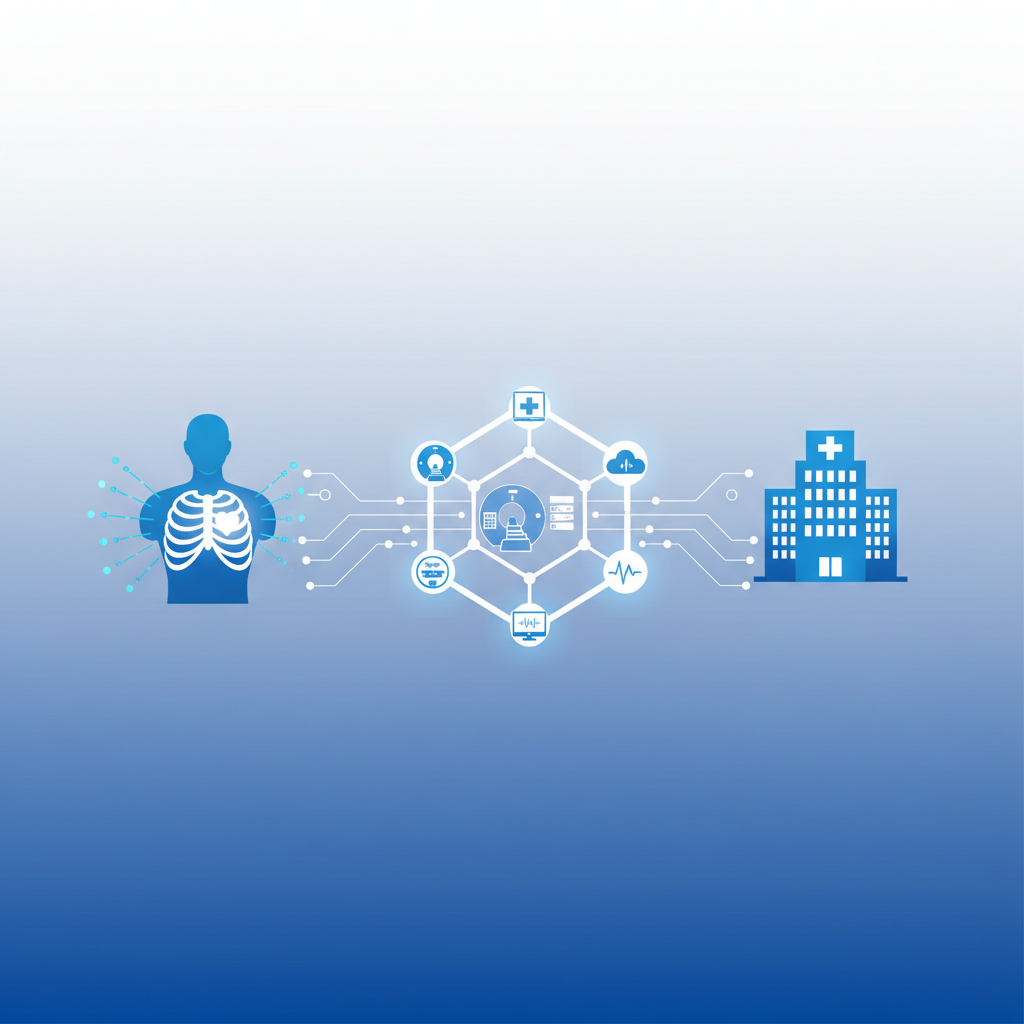
DICOM integration, short for Digital Imaging and Communications in Medicine integration, is the cornerstone of efficient and effective medical imaging workflows. At its core, DICOM is a global standard for handling, storing, printing, and transmitting information in medical imaging. It defines the format for medical images and how they are exchanged, ensuring interoperability between diverse medical imaging devices and information systems. For healthcare facilities, particularly those with human radiology services and even specialized veterinary imaging operations practices, robust DICOM integration is not just a convenience; it's a necessity for delivering high-quality patient care.
The ability to seamlessly share medical images—from X-rays and CT scans to MRIs and ultrasounds—across different modalities, departments, and even disparate healthcare systems is fundamental. This interoperability provided by DICOM integration underpins everything from accurate diagnoses to efficient treatment planning and comprehensive patient record management. Without it, healthcare providers would face significant hurdles in accessing critical patient data, leading to delays, errors, and an increase in operational costs.
The Indispensable Benefits of Robust DICOM Integration
Implementing effective DICOM integration offers a multitude of advantages that profoundly impact healthcare operations, patient outcomes, and financial health. These benefits extend from individual clinics to large hospital networks, highlighting the value of streamlined image management.
Improved Workflow Efficiency and Speed
- Faster Image Access: Radiologists and clinicians gain immediate access to high-quality images, regardless of where they were acquired. This eliminates manual transfers, courier services, and waiting times, significantly speeding up diagnosis and treatment initiation.
- Streamlined Processes: Automated image routing and archiving reduce the administrative burden on staff. This allows healthcare professionals to focus more on patient care rather than managing data. This is particularly crucial for emergency radiology services where time is of the essence.
- Enhanced Collaboration: Seamless sharing facilitates inter-departmental and inter-specialty consultations, fostering a collaborative environment that leads to more accurate diagnoses and comprehensive treatment plans.
Enhanced Data Quality and Accuracy
- Reduced Manual Errors: Automated data transfer minimizes the risk of human error associated with manual data entry or manipulation, ensuring image integrity and patient data accuracy.
- Consistent Image Quality: DICOM standards ensure that images retain their diagnostic quality across different systems, preventing data degradation during transfers.
- Comprehensive Patient Records: All imaging data is consistently linked to patient records, creating a complete and accurate medical history which is vital for long-term care and follow-up.
Significant Cost Savings and Resource Optimization
- Reduced Operating Expenses: By moving away from physical film and manual processes, organizations realize substantial radiology cost reduction in materials, storage, and labor. This includes decreasing the need for film archiving, printing, and associated personnel.
- Optimized Staffing: Automated workflows can alleviate the strain on existing radiology workflow support and staff, potentially reducing the need for additional radiology staffing solutions by maximizing the efficiency of current personnel. This is a critical factor for healthcare administrators looking to optimize budgets.
- Lower IT Overhead: While initial setup costs exist, a well-integrated system can simplify IT management over time by standardizing protocols and reducing the need for custom interfaces between disparate systems.
Improved Patient Care and Safety
- Faster Diagnosis: Quick access to images means quicker diagnoses and commencement of treatment, directly improving patient outcomes.
- Reduced Radiation Exposure: Better image management and sharing reduce the likelihood of repeat imaging procedures, thereby minimizing patient exposure to radiation.
- Enhanced Patient Experience: Streamlined processes mean less waiting time for patients and a more coherent, less frustrating experience within the healthcare system.
Challenges in Implementing DICOM Integration
While the benefits are clear, DICOM integration is not without its complexities. Organizations must navigate several challenges to achieve a truly seamless and effective system.
- Legacy Systems: Many older imaging modalities and PACS (Picture Archiving and Communication Systems) may not fully comply with the latest DICOM standards, requiring costly upgrades or specialized middleware for compatibility.
- Vendor Interoperability: Despite standardization, variations in vendor implementations can lead to interoperability issues. Ensuring that systems from different manufacturers can communicate flawlessly often requires careful planning and testing.
- Data Security and Privacy: Transmitting sensitive patient data requires robust security measures to comply with HIPAA and other privacy regulations. Any DICOM integration strategy must prioritize data encryption, access controls, and secure network protocols.
- Scalability: As imaging volumes grow, the integrated system must be able to scale efficiently without compromising performance or incurring excessive costs.
- Training and Adoption: Staff training is crucial for successful adoption. Healthcare professionals need to be comfortable using new systems and workflows to maximize the benefits of DICOM integration.
Solutions and Best Practices for Successful DICOM Integration
Overcoming the challenges requires a strategic approach, leveraging modern technologies and established best practices.
Modernizing Infrastructure
- Cloud-Based PACS/VNA: Shifting to cloud-based PACS (Picture Archiving and Communication Systems) or Vendor-Neutral Archives (VNAs) can provide greater flexibility, scalability, and accessibility, often with built-in DICOM compliance. This approach is instrumental in optimizing healthcare with medical imaging outsourcing.
- Middleware and Gateways: For legacy systems, specialized middleware or DICOM gateways can translate and normalize data, enabling communication with newer, compliant systems.
Ensuring Interoperability
- Thorough Vendor Assessment: When acquiring new imaging equipment or software, prioritize vendors with a proven track record of adherence to DICOM standards and open APIs.
- Standardized Integration Testing: Implement rigorous testing protocols to ensure seamless communication between all integrated systems before full deployment.
Prioritizing Data Security
- Encryption: All data in transit and at rest must be encrypted using industry-standard protocols.
- Access Control: Implement robust role-based access control (RBAC) to ensure only authorized personnel can view, manage, or transfer patient data.
- Regular Audits: Conduct frequent security audits and penetration testing to identify and address vulnerabilities.
Optimizing Radiology Workflow
A major component of successful DICOM integration is optimizing the overall radiology workflow. This involves more than just image transfer; it encompasses scheduling, patient registration, image acquisition, reporting, and billing. Effective DICOM integration facilitates:
- Automated patient identity reconciliation.
- Seamless transfer of study requisitions from hospital information systems (HIS) or radiology information systems (RIS) to modalities.
- Efficient routing of images to diagnostic workstations, radiology workflow support, and referring physicians.
- Integrated reporting and results distribution.
For more insights into maintaining high standards, refer to Mastering Radiology Quality Assurance: A Comprehensive Guide.
DICOM Integration in Specialized Services: Veterinary and imaging operations
The principles of DICOM integration are universal across medical imaging, extending beyond human healthcare. In veterinary imaging operations, DICOM integration is equally critical for:
- Rapid Consultations: Veterinarians can quickly send images to remote specialists for expert clinical documentation, speeding up diagnosis for animal patients.
- Standardized Records: Ensures consistent digital records for animal patients, vital for tracking health over time and for referrals.
- Efficiency for Clinics: Enables smaller veterinary clinics to access advanced diagnostic expertise without investing in full-time specialized staff or complex on-site infrastructure, leading to significant radiology cost reduction.
Similarly, for conventional imaging operations providers, DICOM integration is the backbone of their operations. It allows images from various facilities to be securely transmitted to a central hub for clinical documentation by radiologists, irrespective of their physical location. This model greatly supports flexibility in radiology staffing solutions, allowing practices to leverage a broader pool of talent and provide 24/7 coverage without geographical constraints.
Future Trends in DICOM Integration
The landscape of medical imaging is constantly evolving, with several trends poised to further enhance DICOM integration:
Artificial Intelligence (AI) and Machine Learning (ML)
AI algorithms are increasingly used to assist in image analysis, anomaly detection, and workflow optimization. DICOM integration will be crucial for seamlessly feeding imaging data to AI platforms and integrating their outputs back into the diagnostic workflow. This includes automating measurements, flagging critical findings, and prioritizing studies.
Blockchain for Enhanced Security and Interoperability
Blockchain technology offers promising solutions for securing patient data and enhancing interoperability across disparate healthcare networks. Its decentralized and immutable ledger can provide an auditable trail of image transfers and access, further strengthening the trustworthiness of DICOM integrated systems.
FHIR Integration (Fast Healthcare Interoperability Resources)
While DICOM focuses on images, FHIR is emerging as a standard for general healthcare data exchange. Future DICOM integration efforts will increasingly incorporate FHIR to link imaging data more comprehensively with clinical data, lab results, and electronic health records (EHRs), offering a holistic view of the patient. Learn more about comprehensive diagnostic imaging services at Comprehensive Guide to Diagnostic Imaging Services.
Key Takeaways: The Power of DICOM Integration
DICOM integration is more than just a technical requirement; it's a strategic imperative for any modern healthcare organization dealing with medical imaging. By enabling seamless, secure, and efficient image exchange, it:
- Significantly improves operational efficiency and radiologist productivity.
- Enhances diagnostic accuracy and ultimately, patient safety and care.
- Drives substantial radiology cost reduction and optimizes resource allocation.
- Supports flexible radiology staffing solutions and the growth of services like veterinary imaging operations.
Investing in robust DICOM integration is an investment in the future of healthcare delivery, ensuring that critical medical images are always available when and where they are needed most.
For practices seeking to optimize their revenue cycle management and billing associated with seamless image integration, explore our insights on Optimizing Your Practice with Expert Radiology Billing Services.
Discover how leading experts in radiology services can help you achieve seamless DICOM integration and optimize your practice's workflow. Contact RAD365 today to learn more.
Frequently Asked Questions
1. What is DICOM integration?
DICOM integration refers to the process of connecting various medical imaging devices and information systems using the Digital Imaging and Communications in Medicine (DICOM) standard. This standard facilitates the handling, storage, printing, and transmission of medical images and related patient information, ensuring interoperability across different healthcare platforms.
2. Why is DICOM integration important for radiology practices?
DICOM integration is crucial for radiology practices because it enables seamless transfer of medical images, reduces manual errors, improves diagnostic speed, and enhances collaboration among healthcare providers. This leads to better patient care, increased operational efficiency, and significant radiology cost reduction.
3. How does DICOM integration impact workflow efficiency?
DICOM integration significantly boosts workflow efficiency by allowing immediate access to images, automating routing and archiving processes, and streamlining communication between departments. This reduces administrative overhead, frees up staff time, and accelerates diagnosis and treatment.
4. Can DICOM integration help reduce radiology costs?
Yes, effective DICOM integration can lead to substantial radiology cost reduction. It minimizes the need for physical film and manual administrative tasks, optimizes radiology staffing solutions by increasing efficiency, and can lower IT overhead by standardizing data exchange protocols.
5. What are the common challenges in implementing DICOM integration?
Common challenges include dealing with legacy systems that may not be fully DICOM-compliant, ensuring interoperability between different vendor systems, maintaining stringent data security and privacy, and ensuring the integrated system can scale with growing imaging volumes.
6. How does DICOM integration support imaging operations services?
DICOM integration is fundamental to imaging operations as it enables the secure and efficient transmission of medical images from remote locations to image access radiologists, regardless of geographical distance. This facilitates rapid expert clinical documentation and supports flexible radiology staffing solutions.
7. Is DICOM integration relevant for veterinary imaging operations?
Absolutely. DICOM integration is just as critical for veterinary imaging operations. It allows veterinarians to quickly send animal imaging studies to remote specialists for expert clinical documentation, improving diagnostic speed and providing a standardized way to manage patient records in animal healthcare.
8. What role does DICOM play in healthcare data security?
While DICOM itself is a standard for image formatting and transfer, robust DICOM integration ensures data security by incorporating encryption, access controls, and secure network protocols during image transmission and storage. This protects sensitive patient information from unauthorized access.
9. What are some best practices for successful DICOM integration?
Best practices include modernizing infrastructure with cloud-based PACS/VNAs, thorough vendor assessment for DICOM compliance, implementing robust security measures like encryption, and providing comprehensive staff training for successful system adoption.
10. How does DICOM integration affect patient care and safety?
DICOM integration improves patient care by enabling faster diagnoses and timely treatment. It also enhances patient safety by reducing the likelihood of repeat imaging due to lost or inaccessible images, thereby minimizing radiation exposure, and ensuring accurate, complete patient records.
11. Can DICOM integration improve radiology staffing solutions?
Yes, by streamlining workflows and automating image management, DICOM integration increases the productivity of existing radiology staff. This can optimize the utilization of radiologists and technologists, indirectly offering more flexible and efficient radiology staffing solutions.
12. What is the difference between DICOM and PACS?
DICOM is the standard for handling, storing, and transmitting medical images. PACS (Picture Archiving and Communication System) is a system that uses the DICOM standard to store, retrieve, present, and communicate medical images. DICOM is the language, PACS is the system that speaks it.
13. How does DICOM integration handle images from different modalities?
DICOM is designed to be modality-agnostic. It provides a standardized format that allows images from various modalities (CT, MRI, X-ray, Ultrasound) to be stored and transmitted consistently, ensuring seamless integration and viewing across different platforms.
14. What future trends will impact DICOM integration?
Future trends include the integration of Artificial Intelligence (AI) and Machine Learning (ML) for automated image analysis, the use of blockchain for enhanced data security and interoperability, and increased integration with FHIR (Fast Healthcare Interoperability Resources) for a more holistic patient data view.
15. Is DICOM integration necessary for small clinics or only large hospitals?
DICOM integration is beneficial for healthcare facilities of all sizes. Even small clinics can gain significant advantages in efficiency, patient care, and access to specialized services like imaging operations, making it a critical investment for modern practices.
16. What is a Vendor-Neutral Archive (VNA) in relation to DICOM integration?
A VNA is a medical imaging archive that stores images in a standard format (like DICOM) with a standard interface, making them accessible from different PACS or EMR systems, regardless of the vendor. It enhances DICOM integration by preventing vendor lock-in and improving long-term data accessibility.
17. How does DICOM integration contribute to revenue cycle management?
By improving workflow efficiency and reducing manual errors, DICOM integration indirectly supports revenue cycle management. Faster diagnoses lead to quicker billing cycles, and accurate image and patient data ensure claims are processed correctly, reducing denials and administrative costs.
18. What should be considered when choosing a DICOM integration solution?
When choosing a solution, consider its compatibility with existing systems, scalability for future growth, robustness of security features, ease of use for staff, and the vendor's reputation for support and adherence to DICOM standards.
19. Can DICOM integration help with compliance regulations?
Yes, a well-implemented DICOM integration strategy helps with compliance by ensuring that patient data is handled, stored, and transmitted securely according to regulatory requirements like HIPAA, protecting patient privacy and maintaining data integrity.
20. How does DICOM integration support a comprehensive guide to diagnostic imaging services?
DICOM integration is foundational to a comprehensive diagnostic imaging service guide, as it ensures all aspects of image acquisition, storage, clinical documentation, and communication function seamlessly. This integration enables efficient delivery of diverse diagnostic imaging procedures, from initial scan to final report.
