DICOM Integration: Streamlining Radiology Workflows
Discover the power of DICOM integration for seamless radiology workflows, improved patient care, and significant cost savings. Learn best practices and solutions.
Understanding DICOM Integration in Modern Radiology
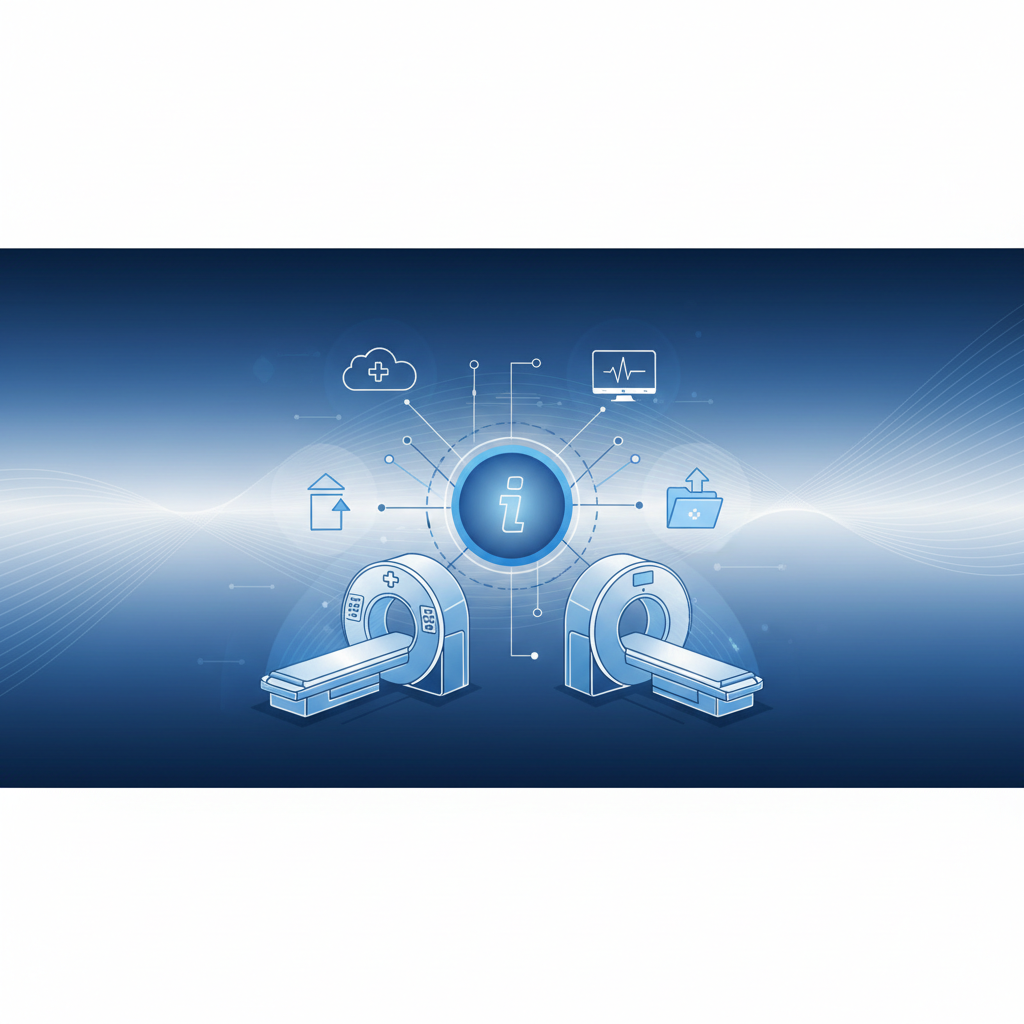
In the rapidly evolving landscape of medical imaging, DICOM integration stands as a cornerstone for efficient and interoperable healthcare systems. DICOM (Digital Imaging and Communications in Medicine) is the international standard for medical images and related information, defining the formats for medical images and the protocols for their communication. Fundamentally, DICOM integration refers to the process of seamlessly connecting various medical imaging devices, Picture Archiving and Communication Systems (PACS), Radiant Information Systems (RIS), and Electronic Health Records (EHR) systems to ensure the efficient flow of imaging data. This integration is vital for optimizing radiology workflow, improving diagnostic accuracy, and ultimately enhancing patient care across all medical specialties, from human radiology services to specialized fields like veterinary imaging operations.
By establishing a unified language for medical images, DICOM integration eliminates data silos, reduces manual errors, and accelerates the diagnostic process. It's not just about transferring images; it's about ensuring that all relevant patient data, from demographics to clinical history, accompanies the images, providing a comprehensive view for the manage radiologist. This principle is fundamental to achieving high standards in enhancing quality in radiology.
Benefits of Robust DICOM Integration for Healthcare Facilities
Implementing effective DICOM integration yields a multitude of advantages for healthcare facilities, impacting operational efficiency, patient outcomes, and financial health.
Improved Efficiency and Workflow Streamlining
- Accelerated Image Access: Radiologists can instantly access studies from any connected workstation, regardless of where the image was acquired. This is particularly beneficial for radiology workflow support, allowing for faster turnaround times.
- Reduced Manual Data Entry: Automated transfer of patient and study information minimizes the need for manual input, thereby decreasing human error and saving valuable staff time.
- Optimized Resource Utilization: Seamless data flow allows for better scheduling and allocation of imaging equipment and personnel, improving overall productivity.
Enhanced Data Accuracy and Patient Safety
- Consistent Patient Information: DICOM ensures that patient identifiers and clinical data remain consistent across all integrated systems, preventing misidentification and improving diagnostic correctness.
- Comprehensive Patient Records: All imaging studies are linked to the patient's EHR, providing a complete medical history for clinicians and facilitating better treatment decisions.
- Error Reduction: Automating data transfer drastically reduces the chance of transcription errors, a critical factor in patient safety.
Significant Radiology Cost Reduction
One of the most compelling benefits of robust DICOM integration is its ability to drive substantial cost savings for healthcare organizations. By streamlining processes and reducing inefficiencies, facilities can realize savings in several areas:
- Lower Administrative Costs: Reduced manual tasks and paperwork lead to decreased administrative overhead.
- Optimized Staffing: More efficient workflows mean that existing staff can handle more cases, potentially reducing the need for additional radiology staffing solutions.
- Reduced Rework: Fewer errors in data entry and image handling mean less need for repeat studies, saving on equipment, contrast agents, and staff time.
- Improved Billing and Reimbursement: Accurate and timely data ensures smoother radiology billing services and fewer denials, directly impacting the revenue cycle management.
Facilitating imaging operations and Remote Work
DICOM integration is indispensable for the proliferation and effectiveness of imaging operations services. It enables radiologists to securely access and manage studies from remote locations, ensuring timely diagnoses, especially for emergency radiology services and after-hours coverage. This capability is equally critical in areas like veterinary imaging operations, where specialists often operate across vast geographical distances.
Key Challenges in Achieving Seamless DICOM Integration
While the benefits are clear, implementing and maintaining seamless DICOM integration can present several challenges for healthcare providers.
Interoperability Complexities
Despite DICOM being a standard, variations in implementations by different vendors can lead to interoperability issues. Legacy systems, in particular, may lack the necessary features for modern integration protocols, requiring significant customization or upgrades.
Data Security and Compliance
Handling sensitive patient data necessitates stringent security measures. DICOM integration must adhere to strict regulatory compliance, such as HIPAA, to protect patient privacy. Ensuring secure transmission and storage across various systems is a continuous challenge.
Scalability and Performance
As imaging volumes grow, integrated systems must be able to scale without compromising performance. Large file sizes of medical images demand robust network infrastructure and storage solutions to avoid bottlenecks and delays.
Cost of Implementation and Maintenance
The initial investment in hardware, software, and IT expertise for comprehensive DICOM integration can be substantial. Ongoing maintenance, upgrades, and support also contribute to the total cost of ownership. However, these costs are often offset by significant long-term radiology cost reduction.
Strategies for Successful DICOM Integration
Overcoming these challenges requires a strategic approach and careful planning.
Thorough Planning and Assessment
Before any implementation, conduct a detailed assessment of existing infrastructure, imaging modalities, and workflow requirements. Define clear objectives and success metrics for your DICOM integration project.
Vendor Selection and Partnerships
Choose vendors who prioritize open standards and offer robust integration capabilities. Partnering with experienced IT and radiology solution providers can be invaluable. Look for providers that offer comprehensive medical imaging outsourcing solutions, as they often have extensive experience with integration.
Phased Implementation
Instead of a 'big bang' approach, consider a phased rollout of your DICOM integration. Start with critical systems or departments, troubleshoot, and then expand to other areas. This minimizes disruption and allows for iterative improvements.
Robust Security Protocols
Implement end-to-end encryption for data in transit and at rest. Utilize strong access controls, audit trails, and regular security assessments to protect sensitive patient information. Compliance with regulatory standards should be a non-negotiable priority.
Continuous Monitoring and Optimization
DICOM integration is not a one-time project. Continuous monitoring of system performance, regular software updates, and ongoing staff training are essential to maintain efficiency and address emerging issues. Regularly review your radiology workflow to identify areas for further optimization.
The Future of DICOM: AI and Cloud Integration
The future of DICOM integration is poised for profound transformation with the advent of artificial intelligence (AI) and widespread cloud adoption.
AI-Powered Analytics and Diagnostics
AI algorithms are increasingly being integrated into the radiology workflow to assist with image clinical documentation, identify anomalies, and reduce diagnostic errors. DICOM's structured data format makes it an ideal foundation for feeding these AI systems, leading to more accurate and faster diagnoses. This will further enhance the quality and efficiency of radiology workflow support.
Cloud-Based DICOM Archiving and Access
Moving DICOM archives to secure cloud platforms offers significant advantages, including enhanced scalability, disaster recovery, and cost-effectiveness. Cloud-based solutions facilitate easier sharing of studies, which is critical for multi-site institutions and collaborative human radiology services, as well as for specialized fields like veterinary imaging operations.
Interoperability Standards Evolution
While DICOM remains the foundational standard, ongoing efforts are exploring richer integration possibilities with other healthcare data standards, such as FHIR (Fast Healthcare Interoperability Resources). This convergence aims to create a truly holistic patient record that combines imaging data with clinical, genomic, and other health information.
Key Takeaways
DICOM integration is more than just a technical necessity; it's a strategic imperative for modern healthcare facilities. It underpins efficient radiology workflows, improves data accuracy, and facilitates substantial radiology cost reduction. By understanding its benefits, addressing its challenges, and adopting forward-thinking strategies, healthcare providers can unlock the full potential of their imaging departments.
- DICOM integration is the backbone of seamless medical image communication.
- It significantly improves operational efficiency and patient safety.
- Strategic integration leads to notable radiology staffing solutions and radiology cost reduction.
- Challenges include interoperability, security, and initial investment.
- Future trends involve AI and cloud computing enhancing DICOM's capabilities, benefiting even niche areas like veterinary imaging operations.
Investing in robust DICOM integration is an investment in the future of patient care and the financial health of your organization. For expert assistance in navigating the complexities of radiology IT and optimizing your imaging services, consider partnering with experienced providers.
Frequently Asked Questions
1. What specifically is DICOM integration?
DICOM integration is the process of connecting various medical imaging devices (MRI, CT, X-ray), PACS, RIS, and EHR systems using the DICOM standard. It ensures that medical images and associated patient data can be seamlessly exchanged and viewed across different platforms within a healthcare IT ecosystem.
2. Why is DICOM integration important for radiology departments?
DICOM integration is crucial for radiology departments because it streamlines workflows, reduces manual errors, enhances diagnostic accuracy, and enables efficient sharing of imaging studies. This leads to faster diagnoses, better patient care, and significant operational efficiencies.
3. How does DICOM integration contribute to radiology cost reduction?
By automating data transfer, minimizing manual tasks, reducing rework due to errors, and optimizing resource allocation, DICOM integration directly contributes to radiology cost reduction. It also improves billing accuracy, leading to fewer claims denials and better revenue cycle management.
4. Can DICOM integration facilitate imaging operations services?
Absolutely. DICOM integration is foundational for imaging operations, enabling radiologists to securely access, view, and manage medical images remotely. This is essential for providing timely diagnoses, particularly for emergency cases and specialized services like veterinary imaging operations.
5. What are the main challenges in implementing DICOM integration?
Key challenges include ensuring interoperability between diverse vendor systems, maintaining stringent data security and compliance with regulations like HIPAA, managing large volumes of image data, and handling the initial costs of implementation and ongoing maintenance.
6. Does DICOM integration improve patient safety?
Yes, it significantly improves patient safety by ensuring consistent and accurate patient information across all systems, reducing the risk of misidentification, and providing a comprehensive patient record for clinicians to make informed decisions.
7. What role does AI play in the future of DICOM integration?
AI will increasingly leverage DICOM-structured data for advanced image analysis, automated detection of anomalies, and predictive diagnostics. This integration will enhance diagnostic accuracy, reduce radiologist workload, and accelerate the diagnostic process.
8. How does DICOM integration impact radiology workflow?
It profoundly impacts radiology workflow by automating key processes, allowing for faster image acquisition, clinical documentation, and reporting. This leads to more efficient use of equipment and staff, improving overall departmental productivity.
9. Is DICOM integration necessary for veterinary imaging operations?
Yes, DICOM integration is absolutely necessary for veterinary imaging operations. It enables veterinary radiologists to receive, manage, and report on animal imaging studies from remote locations, facilitating specialized diagnoses across different clinics and regions.
10. What security measures are required for DICOM integration?
Required security measures include end-to-end encryption for data in transit and at rest, strong access controls, regular security audits, and continuous adherence to data privacy regulations like HIPAA to protect sensitive patient information.
11. How does DICOM integrate with Electronic Health Records (EHR) systems?
DICOM integrates with EHR systems by linking medical images and their associated reports directly to the patient's electronic health record. This provides clinicians with a holistic view of the patient's condition, combining imaging data with clinical history and other medical information.
12. What is the typical timeline for implementing comprehensive DICOM integration?
The timeline varies significantly based on the size and complexity of the healthcare facility, the number of systems to integrate, and the integration method. It can range from a few weeks for basic connections to several months for a comprehensive, phased rollout across an enterprise.
13. Can legacy imaging equipment be integrated using DICOM?
Integrating legacy equipment can be challenging but is often possible. It may require specific interface engines, middleware, or upgrades to ensure compatibility with modern DICOM standards and network protocols.
14. What is the difference between DICOM and PACS?
DICOM is the standard for handling, storing, printing, and transmitting medical imaging information. PACS (Picture Archiving and Communication System) is a system that utilizes the DICOM standard to store, retrieve, present, and transmit images from various modalities, acting as the centralized hub for imaging data.
15. How does DICOM integration affect radiology staffing solutions?
By improving efficiency and automating tasks, DICOM integration can optimize the workload for existing staff. This might reduce the immediate need for additional radiology staffing, allowing facilities to grow without proportionally increasing personnel, or reallocate staff to more complex tasks.
16. What role do open standards play in successful DICOM integration?
Open standards are crucial because they promote interoperability and reduce vendor lock-in. Adhering to open standards ensures that systems from different manufacturers can communicate effectively, facilitating smoother integration and long-term flexibility for healthcare organizations.
17. How does cloud-based DICOM archiving benefit healthcare providers?
Cloud-based DICOM archiving offers enhanced scalability, robust disaster recovery capabilities, and often reduced IT infrastructure costs. It also facilitates easier access and sharing of studies, which is critical for multi-site organizations and remote consultation.
18. Is custom development often required for DICOM integration?
While DICOM is a standard, custom development or configuration is often required to address unique workflow needs, integrate with proprietary systems, or resolve specific interoperability issues arising from varied vendor implementations of the standard.
19. What are the common pitfalls to avoid during DICOM integration?
Common pitfalls include inadequate planning and assessment, underestimating security and compliance requirements, neglecting staff training, choosing vendors with poor interoperability, and failing to account for scalability and future growth.
20. How can small radiology practices benefit from DICOM integration?
Small practices can benefit immensely from DICOM integration by gaining access to efficient digital workflows, securing patient data, and easily sharing studies for remote clinical documentation. This allows them to offer competitive services, improve patient care, and achieve radiology cost reduction often associated with larger facilities.
