DICOM Integration: Streamlining Radiology Workflows
Discover how robust DICOM integration optimizes radiology workflows, improves patient care, and reduces costs. Learn best practices for seamless medical imaging data management.
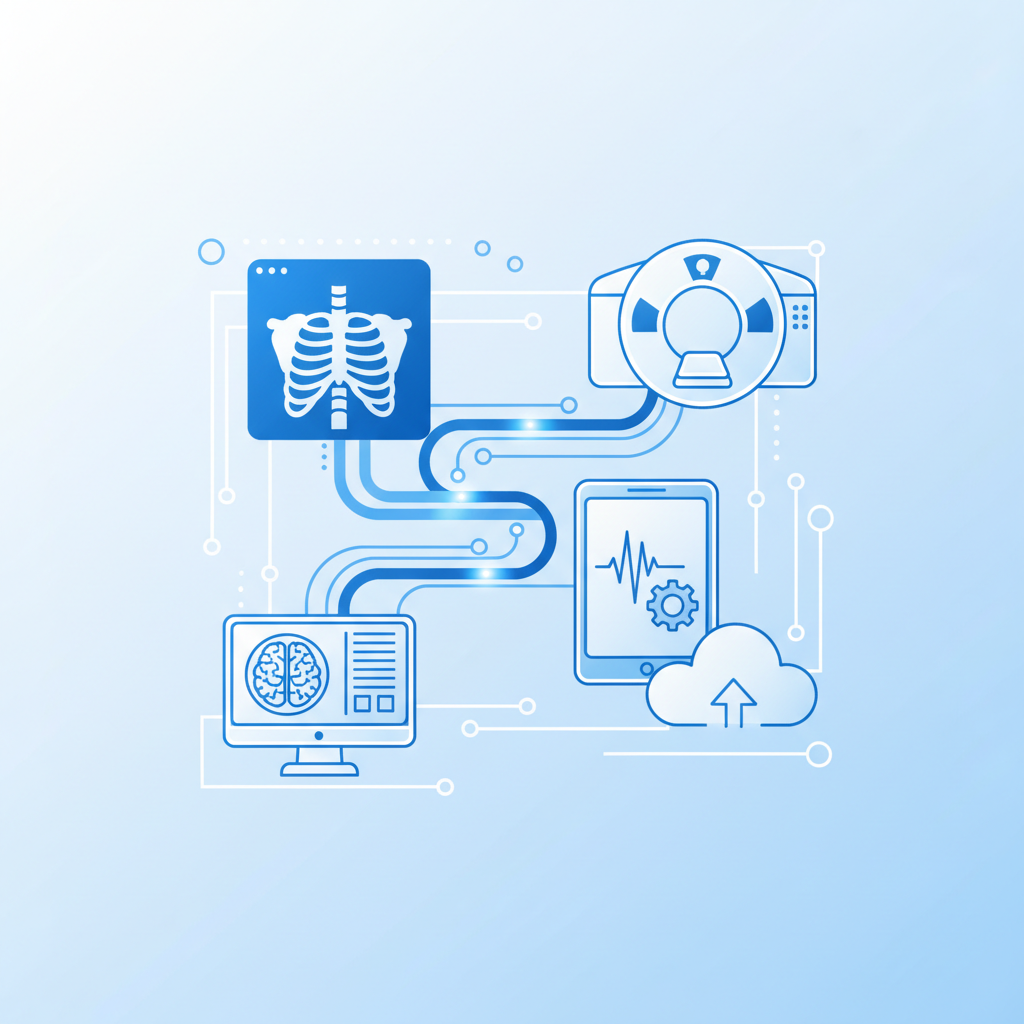
Understanding DICOM Integration: A Foundation for Modern Radiology
In the rapidly evolving landscape of healthcare, efficient management and sharing of medical imaging data are paramount. At the heart of this efficiency lies DICOM integration, a critical component for any modern radiology department or imaging operations service. DICOM, or Digital Imaging and Communications in Medicine, is the international standard for transmitting, storing, printing, and sharing medical imaging information. It defines the format for medical images and their associated data, ensuring interoperability between diverse medical imaging devices and systems.
True DICOM integration goes beyond mere file transfer; it involves creating a unified ecosystem where imaging modalities (MRI, CT, X-ray, ultrasound), Picture Archiving and Communication Systems (PACS), Radiant Information Systems (RIS), Electronic Health Records (EHR), and imaging operations platforms can communicate seamlessly. This interoperability is fundamental for improving diagnostic accuracy, accelerating reporting times, and ultimately enhancing patient care. For comprehensive insights into diagnostic imaging, explore our Comprehensive Guide to Modern Diagnostic Imaging Services.
What is DICOM and Why is it Essential?
DICOM is more than just an image format; it's a comprehensive protocol suite that includes:
- File Format: A standard way to store medical images and their associated patient data, metadata, and pixel information.
- Network Protocol: Defines how devices communicate and exchange DICOM objects over a network.
- Information Model: Structures how medical imaging information is presented and organized.
Without robust DICOM integration, healthcare providers would face significant challenges in sharing studies, collaborating with specialists, and maintaining accurate patient records. It's the backbone for efficient radiology workflow management across all specialties, including Human Radiology Services and specialized Veterinary Radiology Services.
The Transformative Benefits of Seamless DICOM Integration
Implementing effective DICOM integration yields a multitude of advantages for healthcare facilities, imaging operations providers, and ultimately, patients.
Improved Efficiency and Workflow Optimization
Seamless DICOM integration eliminates manual processes and reduces the time spent on data entry and image transfer. Radiologists can access studies instantly, regardless of their physical location, which is particularly beneficial for Radiology workflow support. This streamlining leads to faster diagnoses and treatment plans, a critical factor in settings like emergency care. To understand more about optimizing emergency services, read our blog on Optimizing Emergency Radiology Services for Acute Care.
- Automated Data Transfer: Images and patient information move automatically between modalities, PACS, and RIS.
- Reduced Manual Errors: Minimizes the risk of transcription or data entry mistakes.
- Faster Turnaround Times: Quick access to images accelerates diagnosis and reporting.
Enhanced Data Accuracy and Patient Safety
By standardizing data exchange, DICOM integration ensures that patient information is consistently associated with the correct images. This reduces the likelihood of misidentification and improves the continuity of care. Accurate data is foundational for quality assurance in radiology. Learn more about maintaining high standards in Ensuring Excellence: A Guide to Radiology Quality Assurance.
Significant Radiology Cost Reduction
One of the most tangible benefits of strategic DICOM integration is radiology cost reduction. By automating processes, facilities can reduce administrative overhead and improve resource utilization. It minimizes the need for physical film storage, reduces printing costs, and optimizes staffing needs through efficient workflow management. This is also a key aspect when considering Optimizing Medical Imaging Outsourcing.
"The robust implementation of DICOM standards can lead to a 20-30% reduction in operational costs for imaging departments by minimizing manual intervention and improving data accessibility." - Healthcare IT News Study, 2023.
Improved Access for imaging operations and Remote Consultations
DICOM integration is indispensable for imaging operations. It enables secure and rapid transmission of imaging studies from acquisition sites to remote radiologists, facilitating expert clinical documentation regardless of geographic location. This capability is vital for specialized services like veterinary imaging operations, where access to board-certified specialists might be limited locally. It also empowers flexible radiology staffing solutions, allowing facilities to leverage a wider pool of talent.
Key Challenges in Achieving Optimal DICOM Integration
Despite its undeniable benefits, implementing and maintaining seamless DICOM integration can present several challenges for healthcare organizations.
Interoperability with Legacy Systems
Many healthcare facilities operate with a mix of older and newer imaging equipment and IT systems. Integrating modern DICOM standards with legacy systems that may not fully comply can be complex and require significant customization or middleware solutions.
Data Security and Compliance
Transmitting sensitive patient data, especially across networks for imaging operations, demands stringent security measures. Ensuring compliance with regulations like HIPAA (in the U.S.) or GDPR (in Europe) while maintaining efficient DICOM integration is a continuous challenge that requires robust encryption, access controls, and regular audits.
Scalability and Performance
As imaging volumes grow, the integrated system must be able to handle increasing data loads without performance degradation. Ensuring scalability requires careful planning, robust infrastructure, and continuous monitoring.
Cost of Implementation and Maintenance
Investing in new infrastructure, software, and IT personnel for complex DICOM integration can be substantial. Ongoing maintenance, upgrades, and support also contribute to the total cost of ownership. However, these upfront costs are often outweighed by long-term radiology cost reduction and efficiency gains.
Solutions and Best Practices for Effective DICOM Integration
Overcoming the challenges of DICOM integration requires a strategic approach, leveraging modern technologies and proven best practices.
Leveraging Vendor-Neutral Archives (VNAs)
VNAs offer a centralized, vendor-agnostic repository for all imaging data, making DICOM integration with various systems much smoother. They reduce vendor lock-in and simplify data migrations, enhancing the long-term utility of your imaging archive.
Cloud-Based PACS and imaging operations Platforms
Cloud solutions offer inherent scalability, high availability, and often superior security features compared to on-premise solutions. They facilitate seamless sharing of studies for remote clinical documentation and Radiology workflow support, making veterinary imaging operations and human radiology equally accessible.
Robust Security Protocols and Compliance Audits
Implementing end-to-end encryption, multi-factor authentication, and regular security audits is non-negotiable. Partnering with vendors that prioritize cybersecurity and can demonstrate compliance with relevant regulations is crucial for secure DICOM integration.
Standardization and Workflow Automation
Establishing standardized workflows, often supported by RIS and PACS, reduces variability and improves efficiency. Automation built into the DICOM integration process can handle routine tasks, freeing up staff for more critical work and contributing to radiology cost reduction.
For more detailed information on managing financial aspects, consider optimizing Revenue Cycle Management and Optimizing Radiology Billing Services for Success.
The Future of Medical Imaging: AI and Enhanced DICOM Integration
The landscape of medical imaging continues to evolve, with artificial intelligence (AI) playing an increasingly significant role. Future DICOM integration will not only focus on seamless data exchange but also on integrating AI algorithms directly into the imaging workflow.
AI-Powered Diagnostics and Reporting
AI can analyze imaging studies, identify abnormalities, and even assist in generating reports. Integrating these AI tools directly with DICOM-compliant PACS and RIS systems will further enhance diagnostic speed and accuracy, providing valuable support for Radiology workflow support.
Advanced Imaging Data Analytics
Future DICOM integration will enable more sophisticated data analytics, helping institutions understand imaging trends, optimize equipment utilization, and predict maintenance needs, further contributing to radiology cost reduction.
Personalized Medicine
By integrating imaging data with genetic and clinical information via advanced DICOM structures, future systems will support more personalized diagnostic and treatment approaches. This will be critical for both Human Radiology Services and advancing care in specialized fields like veterinary imaging operations.
Key Takeaways: The Imperative of DICOM Integration
In today's healthcare environment, robust DICOM integration is not merely an advantage; it's a fundamental necessity. It underpins efficient radiology operations, enhances diagnostic accuracy, drives significant radiology cost reduction, and supports the growing demand for remote clinical documentation and radiology staffing solutions. By embracing best practices and leveraging advanced technologies, healthcare providers can build resilient and future-proof imaging ecosystems that prioritize patient care and operational excellence.
For expert assistance in optimizing your radiology services and achieving seamless DICOM integration, consider partnering with leading providers.
Frequently Asked Questions
1. What is DICOM integration and why is it important?
DICOM integration refers to the seamless connection and communication between various medical imaging devices and IT systems using the DICOM standard. It's crucial because it ensures interoperability, allowing for the accurate and efficient exchange of medical images and patient data across different platforms, thereby improving workflow, diagnosis, and patient care.
2. How does DICOM integration impact radiology workflow?
DICOM integration significantly streamlines radiology workflow by automating image acquisition, transfer, archiving, and retrieval. It reduces manual effort, speeds up access to studies for clinical documentation, and ensures data consistency across PACS, RIS, and EHR systems, leading to faster diagnosis and reporting.
3. Can DICOM integration help with radiology cost reduction?
Yes, effective DICOM integration contributes to radiology cost reduction by minimizing the need for manual data handling, reducing administrative overhead, eliminating physical film, and optimizing resource utilization. It also enhances efficiency, allowing for higher patient throughput without increasing staffing proportionally.
4. What are the main challenges of implementing DICOM integration?
Primary challenges include integrating with legacy systems, ensuring robust data security and compliance (e.g., HIPAA), managing scalability for growing data volumes, and the initial cost of implementation and ongoing maintenance of the integrated infrastructure.
5. How does DICOM integration support imaging operations services?
DICOM integration is essential for imaging operations by enabling the secure and rapid transmission of high-quality imaging studies from remote facilities to radiologists located anywhere. This allows for timely expert clinical documentation, extending access to skilled professionals and optimizing radiology staffing solutions.
6. What role does DICOM play in veterinary imaging operations?
Similar to human radiology, DICOM integration in veterinary imaging operations allows veterinary clinics and hospitals to transmit animal imaging studies securely to specialist remote veterinary radiologists. This provides access to expert opinions and diagnostic services that might not be available locally, enhancing animal care.
7. What are some best practices for successful DICOM integration?
Best practices include leveraging Vendor-Neutral Archives (VNAs), adopting cloud-based PACS solutions, implementing robust security protocols and compliance audits, standardizing workflows, and planning for scalability to accommodate future growth.
8. Is DICOM integration secure for patient data?
When implemented correctly with strong security measures, DICOM integration can be very secure. It requires encryption, access controls, auditing, and adherence to data protection regulations like HIPAA to ensure patient data confidentiality and integrity during transmission and storage.
9. How does DICOM integration affect image quality?
DICOM itself defines the standard for image data, preserving original image quality during transmission and storage. Proper integration ensures that image data is transferred without compression artifacts or data loss, maintaining diagnostic fidelity for radiologists.
10. What is the difference between DICOM and PACS?
DICOM is the universal standard for handling and transmitting medical images and related data. PACS (Picture Archiving and Communication System) is a software system that uses the DICOM standard to store, retrieve, present, and distribute images from various modalities, offering a practical application of DICOM principles.
11. Can DICOM integration facilitate radiology staffing solutions?
Absolutely. By enabling remote access to imaging studies and streamlined workflows, DICOM integration facilitates flexible radiology staffing solutions, including imaging operations. It allows healthcare facilities to leverage a wider pool of radiologists, optimizing coverage and improving turnaround times.
12. What is the average cost of implementing DICOM integration?
The cost of DICOM integration varies widely based on the complexity of the existing infrastructure, the number of modalities, the chosen PACS/RIS systems, and whether cloud or on-premise solutions are selected. It can range from thousands to hundreds of thousands of dollars, depending on the scale of the facility.
13. How often should DICOM integrated systems be updated or maintained?
Regular updates and maintenance are crucial. This includes software patches, security updates, and performance checks, ideally on a quarterly or semi-annual basis, or as recommended by specific vendor agreements. Regular audits ensure ongoing compliance and optimal functionality of your DICOM integration.
14. What kind of training is needed for staff on DICOM integration?
All staff who interact with the imaging workflow, including technologists, radiologists, and IT personnel, require training on the integrated system. This includes understanding the new workflow, how to access and manage studies, troubleshooting common issues, and adherence to security protocols related to DICOM integration.
15. How does DICOM integration support data analytics in radiology?
By standardizing and centralizing imaging data, DICOM integration provides a structured dataset amenable to advanced analytics. This allows institutions to track key performance indicators, identify trends in diagnoses, optimize equipment utilization, and gain insights for operational improvements.
16. Can DICOM integration improve patient experience?
Yes, by speeding up diagnostic processes and enabling quicker access to results, DICOM integration indirectly improves patient experience. Faster diagnoses lead to earlier treatment, reduced anxiety, and more efficient healthcare delivery overall.
17. What is a Vendor-Neutral Archive (VNA) in the context of DICOM integration?
A VNA is a medical imaging archive that stores images in a standard, open format (like DICOM) and allows for integration with various PACS and EMR systems from different vendors. It prevents vendor lock-in, simplifies data migration, and facilitates long-term data management for DICOM integration.
18. How DICOM integration facilitates compliance with regulatory standards?
DICOM integration inherently promotes compliance by standardizing data formats and transmission protocols. When coupled with proper access controls, audit trails, and encryption, it helps healthcare organizations meet regulatory requirements for data privacy, security, and interoperability.
19. Will DICOM integration be relevant with AI in radiology?
Absolutely. DICOM integration will be even more relevant as AI becomes integrated into radiology. AI algorithms require structured, standardized data to function effectively, and DICOM provides this foundation, enabling AI tools to analyze images and seamlessly integrate their findings into existing workflows.
20. What are the first steps for a facility looking to improve its DICOM integration?
The first steps include conducting a thorough assessment of existing infrastructure and systems, defining operational needs, researching potential vendors and solutions, and developing a strategic implementation plan that addresses data migration, security, training, and ongoing support. Prioritizing critical areas like radiology workflow optimization is key.
