Legacy PACS Migration: Planning and Execution
Learn how to plan and execute a legacy PACS migration while maintaining system support until cutover. Essential steps for imaging directors and IT leaders.
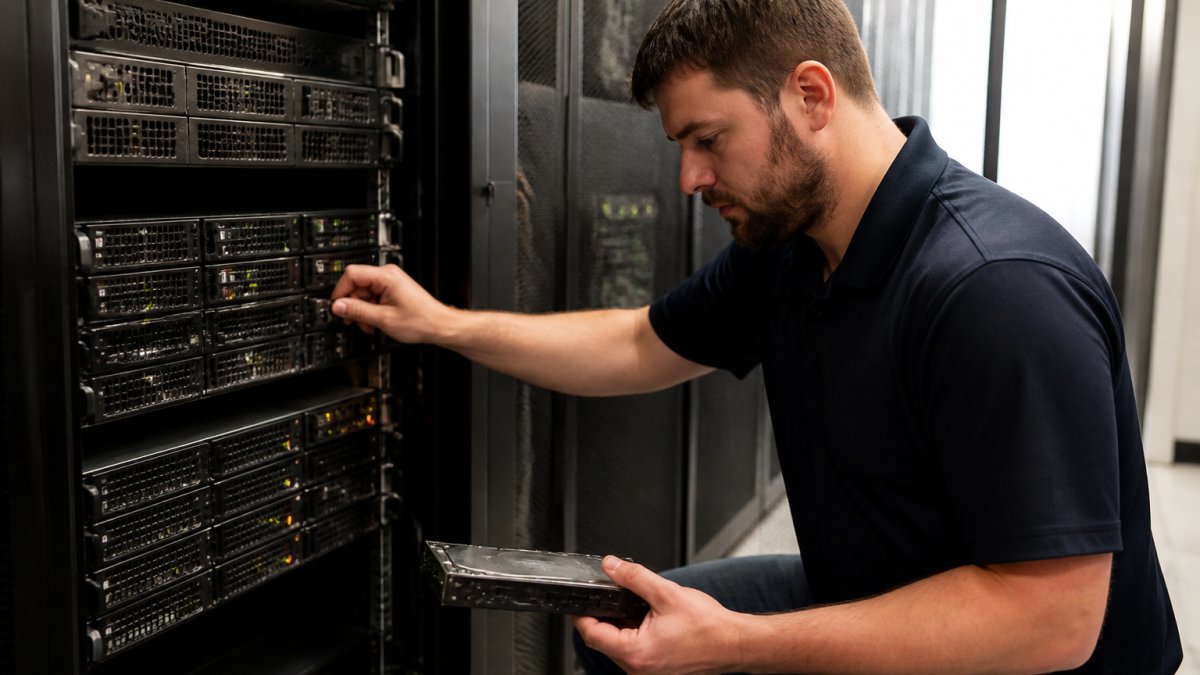
Table of Contents
- Understanding Legacy PACS Migration
- Building Your PACS Migration Checklist
- PACS Cutover Planning and Timeline
- Frequently Asked Questions
Last Updated: October 11, 2026
Understanding Legacy PACS Migration
A legacy PACS migration moves imaging data and operations from an aging picture archiving and communication system to a modern environment. For imaging directors and IT leaders, this transition addresses critical concerns: systems nearing end-of-life, rising maintenance costs, security vulnerabilities, and the need for better integration with current clinical workflows.
The decision to migrate often arrives when a vendor discontinues support, hardware fails repeatedly, or the system cannot scale with imaging volume. Legacy PACS systems frequently run on outdated infrastructure, creating operational bottlenecks and regulatory compliance risks. According to healthcare IT modernization trends from Gartner, organizations that delay infrastructure upgrades face compounding technical debt and higher unplanned downtime rates.
RAD365 provides PACS migration services as a physician-owned operations partner, managing data extraction, validation, and cutover coordination while keeping legacy systems operational until the new environment is validated.
Building Your PACS Migration Checklist
Document hardware specifications, database size, study volume, and integration points. Identify which historical studies require immediate access to inform prioritization.
Data extraction requires validation of DICOM metadata for completeness and accuracy. Test procedures on a subset of studies before processing the entire archive.
Integration testing verifies that the new system communicates properly with EHR systems, RIS platforms, and clinical workstations. HL7 interoperability standards from the Health Level Seven International organization define messaging protocols that ensure seamless data exchange. Confirm that worklist queries, report routing, and image delivery perform as expected under realistic load conditions.
Schedule training sessions with radiologists, technologists, and IT support staff before cutover, and designate a core support team for the first week of operation.
PACS Cutover Planning and Timeline
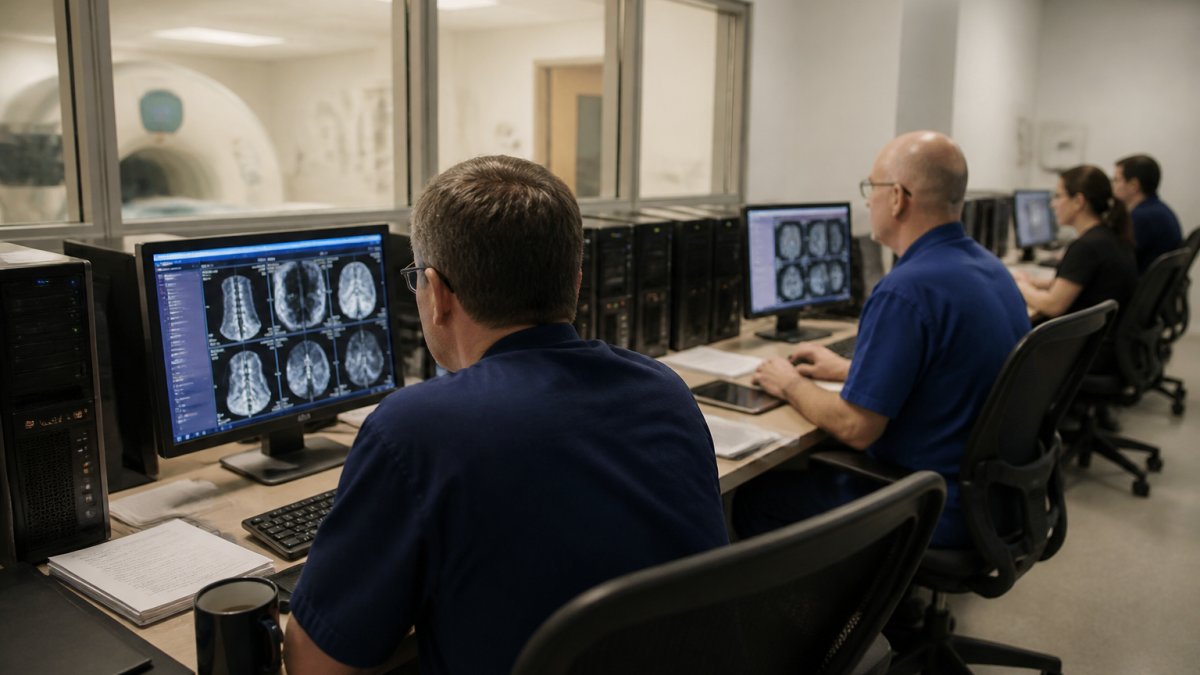
Parallel operation extends the transition timeline but reduces clinical risk. The legacy PACS remains fully operational while the new environment receives incoming studies. Once historical data is migrated and validated, clinicians switch to the new system. This method allows staff to become familiar with the new interface without losing access to prior imaging. healthcare system migration best practices from HIPAA guidance emphasize maintaining continuous access to patient records during transitions.
Schedule cutover during lower imaging volume and establish a rollback plan with documented decision points.
Maintain 24/7 monitoring during cutover and verify that all studies transferred successfully and clinicians can retrieve images within acceptable timeframes.
After cutover, decommission the legacy PACS once regulatory retention requirements are met.
RAD365 manages legacy PACS migration through data extraction, validation, cutover coordination, and post-migration support. For organizations with stretched IT resources, outsourced migration support reduces internal burden and mitigates technical risk. RAD365 also provides interim PACS support during transitions, ensuring continuity of care while the old system remains operational.
Legacy PACS migration requires careful planning to protect data integrity and clinical access. RAD365 brings physician-owned operations expertise to manage migrations for hospitals, imaging centers, and radiology groups. Learn how outsourced PACS support can reduce operational risk during your transition.
Frequently Asked Questions
What should a legacy PACS migration checklist include?
A comprehensive legacy PACS migration checklist covers data inventory and extraction, metadata validation, archive testing, user access verification, downtime planning, and rollback procedures. Include hardware assessment, storage capacity confirmation, network readiness, staff training schedules, and communication protocols with clinical users. Validate DICOM image integrity before and after transfer. Document all historical data locations and ensure long-term retention policies are in place before cutover.
How do you keep a legacy PACS supported during migration?
Maintain full operational support of your legacy PACS throughout the migration process by retaining your current support team or engaging an interim support partner. This parallel operation approach allows clinical users to continue accessing the legacy system without interruption while the new archive is being populated and tested. The legacy system remains the source of truth until cutover validation is complete, reducing risk and allowing staff to work at normal pace without pressure.
How should imaging data be validated before PACS cutover?
Validate imaging data by comparing record counts, image counts, and DICOM metadata between the legacy system and the new archive. Run test queries on a sample of studies across different modalities and date ranges. Verify that patient identifiers, study dates, and image attributes match exactly. Check that historical data retrieval times meet clinical requirements. Perform a parallel run period where clinicians access both systems to confirm functionality before final cutover.
