Optimizing Radiology Workflow: A Comprehensive Guide
Discover best practices for optimizing radiology workflow. Improve efficiency, reduce errors, and enhance patient care with our expert guide. Learn more!
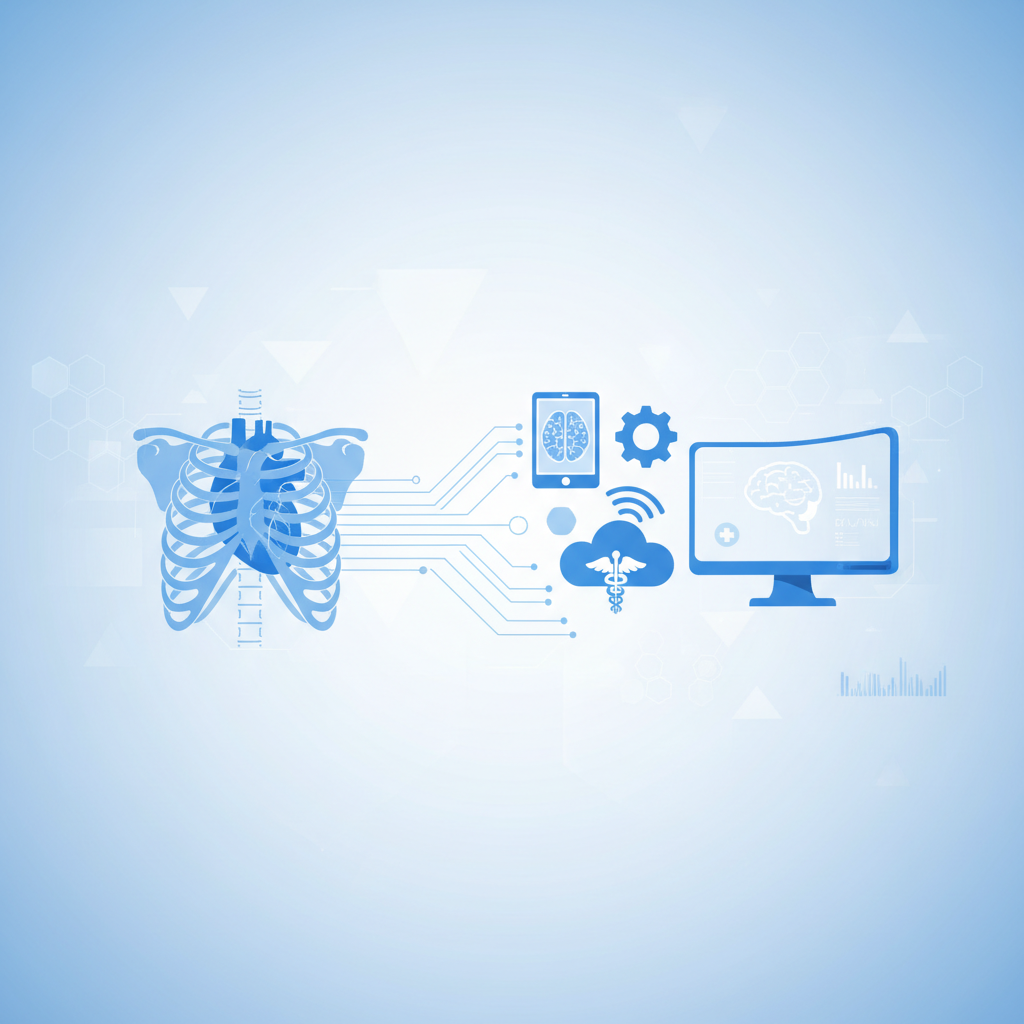
Understanding Radiology Workflow Optimization
Radiology workflow refers to the series of interconnected processes and tasks involved from the moment a patient is referred for an imaging study until the final diagnostic report is delivered to the referring physician. An optimized radiology workflow is fundamental to enhancing diagnostic accuracy, improving patient care, and increasing operational efficiency within healthcare facilities. In today's fast-paced medical environment, the ability to streamline these processes directly impacts patient outcomes and the financial health of radiology departments.
The journey of a radiology study is complex, involving multiple stakeholders and technologies. From appointment scheduling and patient registration to image acquisition, clinical documentation, and reporting, each step presents opportunities for either efficiency gains or bottlenecks. Understanding and refining each component of the radiology workflow is paramount for any healthcare provider aiming to deliver high-quality, cost-effective imaging services. This comprehensive guide will delve into the critical aspects of radiology workflow, offering insights for administrators, radiologists, and IT professionals.
Key Components of an Efficient Radiology Workflow
A highly efficient radiology workflow is built upon several interconnected pillars:
1. Patient Registration and Scheduling
- Seamless Intake: An optimized system minimizes wait times and automates data entry, reducing human error. Integration with Electronic Health Records (EHR) is crucial here.
- Appointment Management: Efficient scheduling algorithms can optimize modality usage, reduce no-shows, and improve patient flow.
2. Image Acquisition
- Protocol Standardization: Clear, standardized imaging protocols ensure consistent image quality and reduce the need for repeat scans.
- Technologist Efficiency: Investing in well-trained technologists and user-friendly equipment improves acquisition speed and accuracy.
3. Image Management and Archiving
- PACS (Picture Archiving and Communication System): A robust PACS is the backbone, allowing for efficient storage, retrieval, and viewing of images.
- Vendor-Neutral Archives (VNA): VNAs provide long-term, scalable storage and interoperability across different systems, future-proofing data management.
4. Image clinical documentation and Reporting
- Worklist Management: Intelligent worklist systems prioritize studies based on urgency, ensuring critical cases are read promptly.
- Dictation and Reporting Systems: Advanced voice recognition and structured reporting templates accelerate report generation and enhance consistency.
5. Report Distribution and Communication
- Automated Delivery: Secure, automated delivery of reports to referring physicians via integrated EHRs or portals.
- Critical Results Communication: A defined protocol for communicating urgent findings to avoid delays in patient care.
6. Revenue Cycle Management
- Accurate Coding and Billing: Efficient processes ensure proper reimbursement for services rendered. This is where a strong Revenue Cycle Management strategy becomes invaluable.
Challenges in Modern Radiology Workflow
Despite technological advancements, radiology departments face numerous hurdles in maintaining an optimal radiology workflow:
“The increasing volume and complexity of imaging studies, coupled with staffing shortages, place immense pressure on existing radiology workflows. Adapting to these challenges requires innovative solutions and a commitment to continuous process improvement.”
- Increasing Imaging Volume: The demand for diagnostic imaging continues to grow, straining resources and leading to potential backlogs.
- Data Overload: Managing vast amounts of image data and patient information securely and efficiently is a constant challenge.
- Interoperability Issues: Lack of seamless communication between disparate systems (EHRs, RIS, PACS) can create data silos and inefficiencies.
- Staffing Shortages: The radiologist shortage impacts clinical documentation speed and workload distribution. This often leads to overstretched staff and potential burnout.
- Cybersecurity Threats: Protecting sensitive patient data from cyberattacks requires continuous vigilance and investment.
- Reimbursement Pressures: Declining reimbursement rates necessitate greater efficiency and cost control without compromising quality.
Solutions for Enhancing Radiology Workflow Efficiency
Overcoming these challenges requires a multifaceted approach, leveraging technology, process re-engineering, and strategic partnerships. Several essential imaging center solutions can significantly improve your operations.
1. Advanced imaging operations Services
imaging operations plays a pivotal role in optimizing radiology workflow, especially for facilities facing radiologist shortages or needing after-hours coverage. Partnering with top imaging operations companies like those offering radiology workflow support ensures timely clinical documentation, often within minutes for critical studies, regardless of geographical location. This extends to specialized areas like veterinary radiology, where expert clinical documentation might otherwise be hard to access. Many human radiology services also benefit from these advanced solutions.
2. AI and Machine Learning Integration
AI can revolutionize the radiology workflow by:
- Prioritizing Studies: AI algorithms can identify critical findings and elevate studies in the worklist, ensuring urgent cases are addressed faster.
- Automating Measurements: Reducing manual effort for repetitive tasks like lesion measurement.
- Quality Control: Detecting potential errors or inconsistencies in image acquisition.
- Image Augmentation: Improving image quality and reducing noise, potentially allowing for lower radiation doses.
3. Workflow Management Platforms
Implementing a dedicated Radiology Workflow Manager can unify disparate systems, providing a centralized platform for tracking studies, managing worklists, and facilitating communication. These systems offer transparency and control over the entire imaging process.
4. Standardization and Protocol Optimization
Regular review and standardization of imaging protocols, reporting templates, and communication pathways can significantly reduce variability and improve consistency across the department. This leads to higher quality reports and fewer re-scans.
5. Continuous Staff Training and Development
Investing in ongoing education for radiologists, technologists, and support staff ensures they are proficient with new technologies and best practices, directly impacting the efficiency and quality of the radiology workflow.
Best Practices for a Streamlined Radiology Workflow
- Patient-Centric Design: Always consider the patient experience when designing or refining workflows. Minimize wait times, clearly communicate processes, and provide comfortable environments.
- Regular Performance Audits: Periodically assess key performance indicators (KPIs) like turnaround times, error rates, and patient satisfaction to identify areas for improvement.
- Foster Interdepartmental Collaboration: Encourage open communication between radiology, referring physicians, and other hospital departments to ensure smooth information flow and coordinated care.
- Leverage Cloud Solutions: Cloud-based PACS and VNA systems offer scalability, accessibility, and robust backup solutions, reducing infrastructure costs and improving data resilience.
- Security First Approach: Implement strong cybersecurity measures, including encryption, access controls, and regular audits, to protect patient data and maintain compliance with regulations like HIPAA.
- Analyze and Reduce Redundancy: Identify and eliminate duplicate tasks or unnecessary steps in the radiology workflow to save time and resources.
The Future of Radiology Workflow
The landscape of medical imaging is constantly evolving, and so too must the radiology workflow. Future trends indicate an even greater reliance on technology and data-driven insights:
- Hyper-Automation: Expect more processes to be automated, from appointment booking to case coordination image analysis by AI.
- Precision Medicine Integration: Radiology workflow will increasingly integrate with genetic and molecular data to offer more personalized diagnostic and treatment pathways.
- Virtual and Augmented Reality: These technologies may enhance image clinical documentation and surgical planning, allowing for more immersive and collaborative reviews.
- Enhanced Telemedicine Integration: The growth of telemedicine will further drive the need for seamless remote image clinical documentation and consultation services, reinforcing the role of top imaging operations companies.
- Predictive Analytics: Using data to forecast equipment needs, staffing levels, and patient volumes to proactively optimize resources.
To stay competitive and provide exceptional patient care, radiology departments must embrace innovation and continuously adapt their workflows to leverage these emerging technologies. The goal remains consistent: to provide accurate, timely, and efficient diagnostic imaging services.
Key Takeaways
Optimizing radiology workflow is not a one-time project but an ongoing commitment to efficiency, quality, and patient care. By addressing challenges with strategic solutions, leveraging advanced technology like AI and imaging operations, and fostering a culture of continuous improvement, healthcare providers can transform their imaging services. A streamlined workflow leads to quicker diagnoses, better patient outcomes, reduced operational costs, and improved job satisfaction for radiology professionals.
Focusing on a robust radiology workflow support partner and an advanced Radiology Workflow Manager can significantly benefit your operations. For those looking to implement cutting-edge solutions for their human or veterinary radiology needs, a dedicated service provider can offer tailored strategies.
To explore how advanced solutions can revolutionize your radiology operations and optimize your workflow, consider connecting with a trusted partner like RAD365.
Frequently Asked Questions
1. What is radiology workflow?
Radiology workflow encompasses the entire sequence of steps in a radiology department, from patient registration and image acquisition to clinical documentation, reporting, and report distribution. Optimizing this workflow is key to efficient and high-quality diagnostic imaging services.
2. Why is an optimized radiology workflow important?
An optimized radiology workflow is critical for improving diagnostic accuracy, reducing turnaround times, enhancing patient safety and satisfaction, decreasing operational costs, and increasing revenue realization. It minimizes bottlenecks and maximizes resource utilization.
3. What are the common challenges in radiology workflow?
Common challenges include increasing imaging volumes, radiologist shortages, interoperability issues between systems (EHR, RIS, PACS), data management complexities, reimbursement pressures, and the need for efficient critical results communication.
4. How can imaging operations improve radiology workflow?
imaging operations significantly enhances radiology workflow by providing access to subspecialty expertise, enabling 24/7 coverage, reducing turnaround times for clinical documentation, and addressing staffing shortages. It allows facilities to outsource image image access and manage fluctuating demand.
5. What role does AI play in optimizing radiology workflow?
AI can optimize radiology workflow by automating tasks like image prioritization, measurements, and quality control. It assists radiologists by flagging critical findings, increasing efficiency, and potentially reducing diagnostic errors.
6. What are the benefits of a Radiology Workflow Manager?
A Radiology Workflow Manager centralizes and streamlines operations by integrating various systems, optimizing worklist distribution, tracking study progress, and facilitating communication. It provides transparency and control over the entire imaging process.
7. How does veterinary radiology workflow differ from human radiology?
While the core principles are similar, veterinary radiology often deals with different patient behaviors, anatomical variations across species, and unique equipment needs. The workflow is optimized for efficiency given the specific demands of animal care, frequently leaning on specialized veterinary radiology services.
8. What metrics should be used to measure radiology workflow efficiency?
Key metrics include turnaround times (TAT) for reports, patient wait times, modality utilization rates, radiologist productivity, error rates, patient satisfaction scores, and revenue cycle performance (e.g., denial rates).
9. How can facilities identify bottlenecks in their radiology workflow?
Bottlenecks can be identified through process mapping, direct observation, collecting feedback from staff, and analyzing data on turnaround times at each stage of the workflow. Software solutions that track study progress can also pinpoint delays.
10. What is the impact of EHR integration on radiology workflow?
EHR integration dramatically improves radiology workflow by enabling seamless sharing of patient demographics, medical history, and past imaging studies, reducing manual data entry, and facilitating automated report delivery to referring physicians.
11. How can a radiology department reduce costs through workflow optimization?
Workflow optimization reduces costs by improving efficiency, minimizing unnecessary repeat studies, better managing equipment lifespan, reducing overtime pay, optimizing staffing levels, and enhancing revenue capture through improved billing and coding processes.
12. What makes some top radiology companies stand out in workflow management?
Top radiology companies excel in workflow management through sophisticated IT infrastructure, highly skilled staff, adoption of advanced AI and imaging operations solutions, robust quality control programs, and a strong focus on continuous process improvement and innovation.
13. Can workflow optimization improve patient satisfaction?
Absolutely. Optimized workflow leads to shorter wait times, faster diagnostic reports, clearer communication, and a more organized experience, all of which contribute significantly to higher patient satisfaction.
14. What role do protocols play in an efficient radiology workflow?
Standardized protocols ensure consistent image acquisition and clinical documentation, reducing variability, improving diagnostic accuracy, and minimizing the need for repeat scans, thus making the overall radiology workflow more efficient.
15. How often should a radiology workflow be reviewed and updated?
Radiology workflow should be regularly reviewed, ideally on an annual basis or whenever new technologies are implemented, regulations change, or significant operational challenges arise. Continuous feedback loops are also beneficial.
16. What are the cybersecurity considerations for radiology workflow?
Cybersecurity is paramount due to sensitive patient data. Workflow must incorporate robust measures like encryption, secure data transmission, access controls, regular security audits, and staff training to prevent breaches and maintain compliance.
17. How do top imaging operations companies manage workflow for clients?
Top imaging operations companies utilize advanced Radiology Workflow Manager systems to seamlessly receive studies, manage radiologist worklists, ensure rapid turnaround times, and securely deliver reports back to the referring facility, often integrating with existing PACS/RIS systems.
18. What is the impact of radiologist shortage on radiology workflow?
A radiologist shortage can severely disrupt radiology workflow by increasing turnaround times, stressing existing staff, leading to burnout, and potentially delaying patient diagnoses. imaging operations is a primary solution to mitigate this impact.
19. How can structured reporting improve radiology workflow?
Structured reporting enhances radiology workflow by standardizing report content, ensuring all necessary information is included, improving clarity, and making reports easier for referring physicians to manage and integrate into patient records, ultimately saving time.
20. What is the connection between radiology workflow and revenue cycle management?
An optimized radiology workflow directly impacts revenue cycle management by ensuring accurate coding, timely billing, reduced claim denials, and improved reimbursement rates. Streamlined processes prevent costly errors and delays in payment, directly benefiting the department's financial health.
