Optimizing Radiology Workflow for Enhanced Patient Care
Discover best practices for optimizing radiology workflow, improving efficiency, and enhancing patient care. Learn about key components, challenges, and solutions for modern practices.
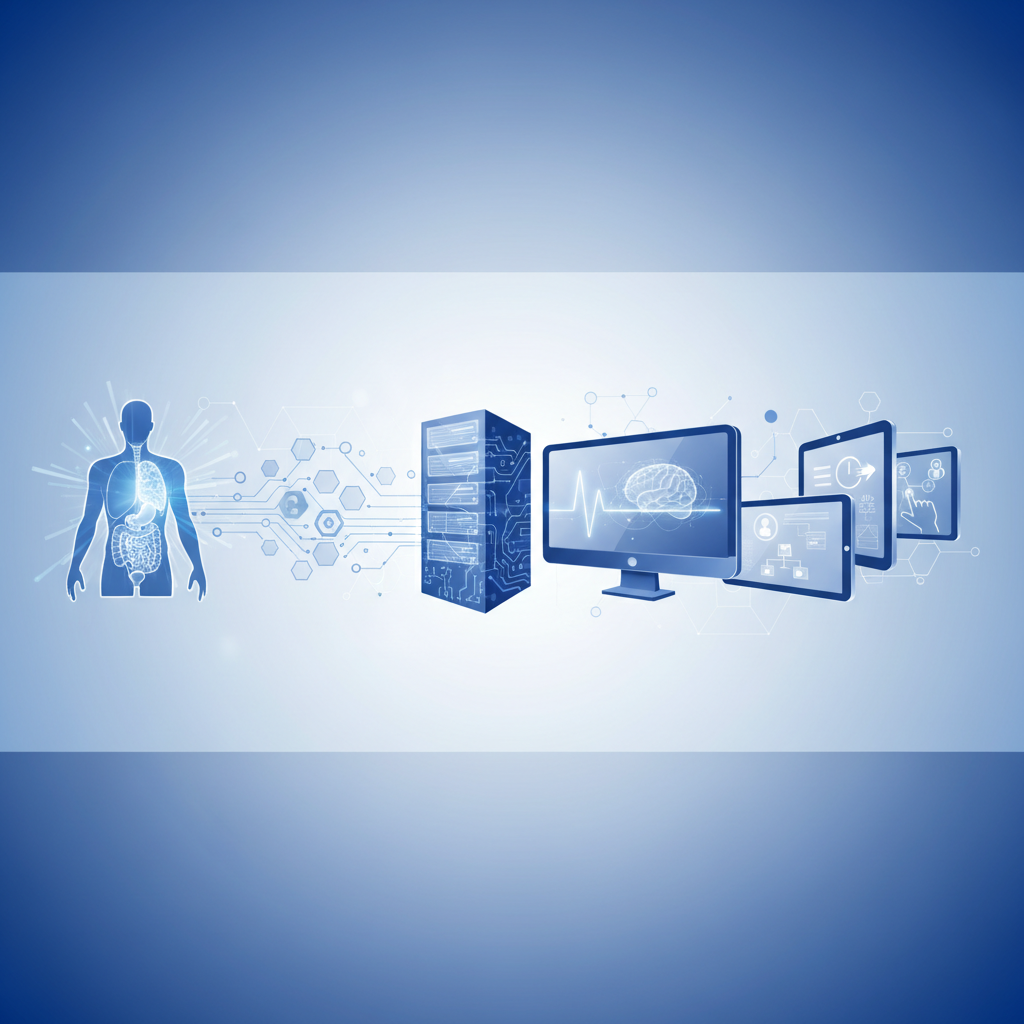
Understanding Radiology Workflow: A Comprehensive Overview
Radiology workflow encompasses the entire spectrum of processes involved from a clinician's request for an imaging study to the final diagnostic report being delivered and integrated into the patient's record. A well-optimized radiology workflow is the backbone of efficient, high-quality patient care in modern healthcare settings. It impacts everything from patient scheduling and image acquisition to clinical documentation, reporting, and billing. In an increasingly complex healthcare landscape, hospitals, imaging centers, and even veterinary radiology practices are constantly seeking ways to streamline these processes to improve outcomes, reduce costs, and enhance the overall patient experience.
The journey typically begins with a physician ordering an imaging exam, followed by patient registration, scheduling, and preparation. The technical phase involves image acquisition using various modalities like X-ray, CT, MRI, or ultrasound. Post-acquisition, images are processed, archived, and then routed to a radiologist for clinical documentation. The radiologist dictates a report, which is then transcribed, reviewed, and finalized. Finally, the report is communicated to the referring physician and stored in the patient’s electronic health record (EHR).
The Pillars of an Efficient Radiology Workflow
Optimizing radiology workflow relies on several critical components working in harmony:
- Digital Imaging Technologies: Picture Archiving and Communication Systems (PACS) and Radiology Information Systems (RIS) are fundamental. These systems digitize images and manage patient demographics, scheduling, and billing information, respectively. They are essential for a seamless radiology workflow support operation.
- Integration and Interoperability: Seamless communication between RIS, PACS, EHR, and other hospital information systems (HIS) is paramount. Gaps in integration can lead to delays, errors, and inefficiencies.
- Standardized Protocols: Consistent protocols for image acquisition, processing, and reporting ensure uniformity and quality across all studies.
- imaging operations Services: For many facilities, particularly those in rural areas or experiencing radiologist shortages, leveraging imaging operations solutions allows for around-the-clock coverage and access to subspecialty expertise, significantly impacting global radiology workflow.
- Quality Assurance: Regular audits, peer review, and adherence to accreditation standards ensure diagnostic accuracy and patient safety.
- Human Capital: The skill and efficiency of radiologists, radiologic technologists, and support staff are indispensable.
According to a report by IMARC Group, the global medical imaging market is projected to reach US$ 49.3 Billion by 2028, demonstrating the increasing reliance on advanced imaging and the critical need for efficient workflows to manage this volume.
Benefits of an Optimized Radiology Workflow
Implementing an efficient radiology workflow yields numerous advantages for patients, providers, and healthcare systems alike. Addressing challenges in optimizing hospital radiology services efficiency is a continuous process.
Enhanced Patient Care and Safety
- Faster Diagnosis and Treatment: Streamlined processes reduce turnaround times for reports, enabling quicker diagnosis and initiation of treatment. This is particularly vital in emergency situations.
- Reduced Errors: Automation and integration minimize manual data entry, thereby reducing the risk of human error in patient identification, study matching, and report generation.
- Improved Patient Experience: Shorter waiting times, better communication, and a more organized process contribute to higher patient satisfaction.
- Better Diagnostic Accuracy: Radiologists can focus more on clinical documentation and less on administrative tasks, leading to more accurate readings.
Operational Efficiency and Cost Savings
- Increased Throughput: Optimized workflows allow more studies to be processed per day with the same resources, boosting departmental capacity.
- Resource Optimization: Efficient scheduling and task allocation ensure that expensive imaging equipment and skilled personnel are utilized to their full potential, contributing to radiology cost reduction.
- Reduced Administrative Burden: Automation of routine tasks like scheduling, billing, and report distribution frees up staff for more critical duties.
- Improved Revenue Cycle Management: Faster report finalization and accurate coding contribute to quicker billing and reduced claim denials, directly impacting the financial health of the practice.
Improved Radiologist Satisfaction and Retention
A well-structured radiology workflow reduces burnout by minimizing administrative tasks and maximizing time spent on clinical work. This is a key factor in addressing the radiologist shortage and retaining talent.
Challenges in Modern Radiology Workflow Management
Despite the clear benefits, achieving an optimal radiology workflow is not without its hurdles. Modern imaging centers face evolving pressures that demand robust and flexible solutions, as highlighted in essential imaging center solutions for modern practices.
Growing Workload and Complexity
- Increasing Study Volume: The demand for imaging studies continues to rise, putting pressure on existing resources.
- Image Data Volume: Modern imaging modalities generate massive amounts of data, requiring substantial storage and network bandwidth.
- Subspecialization: The need for subspecialty expertise means images often need to be routed to specific radiologists, adding complexity to the workflow.
Technological Integration and Interoperability Issues
- Disparate Systems: Many healthcare facilities operate with a multitude of legacy systems that do not communicate effectively, creating silos of information.
- Data Security and Privacy: Protecting sensitive patient information while ensuring access for authorized personnel is a constant challenge, necessitating robust cybersecurity measures.
Staffing Shortages and Burnout
- Radiologist Shortage: A global shortage of radiologists, especially subspecialists, strains existing staff and impacts report turnaround times.
- Technologist Turnover: High demand for skilled radiologic technologists can lead to staffing gaps.
Financial Pressures and Reimbursement Changes
- Declining Reimbursements: Constant pressure on reimbursement rates forces departments to do more with less.
- Capital Expenditure for Technology: Investing in state-of-the-art imaging equipment and IT infrastructure requires significant financial outlay.
Solutions and Best Practices for Radiology Workflow Optimization
Addressing these challenges requires a multi-faceted approach, combining technology, process improvement, and strategic partnerships. When considering solutions, many clinics evaluate various options and often look at 'top radiology companies' or 'top imaging operations companies' for advanced technological and service offerings.
Leveraging Advanced Technologies
- AI and Machine Learning: AI can assist in image analysis, triage critical cases, automate measurements, and even help in drafting case coordination, significantly enhancing radiology workflow efficiency.
- Cloud-Based PACS/RIS: Cloud solutions offer scalability, reduce on-premise IT burden, and facilitate easier access for remote radiologists, vital for seamless human radiology services.
- Voice Recognition Software: Advanced speech recognition integrated with structured reporting templates can drastically cut down report turnaround times and improve accuracy.
- Worklist Prioritization Tools: Intelligent routing and prioritization algorithms ensure that urgent cases are handled first, optimizing radiologist workload.
Streamlining Processes and Protocols
- Standardized Reporting Templates: Using structured, standardized templates improves consistency, readability, and aids in data extraction for research and quality control. For more details, see Comprehensive Guide to Radiology workflow support.
- Lean Six Sigma Methodologies: Applying process improvement frameworks can identify bottlenecks and inefficiencies, leading to optimized workflows.
- Cross-Training Staff: Flexible staffing models where technologists are cross-trained in multiple modalities can improve scheduling efficiency and reduce downtime.
Strategic Partnerships
- imaging operations Services: Partnering with radiology workflow support, especially veterinary radiology imaging operations providers, can provide access to subspecialty case activity, night/weekend coverage, and alleviate staffing pressures. Many practices seek out 'top imaging operations companies' for these benefits.
- Managed Services: Outsourcing IT management or billing services can allow internal staff to focus on core clinical responsibilities.
The Future of Radiology Workflow: Trends to Watch
The landscape of radiology workflow is continually evolving, driven by technological advancements and shifting healthcare demands.
Increased Adoption of AI and Automation
AI will become more integral, not just as an assistive tool but potentially performing initial screenings, quantitative analysis, and even generating case coordination, reserving human radiologist expertise for complex cases and final review. This shift will fundamentally reshape the radiologist's role.
Greater Focus on Value-Based Care
Workflow optimization will increasingly align with value-based care models, emphasizing patient outcomes and cost-effectiveness. This means greater scrutiny on appropriateness of imaging and prevention of redundant studies.
Pervasive Interoperability
Efforts towards truly interoperable systems will intensify, allowing for seamless data exchange across different healthcare providers and geographies. This will create a more connected and efficient healthcare ecosystem.
Expansion of Home and Remote-Based Imaging
While still nascent, advancements in portable imaging devices and remote patient monitoring could lead to certain imaging studies being performed outside traditional clinical settings, further diversifying the radiology workflow.
Personalized Medicine Integration
Radiology data, combined with genetic and clinical information, will increasingly contribute to personalized treatment plans, requiring workflows that can handle and integrate diverse data sets.
Key Takeaways
An optimized radiology workflow is no longer just an advantage; it's a necessity for modern healthcare organizations. It is essential for ensuring high-quality, timely patient care, while simultaneously driving operational efficiencies and financial stability. By embracing advanced technologies, fostering strategic partnerships, and committing to continuous process improvement, radiology departments can overcome current challenges and prepare for the future of medical imaging. For those seeking to enhance their services, collaborating with leading providers and leveraging specialized solutions like comprehensive radiology workflow management systems can make a significant difference. Many facilities find that partnering with 'top radiology companies' can provide the expertise and technology needed to navigate these complexities.
To explore how advanced solutions can specifically optimize your radiology workflow and integrate seamlessly into your existing systems, consider experts in the field. RAD365 offers comprehensive services designed to streamline your operations and enhance patient outcomes.
Frequently Asked Questions
1. What is radiology workflow?
Radiology workflow refers to the entire sequence of steps involved in processing an imaging study, from physician order to final report delivery. It includes patient registration, scheduling, image acquisition, clinical documentation, and reporting, impacting efficiency and patient care.
2. Why is an optimized radiology workflow important?
An optimized radiology workflow improves patient care by enabling faster diagnoses, reduces errors, enhances operational efficiency, lowers costs, and increases radiologist satisfaction. It's crucial for managing growing imaging volumes and complex cases.
3. What are the common challenges in radiology workflow management?
Common challenges include increasing study volumes, managing vast image data, integrating disparate IT systems, staffing shortages (radiologists and technologists), and financial pressures from declining reimbursements.
4. How do PACS and RIS impact radiology workflow?
PACS (Picture Archiving and Communication Systems) store and transmit digital images, while RIS (Radiology Information Systems) manage patient data, scheduling, and billing. Together, they form the digital backbone that automates and streamlines nearly every step of the radiology workflow.
5. Can imaging operations improve radiology workflow?
Yes, imaging operations significantly enhances radiology workflow by providing 24/7 coverage, access to subspecialty expertise, and alleviating local staffing shortages, especially for night case activity and overflow, thereby improving report turnaround times.
6. What role does AI play in optimizing radiology workflow?
AI can analyze images for abnormalities, prioritize critical cases, automate measurements, and assist in report generation, speeding up diagnosis, reducing radiologist burden, and improving the overall efficiency of the radiology workflow.
7. How does an optimized radiology workflow benefit patient safety?
Optimized workflows reduce the potential for human error through automation, ensure proper patient and study matching, and facilitate quicker accurate diagnoses, all contributing to enhanced patient safety and better outcomes.
8. What are some best practices for improving radiology workflow?
Best practices include leveraging advanced technologies like AI and cloud PACS, standardizing reporting templates, ensuring robust system integration, and strategically using imaging operations services for comprehensive coverage.
9. How can an imaging center reduce costs through efficient radiology workflow?
Efficient workflow leads to increased throughput, better utilization of expensive equipment, reduced administrative overhead, and improved revenue cycle management, all contributing to significant cost reductions for imaging centers.
10. Is veterinary radiology workflow different from human radiology workflow?
While the core principles are similar (ordering, acquisition, clinical documentation, reporting), veterinary radiology workflow often involves specialized equipment for diverse animal sizes, different anatomical considerations, and specific regulatory requirements for animal health information, making it a unique field.
11. What is the impact of a slow radiology workflow on healthcare?
A slow radiology workflow can lead to delayed diagnoses, postponed treatments, increased patient anxiety, higher operational costs due to inefficiencies, and potentially adverse patient outcomes, especially in time-sensitive conditions.
12. How do 'top radiology companies' support workflow optimization?
Top radiology companies often provide cutting-edge technology, expert consulting, comprehensive imaging operations services, and advanced software solutions that are specifically designed to streamline and automate various aspects of the radiology workflow.
13. What is a Radiology Workflow Manager and its function?
A Radiology Workflow Manager is a software system or suite of tools designed to orchestrate and automate the various steps of the radiology process, ensuring smooth data flow, task prioritization, and efficient resource allocation to optimize the entire workflow.
14. How can integration issues affect radiology workflow?
Integration issues between RIS, PACS, and EHR systems lead to manual data entry, duplicate records, information silos, delays in image and report access, and increased risk of errors, severely hampering radiology workflow efficiency.
15. What trends are shaping the future of radiology workflow?
Major trends include the pervasive adoption of AI and automation, a greater focus on value-based care, enhanced interoperability between systems, the growth of remote and home-based imaging, and the integration of radiology into personalized medicine.
16. How does an optimized radiology workflow contribute to radiologist job satisfaction?
By automating administrative tasks, prioritizing cases intelligently, and reducing bottlenecks, an optimized radiology workflow allows radiologists to focus more on clinical clinical documentation, reducing burnout and increasing job satisfaction amidst high workload.
17. What security considerations are paramount in modern radiology workflow?
Data security and patient privacy are critical. Robust encryption, access controls, audit trails, and compliance with regulations like HIPAA are paramount to protect sensitive patient information throughout the entire radiology workflow, especially with remote access.
18. How can structured reporting improve radiology workflow?
Structured reporting standardizes the layout and content of radiology reports, making them more consistent, easier to read, and amenable to data mining. This reduces dictation time, improves communication, and streamlines the report finalization within the radiology workflow.
19. What is the role of quality assurance in radiology workflow?
Quality assurance (QA) ensures that every step of the radiology workflow, from image acquisition to clinical documentation and reporting, meets high standards of accuracy and safety. Regular audits and peer review are critical components of QA, leading to better diagnostic outcomes.
20. When should a facility consider partnering with 'top imaging operations companies' for workflow enhancement?
A facility should consider partnering with top imaging operations companies when facing staffing shortages, needing subspecialty coverage, requiring after-hours or weekend clinical documentation, aiming to reduce report turnaround times, or seeking to enhance overall radiology workflow efficiency and capacity.
