Optimizing Workflows with DICOM Integration Best Practices
Discover the power of DICOM integration in modern radiology. Learn best practices for seamless image exchange and enhanced patient care. Improve efficiency today!
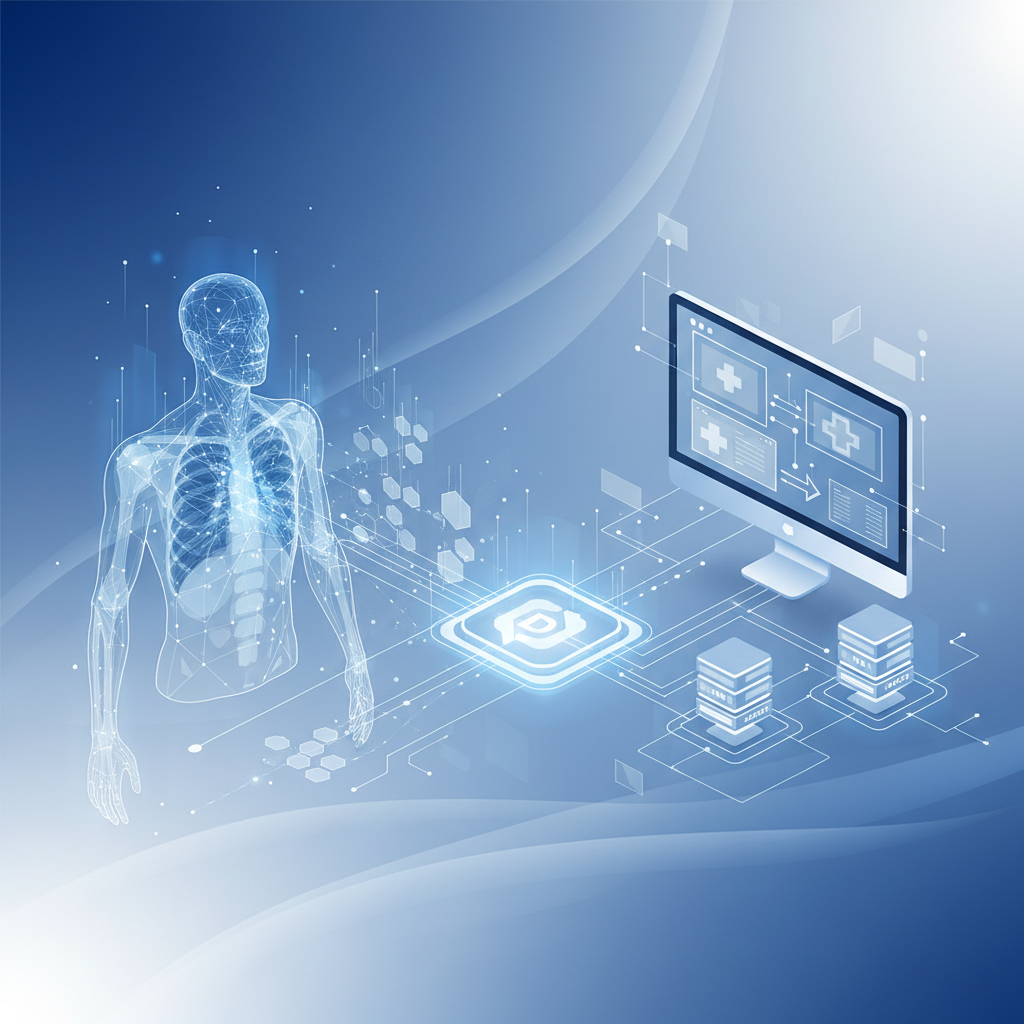
Understanding DICOM Integration in Modern Radiology
In the rapidly evolving landscape of healthcare, efficient and accurate medical imaging is paramount. At the heart of this efficiency lies DICOM (Digital Imaging and Communications in Medicine), the international standard for handling, storing, printing, and transmitting information in medical imaging. Effective DICOM integration is not just a technological advantage; it's a foundational requirement for any modern radiology practice, hospital, or imaging center. It ensures that critical patient data, from complex CT scans to intricate MRI images, moves seamlessly between devices and systems, enhancing diagnostic accuracy and patient care.
DICOM integration facilitates interoperability, allowing different pieces of imaging equipment (like scanners and workstations) and IT systems (like PACS, RIS, and EHRs) to 'talk' to each other. This standardized communication is crucial for maintaining data integrity and speeding up workflows. Without robust DICOM integration, healthcare providers would face significant hurdles in accessing, manage, and sharing vital diagnostic information, leading to delays and potential errors.
The Foundational Role of DICOM in Healthcare Imaging
DICOM defines not only the format of medical images but also the protocols for exchanging them. This encompasses a wide array of image types, including X-rays, ultrasounds, CT, MRI, and nuclear medicine. Beyond basic image transfer, DICOM integration supports associated clinical data, such as patient demographics, study information, and even structured reports. This comprehensive approach is essential for accurate diagnoses and effective treatment planning across diverse medical specialties, including human radiology services and even specialized fields like veterinary imaging operations.
Key Benefits of Robust DICOM Integration
Implementing strong DICOM integration brings a multitude of advantages to healthcare organizations, impacting everything from operational efficiency to patient outcomes.
- Enhanced Workflow Efficiency: Seamless data flow eliminates manual data entry and reduces the time technicians spend on image management. This allows radiologists to focus more on clinical documentation, leading to quicker diagnoses. By streamlining operations, facilities can better optimize their radiology workflow manager systems and overall efficiency.
- Improved Data Accuracy and Reliability: Automated transfer of DICOM images and data significantly reduces the risk of human error associated with manual handling, ensuring that patient information is consistent and accurate across all systems.
- Faster Access to Patient Studies: Radiologists and referring physicians can instantly access patient images and reports from any authorized location, accelerating diagnosis and treatment decisions. This is particularly vital in emergency situations and for emergency radiology services.
- Better Collaboration Among Healthcare Teams: DICOM-compliant systems enable easy sharing of images and reports among specialists, fostering inter-departmental collaboration and enhancing the quality of care.
- Cost Reduction and Resource Optimization: By streamlining processes and reducing manual tasks, organizations can achieve significant radiology cost reduction. This includes savings on labor, reduced need for physical film storage, and minimized administrative overhead. Efficient revenue cycle management is also directly impacted by these workflow improvements.
- Support for imaging operations and Remote image access: DICOM integration is the backbone of imaging operations, allowing images acquired anywhere in the world to be transmitted securely to radiologists for clinical documentation, supporting flexible radiology staffing solutions and expanding access to specialized expertise. This is particularly crucial for radiology workflow support delivered remotely.
Common Challenges in DICOM Integration and How to Overcome Them
While the benefits are clear, organizations often encounter several challenges when implementing or managing DICOM integration. Understanding these hurdles is the first step toward effective solutions.
- Vendor Interoperability: Different vendors may have subtle variations in their DICOM implementations, leading to compatibility issues.
- Data Security and Privacy: Transmitting sensitive patient data requires robust security measures to comply with HIPAA and other regulations.
- Network Bandwidth and Storage: High-resolution medical images require significant bandwidth for transmission and vast storage capacity.
- Legacy Systems: Integrating older, non-DICOM compliant equipment or systems can be complex and expensive.
- Maintenance and Upgrades: Keeping integration points updated with evolving standards and system upgrades requires ongoing effort.
Strategies for Overcoming Integration Hurdles:
"Successful DICOM integration relies not just on technology, but on a strategic approach to vendor partnerships and a deep understanding of workflow needs." - Healthcare IT News
To address these challenges, consider:
- Thorough Planning and Assessment: Before implementation, conduct a comprehensive assessment of existing systems, network infrastructure, and future needs.
- Standardization and Compliance: Prioritize systems and solutions that adhere strictly to DICOM standards and IHE (Integrating the Healthcare Enterprise) profiles.
- Robust Security Protocols: Implement end-to-end encryption, access controls, and regular audits to protect patient data.
- Scalable Infrastructure: Invest in network infrastructure and storage solutions that can handle current demands and future growth.
- Expert Partnership: Work with experienced IT professionals or vendors specializing in medical imaging integration to navigate complexities and ensure seamless transitions. This approach is key to optimizing care through medical imaging outsourcing.
Best Practices for Successful DICOM Integration
Achieving optimal DICOM integration requires a strategic and disciplined approach. Adhering to best practices can significantly enhance system performance and reliability.
1. Standardized Naming Conventions: Implement consistent naming protocols for studies, series, and images across all modalities and systems. This improves searchability and data organization.
2. Regular Audits and Monitoring: Continuously monitor integration points for errors, bottlenecks, and security vulnerabilities. Regular audits ensure compliance and proactive issue resolution.
3. Comprehensive Training: Ensure all relevant staff – from technicians to radiologists and IT personnel – are thoroughly trained on the integrated systems and DICOM standards. This enhances user adoption and reduces preventable errors.
4. Disaster Recovery Planning: Develop and test a robust disaster recovery plan to ensure business continuity and data availability in case of system failures or outages. Data backup and recovery are crucial for any imaging system.
5. Vendor Collaboration and Support: Maintain open communication with all system vendors to ensure ongoing compatibility, support, and access to updates. Strong vendor relationships are vital for long-term integration success.
6. Focus on Cybersecurity: Given the increasing threat landscape, regularly update security patches, use strong authentication methods, and conduct penetration testing to safeguard patient data. As explored in Comprehensive Guide to Diagnostic Imaging Services, data protection is non-negotiable.
DICOM Integration in Specialized Radiology Services
The principles of DICOM integration extend across all areas of radiology, playing a particularly critical role in specialized services:
Veterinary imaging operations
For veterinary imaging operations, robust DICOM integration allows veterinary clinics worldwide to transmit animal imaging studies (X-rays, CTs, MRIs) to specialized veterinary radiologists for expert clinical documentation. This significantly broadens access to high-level diagnostic expertise, especially in remote or underserved areas, ensuring optimal care for animal patients. The ability to seamlessly send and receive studies is a cornerstone of this growing field.
Efficient Radiology Staffing Solutions
Effective DICOM integration plays a crucial role in supporting modern radiology staffing solutions. By enabling remote access to studies and streamlined workflows, it facilitates the use of imaging operations, allowing radiologists to work from various locations. This flexibility helps address staffing shortages, optimizes radiologist availability across different time zones, and allows practices to leverage specialized expertise without geographical constraints.
Controlling Radiology Cost Reduction
One of the tangible benefits of streamlined digital workflows is significant radiology cost reduction. By reducing the need for physical film processing and storage, minimizing administrative overhead related to manual image handling, and improving overall operational efficiency, DICOM integration directly contributes to a healthier bottom line. Faster report turnaround times also mean quicker billing cycles, which positively impacts radiology billing services and overall financial health.
The Future of DICOM Integration: AI and Beyond
The landscape of medical imaging is continually evolving, with artificial intelligence (AI) poised to revolutionize diagnostic processes. The future of DICOM integration will heavily involve integrating AI algorithms and tools directly into PACS and RIS, allowing for automated image analysis, disease detection, and workflow prioritization. This will require even more sophisticated and secure DICOM extensions to handle metadata related to AI processing and results.
Furthermore, cloud-based DICOM archives are gaining traction, offering enhanced scalability, accessibility, and disaster recovery capabilities. This shift will necessitate robust cloud security protocols and seamless integration with on-premise systems.
As discussed in Enhancing Patient Outcomes with Radiology Quality Assurance, continuous advancements in technology, including those related to DICOM, are crucial for advancing patient care and diagnostic accuracy.
Key Takeaways
- DICOM integration is the backbone of modern and efficient medical imaging workflows.
- It enables seamless communication between imaging modalities, PACS, RIS, and EHR systems.
- Benefits include enhanced efficiency, improved data accuracy, faster access, better collaboration, and significant radiology cost reduction.
- Challenges like vendor interoperability and data security require strategic planning and robust solutions.
- Best practices involve standardization, regular monitoring, comprehensive training, and strong security measures.
- DICOM integration is essential for specialized services like veterinary imaging operations and effective radiology staffing solutions.
- The future will see deeper integration with AI and cloud technologies, further enhancing diagnostic capabilities.
For organizations seeking to optimize their medical imaging workflows through advanced DICOM integration and comprehensive radiology solutions, consider partnering with experts in the field. Leveraging cutting-edge technology and unparalleled expertise can significantly streamline operations and enhance patient care. RAD365 provides tailored imaging operations and imaging solutions, ensuring seamless integration and optimal performance for your medical imaging needs.
Frequently Asked Questions
1. What is DICOM integration and why is it important?
DICOM integration refers to the process of connecting medical imaging devices and information systems using the DICOM standard. It's crucial because it enables seamless communication, storage, retrieval, and sharing of medical images and related patient data, optimizing workflows and improving diagnostic efficiency across healthcare facilities.
2. How does DICOM integration improve radiology workflow efficiency?
DICOM integration streamlines workflows by automating the transfer of images and patient data from acquisition devices to PACS, RIS, and EHR systems. This reduces manual data entry, minimizes delays, allows for quicker access to studies, and frees up staff time for more critical tasks, enhancing overall efficiency in radiology departments.
3. What are the common challenges in implementing DICOM integration?
Typical challenges include ensuring interoperability between systems from different vendors, maintaining robust data security and privacy, managing high network bandwidth and storage requirements for large image files, integrating legacy non-DICOM systems, and continuous maintenance and upgrades to stay compliant with evolving standards.
4. Can DICOM integration help achieve radiology cost reduction?
Yes, effective DICOM integration can lead to significant radiology cost reduction. It eliminates the need for physical film, reduces administrative overhead associated with manual image management, streamlines billing processes, and optimizes resource utilization through more efficient workflows and remote image access capabilities.
5. Is DICOM integration relevant for veterinary imaging operations services?
Absolutely. DICOM integration is foundational for veterinary imaging operations. It allows veterinary clinics to securely transmit animal imaging studies (X-rays, CTs, MRIs) to specialized veterinary radiologists for remote clinical documentation, extending diagnostic expertise and improving animal patient care regardless of geographic location.
6. How does DICOM integration support modern radiology staffing solutions?
DICOM integration underpins flexible radiology staffing solutions by enabling efficient imaging operations. Radiologists can access and manage studies remotely, allowing healthcare facilities to leverage a broader pool of talent, fill staffing gaps, provide coverage during off-hours, and access subspecialty expertise more easily.
7. What security measures are critical for DICOM integration?
Critical security measures for DICOM integration include end-to-end encryption for data in transit and at rest, robust access control mechanisms, secure authentication protocols, regular security audits, compliance with HIPAA and other data privacy regulations, and frequent patching of systems for vulnerabilities.
8. What role does IHE play in DICOM integration?
IHE (Integrating the Healthcare Enterprise) profiles provide practical guidance and frameworks for how DICOM (and other standards) should be implemented to achieve specific clinical workflows. Adhering to IHE profiles helps ensure better interoperability and predictable behavior between different vendor systems during DICOM integration.
9. Can older medical imaging equipment be integrated using DICOM?
Integrating older, non-DICOM compliant equipment can be challenging but is often possible using DICOM gateways or converters. These devices translate proprietary image formats into DICOM standards, allowing legacy systems to participate in an integrated digital workflow.
10. What are the benefits of cloud-based DICOM integration?
Cloud-based DICOM integration offers enhanced scalability for storage and processing, improved accessibility for remote users, robust disaster recovery capabilities, and often reduced upfront infrastructure costs. It facilitates global data access and collaboration.
11. How does DICOM integration impact patient data accuracy?
By automating the transfer of images and associated patient data, DICOM integration significantly reduces the potential for human error in data entry and matching, ensuring that patient information is consistent, accurate, and reliable across all connected systems.
12. What is PACS in relation to DICOM integration?
PACS (Picture Archiving and Communication System) is a medical imaging technology that stores, retrieves, presents, and shares images produced by various modalities. DICOM is the standard that enables images and data to be seamlessly transmitted to and from the PACS, forming the core of a modern radiology department.
13. What is RIS's role in DICOM integration?
RIS (Radiology Information System) manages radiology workflow, scheduling, patient tracking, and reporting. DICOM integration allows the RIS to communicate with imaging modalities and PACS, sending patient demographics to optimize image acquisition and receiving study information for reporting and billing purposes.
14. How does DICOM integration facilitate collaboration among healthcare teams?
DICOM integration promotes collaboration by providing a standardized, accessible platform for sharing medical images and reports among referring physicians, specialists, and radiologists. This instantaneous access and common format facilitate multidisciplinary discussions and comprehensive patient care.
15. What training is required for effective DICOM integration management?
Effective DICOM integration management requires training for radiologists, technologists, and IT staff. This includes understanding DICOM standards, workflow protocols, troubleshooting common issues, data security practices, and proper use of integrated systems to ensure smooth operation and compliance.
16. How does DICOM integration support AI in radiology?
DICOM integration is crucial for the future of AI in radiology. It allows AI algorithms to seamlessly access and process medical images from PACS, integrate AI-generated findings into radiologists' workflows, and store results (such as AI-derived measurements or probability scores) within the DICOM standard for review and archiving.
17. What is the difference between DICOM and HL7, and how do they integrate?
DICOM is specific to medical images and related data, defining image formats and communication protocols. HL7 (Health Level Seven) is for clinical and administrative data exchange (e.g., patient demographics, orders, results). They often integrate via interface engines or brokers, with HL7 carrying patient data and DICOM handling the images, working together for a complete patient record.
18. How often should DICOM integrated systems be updated?
DICOM integrated systems should be updated regularly, as recommended by vendors, to ensure compliance with the latest standards, enhance security, improve performance, and integrate new features. This includes software patches, firmware updates for modalities, and periodic review of integration points.
19. What is a DICOM viewer, and how does it relate to integration?
A DICOM viewer is software that allows users to view, manipulate, and analyze medical images stored in the DICOM format. DICOM integration ensures these viewers can seamlessly retrieve images from PACS or other archives, providing radiologists and clinicians with the tools needed for diagnosis and review.
20. Can DICOM integration improve turnaround times for radiology reports?
Yes, by streamlining image transfer and access, DICOM integration directly contributes to faster turnaround times for radiology reports. Radiologists can access studies more quickly, manage them efficiently, and populate reports with timely, accurate data, leading to a more rapid diagnostic process.
