Comprehensive Guide to Diagnostic Imaging Services
Explore comprehensive diagnostic imaging services. Learn how medical imaging outsourcing, emergency radiology, and efficient workflows improve patient outcomes. Get expert insights.
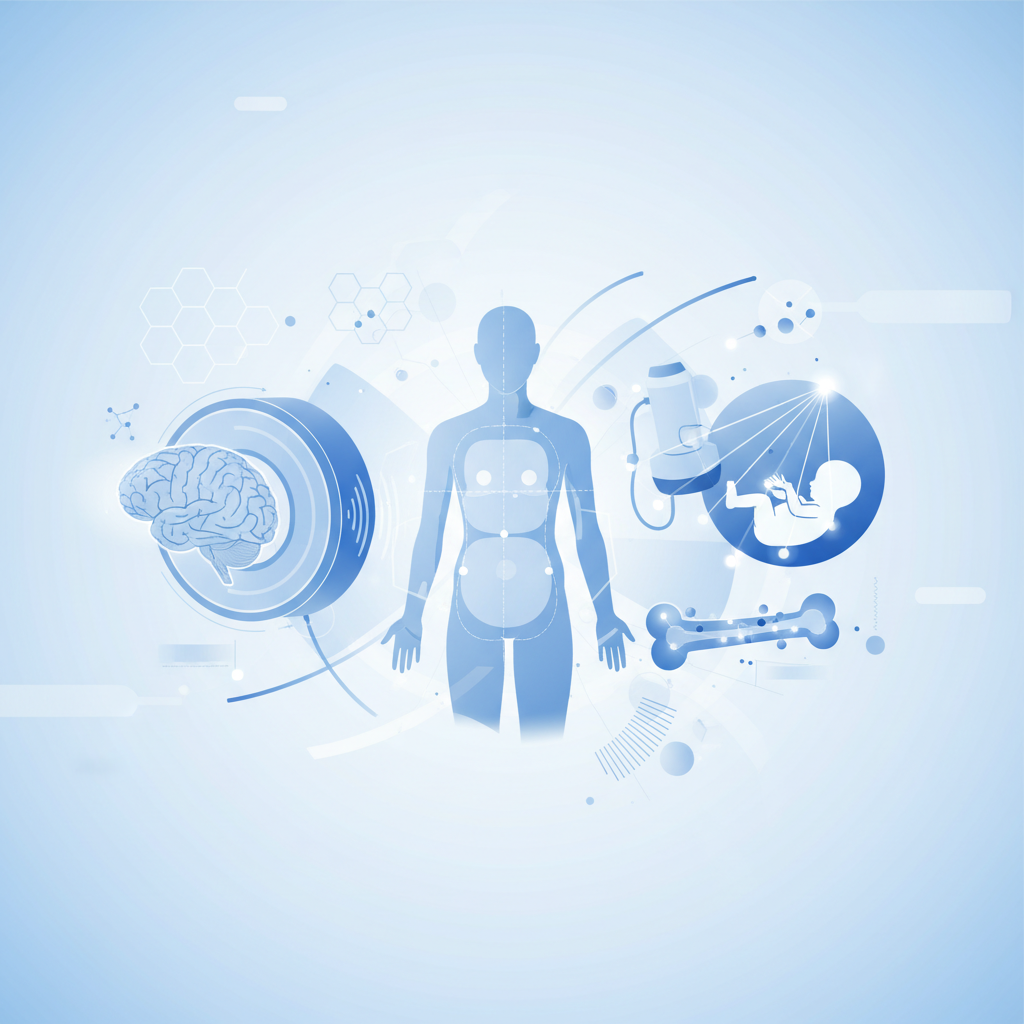
Understanding Comprehensive Diagnostic Imaging Services
Diagnostic imaging services form the cornerstone of modern medicine, providing invaluable insights into the human body's internal structures and functions. From detecting early-stage diseases to monitoring treatment efficacy, these services are indispensable for accurate diagnoses, guiding therapeutic interventions, and improving overall patient outcomes. The field encompasses a wide array of sophisticated technologies, each offering unique perspectives to medical professionals. As healthcare continues to evolve, the demand for timely, accurate, and accessible diagnostic imaging services grows exponentially, requiring robust infrastructure and expert clinical documentation.
The Crucial Role of Diagnostic Imaging in Patient Care
Diagnostic imaging plays a pivotal role across virtually all medical specialties. It empowers physicians with the visual evidence needed to make informed decisions, often before symptoms become severe. This proactive approach leads to earlier treatment, better prognoses, and reduced healthcare costs in the long run. The integration of advanced imaging techniques has revolutionized how many conditions are managed, from cardiovascular diseases to oncology and musculoskeletal injuries. The ability to visualize pathologies non-invasively often spares patients from more invasive exploratory procedures.
Furthermore, the data generated by these services is vital for research and development, constantly pushing the boundaries of medical understanding. For healthcare administrators, ensuring access to high-quality human radiology services is paramount for patient satisfaction and clinical excellence.
Key Diagnostic Imaging Modalities and Their Applications
The spectrum of diagnostic imaging services is broad, utilizing different physical principles to create detailed images. Each modality has specific strengths and applications, making a tailored approach essential for every patient.
- X-ray (Radiography): Often the first line of diagnostic imaging due to its speed and cost-effectiveness. Primarily used for bone fractures, chest conditions (e.g., pneumonia), and some abdominal issues.
- Computed Tomography (CT) Scans: Uses X-rays and computer processing to create detailed cross-sectional images of organs, soft tissues, bone, and blood vessels. Excellent for emergency situations, trauma, cancer staging, and complex anatomical evaluations.
- Magnetic Resonance Imaging (MRI): Utilizes powerful magnetic fields and radio waves to generate highly detailed images of soft tissues, such as the brain, spinal cord, muscles, ligaments, and organs. It avoids ionizing radiation, making it suitable for repeat studies. Understanding subspecialty radiology often involves mastering MRI clinical documentation.
- Ultrasound (Sonography): Uses high-frequency sound waves to create real-time images. Commonly used in obstetrics, cardiology, abdominal imaging, and guiding biopsies. Its non-invasive nature and lack of radiation make it very versatile.
- Nuclear Medicine & PET Scans: Involves introducing a small amount of radioactive tracer into the body to visualize organ function rather than just structure. PET scans are crucial for detecting cancer, evaluating heart disease, and brain disorders.
Advancements in Imaging Technology
Technological innovations continuously enhance the capabilities of diagnostic imaging services. AI-powered image analysis, faster scan times, lower radiation doses, and improved image resolution are just a few examples. These advancements contribute significantly to Radiology AI: Transforming Diagnostic Imaging in Healthcare, allowing for earlier and more precise diagnoses.
Optimizing Workflow and Efficiency in Diagnostic Imaging
Efficient management of diagnostic imaging services is crucial for both patient care and operational sustainability. Delays in imaging or clinical documentation can have significant consequences, especially for critical cases.
Streamlining Operations with imaging operations and Outsourcing
Many healthcare facilities are turning to solutions like imaging operations and medical imaging outsourcing to optimize their operations. imaging operations allows for offsite clinical documentation of imaging studies, providing access to subspecialty expertise regardless of geographic location. This is particularly vital for hospitals in rural areas or those facing radiologist shortages. Outsourcing can also cover specialized needs, including radiology workflow support for after-hours or vacation coverage.
The benefits of outsourcing extend beyond just staffing. It can lead to:
- Enhanced Access to Specialists: Subspecialty radiologists can review complex cases.
- Improved Turnaround Times: Especially beneficial for urgent cases, helping to meet optimizing radiology report turnaround time goals.
- Cost Efficiency: Reducing overheads associated with in-house staffing for certain shifts or specialties.
- 24/7 Coverage: Ensuring continuous clinical documentation capabilities, crucial for emergency radiology services.
Managing Data and Imaging Systems
The sheer volume of data generated by diagnostic imaging services necessitates robust IT infrastructure. Picture Archiving and Communication Systems (PACS) are central to this, allowing for the storage, retrieval, and viewing of medical images. Understanding Understanding PACS Radiology: A Comprehensive Guide is essential for any modern imaging department. Integrated with Radiology Workflow Manager systems, PACS helps ensure seamless operations from image acquisition to final report delivery.
The Importance of Emergency Radiology Services
Emergency radiology services are a specialized and critical component of diagnostic imaging, designed to provide immediate clinical documentation for acute conditions and trauma. In emergency departments, rapid and accurate diagnoses can be life-saving. This requires radiologists to be available around the clock, with the ability to manage a wide range of studies under pressure.
Optimizing Optimizing After Hours Radiology Coverage is a significant challenge for many hospitals. imaging operations solutions are often employed to bridge this gap, ensuring that emergency rooms have continuous access to expert clinical documentation, even during off-hours, weekends, and holidays. This not only improves patient care but also helps hospitals comply with regulatory requirements for timely reporting.
Financial Management: Radiology Billing Services
The financial health of any diagnostic imaging department is heavily reliant on efficient radiology billing services. The complexities of medical coding, insurance claims, and compliance with ever-changing regulations can be daunting. Errors in billing can lead to significant revenue loss and administrative burden.
Effective revenue cycle management (RCM) for radiology practices involves:
- Accurate Coding: Correctly assigning CPT and ICD-10 codes for all procedures.
- Claim Submission: Timely and accurate submission of claims to insurance providers.
- Denial Management: Efficiently appealing denied claims and identifying patterns to prevent future denials.
- Patient Collections: Managing co-pays, deductibles, and self-pay accounts.
- Compliance: Adhering to HIPAA, Medicare, Medicaid, and private payer regulations.
Many organizations choose to outsource their Revenue Cycle Management to specialized firms, allowing them to focus on patient care while experts handle the intricacies of billing. This ensures maximum reimbursement and financial stability for their diagnostic imaging services.
Future Trends in Diagnostic Imaging Services
The landscape of diagnostic imaging is continuously evolving, driven by technological innovations and the need for more personalized medicine. Several key trends are shaping the future:
- Artificial Intelligence (AI) and Machine Learning: AI is increasingly being integrated into imaging workflows to assist with image acquisition, analysis, and clinical documentation, improving efficiency and accuracy.
- Quantitative Imaging: Moving beyond qualitative assessment to provide measurable data from images, enabling more precise tracking of disease progression and treatment response.
- Hybrid Modalities: Combining different imaging techniques (e.g., PET/MRI, CT/Angiography) to offer more comprehensive diagnostic information in a single examination.
- Personalized Medicine: Tailoring imaging protocols and clinical documentation to individual patient characteristics and genetic profiles for more effective diagnoses and therapies.
- Increased Interoperability: Greater integration between PACS, EMRs, and other healthcare IT systems to facilitate seamless data exchange and improve care coordination.
- Focus on Value-Based Care: Shifting from volume-based to value-based care, emphasizing diagnostic imaging services that offer the best patient outcomes and cost-effectiveness.
These trends highlight a future where diagnostic imaging services are even more precise, efficient, and integrated into the broader healthcare ecosystem, ultimately leading to better health outcomes for populations worldwide.
Key Takeaways
Comprehensive diagnostic imaging services are indispensable for modern healthcare, driving accurate diagnoses and effective treatment plans. The field is characterized by a diverse range of modalities, each with unique applications, continuously advanced by technological innovation.
- Optimizing workflows through solutions like imaging operations and medical imaging outsourcing provides access to specialized expertise, improves turnaround times, and ensures continuous coverage, particularly for emergency radiology services.
- Efficient financial management, including expert radiology billing services, is vital for the sustainability of imaging departments.
- Future trends, including AI, quantitative imaging, and personalized medicine, promise to further enhance the precision and integration of diagnostic imaging.
Hospitals and clinics must strategically invest in and manage their diagnostic imaging services to remain competitive and provide the highest standard of patient care. From seamless workflow management to robust revenue cycle processes, every aspect contributes to the overall success and clinical excellence. For partners seeking to enhance their diagnostic imaging capabilities and streamline operations, RAD365 offers comprehensive solutions tailored to modern healthcare demands.
Frequently Asked Questions
1. What are diagnostic imaging services?
Diagnostic imaging services encompass a range of medical tests that use various technologies (like X-rays, MRI, CT, ultrasound) to create images of the inside of the body. These images help physicians diagnose, monitor, and treat various medical conditions without invasive procedures.
2. Why are diagnostic imaging services important in healthcare?
They are crucial for accurate and timely diagnoses, allowing for early detection of diseases, monitoring disease progression, guiding medical procedures, and assessing treatment effectiveness. This leads to better patient outcomes and often reduces the need for more invasive diagnostic methods.
3. What is the primary difference between MRI and CT scans in diagnostic imaging?
MRI uses strong magnetic fields and radio waves to produce detailed images of soft tissues, making it excellent for brain, spinal cord, and joint issues, and involves no ionizing radiation. CT scans use X-rays to create cross-sectional images of bones, soft tissues, and blood vessels, ideal for emergencies and bone injuries.
4. How does medical imaging outsourcing impact diagnostic capabilities?
Medical imaging outsourcing provides access to a broader pool of subspecialty radiologists and ensures 24/7 coverage, leading to faster turnaround times, enhanced diagnostic accuracy, and improved efficiency, especially for complex or urgent cases.
5. What role does imaging operations play in delivering diagnostic imaging services?
imaging operations enables offsite clinical documentation of medical images by radiologists, regardless of their physical location. This is vital for facilities needing after-hours coverage, access to subspecialty expertise, or managing high volumes, ensuring continuous and timely diagnostic imaging services.
6. What are emergency radiology services and why are they critical?
Emergency radiology services involve the rapid clinical documentation of imaging studies for patients with acute injuries or illnesses in urgent care or emergency settings. They are critical because timely and accurate diagnoses in these situations can be life-saving and significantly impact patient management.
7. How do radiology billing services ensure financial health for imaging centers?
Radiology billing services handle the complex process of coding, claim submission, denial management, and patient collections. By ensuring accurate and timely billing, they maximize reimbursement, minimize revenue loss, and maintain the financial stability of diagnostic imaging providers.
8. What are some common challenges in managing diagnostic imaging services?
Challenges include staff shortages, maintaining expensive equipment, managing growing image data, ensuring timely clinical documentation, navigating complex billing and regulatory compliance, and integrating with electronic health records.
9. How do AI and machine learning enhance diagnostic imaging services?
AI and machine learning aid in image analysis, anomaly detection, workflow optimization, and quantitative measurements. They can improve diagnostic accuracy, reduce image access times, and assist radiologists in identifying subtle findings.
10. What is PACS and its importance in diagnostic imaging?
PACS (Picture Archiving and Communication System) is a medical imaging technology that provides economical storage and convenient access to images from various modalities. It is crucial for efficient workflow, allowing radiologists to view, manage, and share images digitally.
11. Can veterinary practices benefit from diagnostic imaging services expertise?
Yes, veterinary practices significantly benefit from specialized diagnostic imaging services, mirroring human medicine's needs for accurate diagnoses in animal patients through X-ray, ultrasound, CT, and MRI modalities to guide treatment plans effectively.
12. What is the expected turnaround time for diagnostic imaging reports?
Turnaround time varies by study urgency. Emergency reports are typically delivered within minutes to an hour, while routine studies might take a few hours to 24 hours. Efficient workflows and imaging operations services aim to optimize these times for better patient care.
13. How does subspecialty radiology improve diagnostic imaging accuracy?
Subspecialty radiologists possess deep expertise in specific body parts or disease categories (e.g., neuroradiology, musculoskeletal radiology). Their specialized knowledge leads to more precise clinical documentation, detecting subtle findings that a general radiologist might miss, enhancing overall diagnostic accuracy.
14. What is revenue cycle management (RCM) specifically for radiology?
RCM for radiology is the comprehensive process that tracks the lifecycle of a patient account from registration to final payment. It optimizes financial operations within diagnostic imaging services by managing scheduling, eligibility verification, coding, billing, and collections.
15. How does a Radiology Workflow Manager improve diagnostic imaging efficiency?
A Radiology Workflow Manager streamlines processes from patient scheduling and image acquisition to radiologist clinical documentation and report distribution. It automates tasks, reduces manual errors, and optimizes resource allocation, ensuring a smoother and more efficient delivery of diagnostic imaging services.
16. Are there different types of diagnostic imaging services for various body parts?
Yes, diagnostic imaging services are highly specialized. For example, mammography is for breast imaging, echocardiography for the heart, neuroradiology for the brain and spine, and musculoskeletal imaging for bones and joints. Each requires specific equipment and documentation expertise.
17. What regulations affect the provision of diagnostic imaging services?
Diagnostic imaging services are subject to regulations like HIPAA for patient privacy, Medicare and Medicaid rules for reimbursement, state licensing requirements for facilities and personnel, and radiation safety guidelines to protect patients and staff.
18. How are diagnostic imaging services contributing to personalized medicine?
By providing highly detailed and functional information about a patient's unique biological makeup and disease characteristics, diagnostic imaging services enable physicians to tailor treatment plans, predict responses to therapies, and monitor individual progress more effectively, leading to personalized care.
19. What measures are taken to ensure patient safety during diagnostic imaging procedures?
Patient safety measures include minimizing radiation exposure (ALARA principle), using contrast agents safely, screening for contraindications (e.g., claustrophobia for MRI), employing trained personnel, and maintaining equipment according to strict safety standards.
20. How can healthcare facilities assess the quality of diagnostic imaging services vendors?
Facilities can assess vendors by examining their radiologists' credentials and subspecialties, turnaround time metrics, technology stack, quality assurance protocols, compliance track record, client testimonials, and their ability to integrate seamlessly with existing systems.
