Optimizing After Hours Radiology Coverage: A Comprehensive Guide
Discover comprehensive strategies for effective after hours radiology coverage. Enhance patient care, reduce burnout, and optimize diagnostic imaging services.
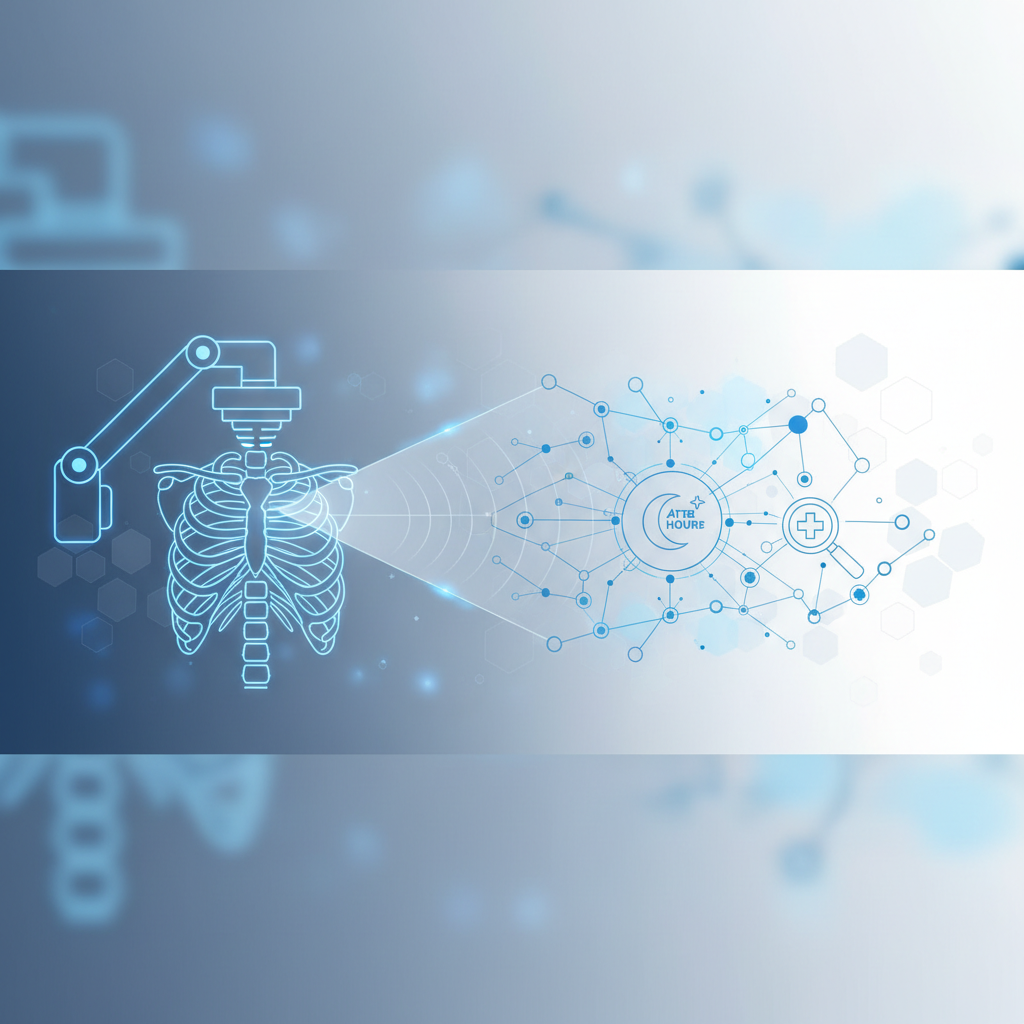
Optimizing After Hours Radiology Coverage: A Comprehensive Guide
After hours radiology coverage is a critical component of modern healthcare, ensuring that patients receive timely and accurate diagnostic imaging clinical documentation regardless of the time of day. As healthcare facilities operate 24/7, the need for robust radiology services extends far beyond typical business hours. This continuous availability is vital for emergency departments, inpatient care, and urgent care centers, where rapid diagnosis can significantly impact patient outcomes and save lives. Understanding the intricacies of providing seamless after hours radiology coverage is paramount for hospital administrators, radiologists, and healthcare decision-makers.
The demand for immediate imaging results during off-peak hours has driven the widespread adoption of innovative solutions, primarily imaging operations. With growing complexities in diagnostic imaging and increasing caseloads, effective strategies are needed to maintain high quality and efficiency around the clock. This guide delves into the importance, challenges, and solutions for optimizing after hours radiology coverage, ensuring continuous, high-quality patient care.
The Indispensable Role of After Hours Radiology Coverage
The significance of comprehensive after hours radiology coverage cannot be overstated. It directly impacts patient safety, operational efficiency, and overall hospital performance. In emergency situations, every minute counts, and a delay in diagnostic imaging clinical documentation can have severe consequences. Reliable after hours radiology coverage ensures that critical findings are identified promptly, guiding clinicians toward appropriate treatment plans.
Key benefits include:
- Improved Patient Outcomes: Timely diagnosis of critical conditions such as strokes, appendicitis, or fractures leads to faster intervention and better recovery rates.
- Enhanced Clinician Trust: Emergency room physicians and other referring clinicians rely heavily on rapid radiology reports to make informed decisions for their patients. Consistent, high-quality after hours radiology coverage builds trust and facilitates better inter-departmental collaboration.
- Reduced Hospital Stays: Quick diagnoses can often prevent unnecessary overnight stays or prolonged observation periods, contributing to cost-effectiveness and patient satisfaction.
- Competitive Advantage: Hospitals offering superior 24/7 diagnostic imaging services are often viewed as leaders in patient care, attracting more patients and skilled medical professionals.
- Compliance and Accreditation: Many regulatory bodies and accreditation organizations require healthcare facilities to provide continuous access to essential diagnostic services, including radiology.
Challenges in Providing Continuous After Hours Radiology Coverage
While the benefits are clear, providing consistent and high-quality after hours radiology coverage comes with its own set of challenges. These often include staffing issues, financial constraints, and maintaining subspecialty expertise.
- Radiologist Shortages and Burnout: There's a persistent shortage of radiologists, especially during off-peak hours. Expecting in-house radiologists to cover extensive shifts can lead to burnout, decreased job satisfaction, and potential errors due to fatigue.
- Maintaining Subspecialty Expertise: While general radiologists can cover many urgent cases, complex studies often benefit from subspecialty radiology expertise. Providing access to neuro-radiologists, orthopedic radiologists, or pediatric radiologists during after hours can be challenging for individual facilities.
- Geographic and Time Zone Barriers: For facilities relying on local talent, covering nights and weekends can be difficult. Different time zones can complicate scheduling and communication if internal resources are distributed.
- Technological Infrastructure: Ensuring seamless access to PACS systems, imaging modalities, and secure networks for remote image access requires robust IT infrastructure. Understanding PACS Radiology is crucial for efficient operations.
- Cost Implications: Hiring additional staff or paying overtime for in-house radiologists to cover after hours can be financially burdensome for many healthcare organizations.
imaging operations: A Cornerstone Solution for After Hours Coverage
imaging operations has emerged as the most effective and widely adopted solution for overcoming the challenges associated with after hours radiology coverage. By leveraging remote image access capabilities, imaging operations services ensure that imaging studies are manage by qualified radiologists regardless of their physical location or time zone. This is particularly beneficial for hospitals that lack the internal resources to staff 24/7 in-house radiology departments.
Key advantages of using imaging operations for after hours coverage:
- 24/7 Coverage: imaging operations companies can provide continuous radiology workflow support, ensuring no gap in diagnostic imaging clinical documentation. Optimizing patient care with imaging operations services is a primary goal.
- Access to Subspecialty Expertise: Leading imaging operations providers offer a vast network of board-certified radiologists, including those with subspecialty training. This means a complex pediatric MRI study performed at 3 AM can be read by a fellowship-trained pediatric radiologist, improving diagnostic accuracy.
- Improved Turnaround Times: With dedicated radiologists focused solely on manage studies during off-hours, imaging operations often leads to significantly optimizing radiology report turnaround time, which is critical in emergent situations.
- Cost-Effectiveness: Outsourcing after hours radiology coverage can be more cost-effective than staffing an in-house team around the clock, reducing overheads associated with salaries, benefits, and infrastructure.
- Flexibility and Scalability: imaging operations services can be scaled up or down based on patient volume and specific needs, offering flexibility that in-house departments often cannot match. This is a key aspect for optimizing radiology services with outsourcing solutions.
- Radiologist Well-being: By taking the burden of overnight shifts off in-house teams, imaging operations helps prevent burnout and improves the quality of life for hospital radiologists.
Integrating Radiology AI for Enhanced Efficiency
The future of after hours radiology coverage is increasingly being shaped by the integration of radiology AI. Artificial intelligence tools are not designed to replace radiologists but rather to augment their capabilities, especially during high-pressure, off-peak hours. AI algorithms can act as a crucial 'second pair of eyes' or triage assistant, prioritizing critical cases and highlighting anomalies that might otherwise be missed. This enhances the quality of human radiology services.
Applications of radiology AI in after hours coverage include:
- Prioritization and Triage: AI can rapidly scan incoming studies and flag those indicative of critical conditions (e.g., intracranial hemorrhage, pneumothorax), ensuring that these cases are brought to the radiologist's attention immediately.
- Detection Assistance: AI algorithms can assist in detecting subtle findings, acting as a sensitivity boost for radiologists, particularly when fatigue might be a factor.
- Measurement and Quantification: AI can automate routine measurements and quantifications, speeding up the reporting process and reducing manual errors.
- Workflow Optimization: By automating repetitive tasks and providing intelligent insights, AI can streamline the diagnostic imaging services workflow, allowing radiologists to focus on complex clinical documentation. A robust radiology workflow manager integrated with AI can further enhance efficiency.
Best Practices for Implementing After Hours Radiology Coverage
To successfully implement and maintain optimized after hours radiology coverage, healthcare facilities should consider several best practices:
- Choose a Reputable imaging operations Partner: Select a provider with a proven track record, board-certified radiologists, robust IT infrastructure, and excellent communication protocols. Verify their compliance with all regulatory standards.
- Define Clear Communication Protocols: Establish clear channels for communication between referring clinicians, imaging operations, and hospital staff. This includes critical results reporting, follow-up questions, and consultation requests.
- Ensure Seamless PACS Integration: The imaging operations system must integrate flawlessly with the hospital’s existing PACS (Picture Archiving and Communication System) and EMR (Electronic Medical Record) to ensure efficient image transfer and report delivery.
- Implement Quality Assurance Programs: Regular quality audits, peer reviews, and feedback mechanisms are essential to maintain high standards of diagnostic accuracy and report quality.
- Prioritize Cybersecurity: With remote access to sensitive patient data, implementing stringent cybersecurity measures is non-negotiable to protect patient privacy and comply with HIPAA regulations.
- Monitor Performance Metrics: Continuously track key performance indicators such as turnaround times, report accuracy, critical finding rates, and referring physician satisfaction to identify areas for improvement.
- Support Hospital IT: Work closely with internal IT teams to ensure network stability, system uptime, and prompt resolution of any technical issues that could impact after hours radiology coverage.
The Future Landscape of After Hours Radiology Coverage
The evolution of after hours radiology coverage will continue to be driven by technological advancements and the increasing demand for instant, high-quality diagnostic insights. Expectations include:
- Further AI Integration: More sophisticated AI tools will become standard, not only for triage but also for diagnostic assistance in increasingly complex cases.
- Advanced Telemedicine Platforms: Enhanced platforms will offer more interactive consultations, including real-time image manipulation and collaborative image access sessions between remote radiologists and specialists.
- Blockchain for Data Security: Blockchain technology may play a role in securing patient data and streamlining image sharing across different healthcare systems, further enhancing the security of remote radiology reporting.
- Predictive Analytics: AI-powered predictive analytics could help anticipate imaging needs during off-hours, optimizing radiologist staffing and resource allocation.
- Increased Subspecialization in imaging operations: As cases become more complex, the trend towards highly specialized imaging operations services will likely grow, ensuring that even rare conditions are expertly diagnosed during after hours.
Key Takeaways
Effective after hours radiology coverage is no longer a luxury but an absolute necessity for hospitals aiming to provide excellent patient care and maintain operational efficiency. Leveraging imaging operations services, coupled with the strategic integration of radiology AI, presents the most robust solution to the challenges of staffing, subspecialty access, and rapid turnaround times.
By prioritizing seamless technology integration, clear communication, and continuous quality assurance, healthcare organizations can ensure that their diagnostic imaging services remain responsive and reliable 24/7. This commitment to continuous, high-quality after hours radiology coverage ultimately translates into improved patient outcomes, enhanced clinician satisfaction, and a stronger reputation for the healthcare facility.
For those seeking comprehensive solutions to optimize their human radiology services, ensure excellent after hours radiology coverage, and streamline their revenue cycle management, consider partnering with a trusted provider to enhance your diagnostic imaging capabilities.
Frequently Asked Questions
1. What specifically is after hours radiology coverage?
After hours radiology coverage refers to the provision of diagnostic imaging clinical documentation services outside of standard business hours, typically evenings, nights, weekends, and holidays. It ensures continuous access to expert radiology case activity for emergency departments, inpatient services, and urgent care facilities.
2. Why is after hours radiology coverage so important for hospitals?
It is crucial for timely diagnosis of critical conditions in emergency settings, improving patient outcomes, reducing hospital length of stay, enhancing clinician trust, and meeting regulatory requirements for continuous patient care.
3. How does imaging operations contribute to effective after hours radiology coverage?
imaging operations allows radiologists to manage imaging studies remotely, providing 24/7 coverage, access to a wide network of subspecialty radiologists, faster turnaround times, and a cost-effective alternative to in-house staffing during off-peak hours.
4. What are the main challenges in providing in-house after hours radiology coverage?
Challenges include radiologist shortages, potential for radiologist burnout, difficulty in maintaining subspecialty coverage, the high cost of staffing overnight shifts, and logistical complexities in scheduling.
5. Can radiology AI enhance after hours radiology coverage?
Yes, radiology AI can significantly enhance after hours coverage by triaging critical cases, highlighting subtle findings, assisting with measurements, and optimizing workflow, allowing radiologists to focus on complex clinical documentation with greater efficiency.
6. What kind of subspecialty radiology expertise is typically needed after hours?
While general case activity are common, facilities often benefit from access to neuroradiology, pediatric radiology, musculoskeletal radiology, and emergency radiology subspecialists to accurately manage complex or niche cases that arise during off-hours.
7. How quickly can imaging operations services provide reports during after hours?
Reputable imaging operations providers typically offer very rapid turnaround times for emergent studies, often within minutes to an hour, ensuring critical diagnoses are communicated promptly to referring clinicians.
8. What technological requirements are essential for seamless after hours radiology coverage?
Essential requirements include robust PACS integration, secure and high-speed internet connectivity, reliable image transfer systems, and sometimes EMR integration for comprehensive patient data access.
9. Is after hours radiology coverage more expensive to outsource or keep in-house?
Outsourcing after hours radiology coverage is often more cost-effective as it eliminates the need for additional salaries, benefits, and infrastructure costs associated with staffing an in-house team 24/7.
10. How do hospitals ensure quality assurance with outsourced after hours radiology coverage?
Hospitals should partner with imaging operations providers that have stringent quality assurance programs, including peer review, continuous monitoring of report accuracy, and defined communication protocols for critical findings.
11. What is the typical reporting process for an after hours radiology study?
Images are acquired locally, sent securely to the imaging operations provider's platform, manage by a remote radiologist, and the report is then transmitted back to the hospital's EMR/PACS for clinician review.
12. How does after hours radiology coverage impact patient safety?
It significantly enhances patient safety by ensuring immediate clinical documentation of urgent imaging studies, leading to faster diagnoses, appropriate treatment, and reduced risks associated with delayed medical intervention.
13. What role does a radiology workflow manager play in after hours coverage?
A radiology workflow manager optimizes the flow of imaging studies, ensuring efficient routing, prioritization, and communication between acquisition sites and radiologists, which is crucial for timely after hours clinical documentation.
14. Are there different levels of after hours radiology coverage available?
Yes, coverage can range from basic case coordination for emergent cases to comprehensive diagnostic case activity by subspecialized radiologists, depending on the hospital's needs and the imaging operations service agreement.
15. How can hospitals select the best imaging operations partner for after hours needs?
Evaluate factors like radiologist credentials, technology infrastructure, turnaround times, communication pathways, cybersecurity measures, customer support, and experience with various diagnostic imaging services.
16. What future trends are expected in after hours radiology coverage?
Future trends include deeper integration of AI for advanced triage and diagnosis, more sophisticated telemedicine platforms, use of blockchain for data security, and continued growth in subspecialized imaging operations services.
17. How does after hours coverage affect radiologist workload and burnout?
By outsourcing after hours shifts, in-house radiologists experience reduced workload burdens during off-hours, lessening fatigue and contributing to better work-life balance and job satisfaction, helping prevent burnout.
18. What regulatory considerations are there for outsourced after hours radiology coverage?
Providers must comply with HIPAA for patient data privacy, state licensing for radiologists, and adhering to ACR (American College of Radiology) standards for image quality and reporting.
19. Can after hours radiology coverage improve hospital revenue cycle management?
While not directly, efficient and accurate diagnostic imaging services contribute to smoother patient flow, timely discharges, and appropriate billing for services rendered, thereby indirectly supporting revenue cycle management.
20. How does after hours coverage benefit small or rural hospitals?
Small and rural hospitals often lack the resources for 24/7 in-house radiology staffing. After hours radiology coverage via imaging operations provides them with access to expert diagnostic imaging services that would otherwise be unavailable, vastly improving their patient care capabilities.
