DICOM Integration: A Comprehensive Guide for Radiology
Unlock seamless data exchange in radiology. Learn about DICOM integration, its benefits, challenges, and best practices for modern healthcare. Explore solutions today!
Understanding DICOM Integration in Modern Radiology
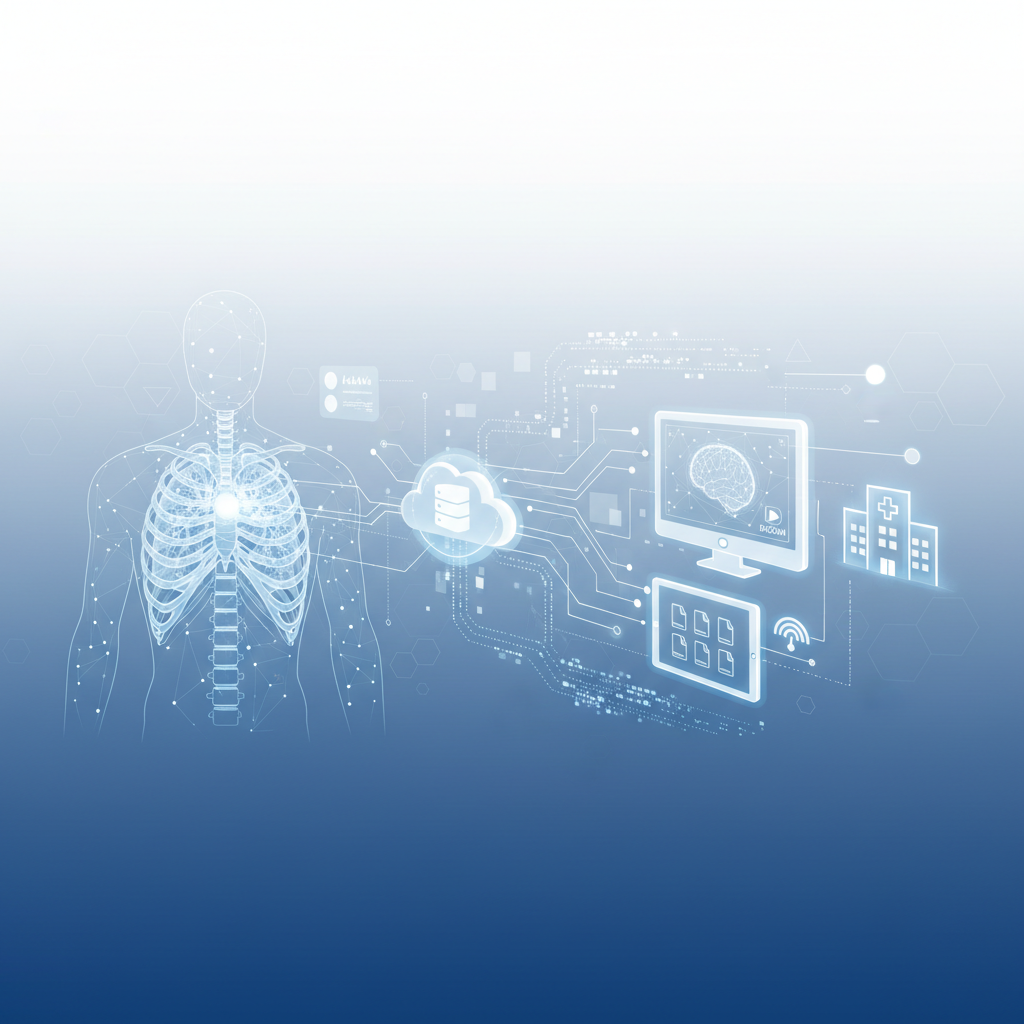
DICOM integration, short for Digital Imaging and Communications in Medicine integration, is the international standard for transmitting, storing, retrieving, printing, processing, and displaying medical imaging information. In an increasingly complex healthcare landscape, understanding and implementing robust diagnostic imaging services often hinges on effective DICOM integration. This foundational technology ensures that medical images and associated data can be exchanged seamlessly between different devices and systems, from modalities like MRI, CT, and X-ray machines to Picture Archiving and Communication Systems (PACS), Radiant Information Systems (RIS), Electronic Health Records (EHR), and even imaging operations platforms.
For healthcare administrators, radiologists, and IT professionals, strong DICOM integration isn't just a technical requirement—it's a strategic imperative. It underpins efficient workflows, enhances diagnostic accuracy, and ultimately contributes to improved patient care. Without proper DICOM integration, healthcare facilities face significant challenges in data management, operational efficiency, and interoperability across their imaging ecosystems.
The Critical Role of DICOM Integration in Radiology Workflows
DICOM integration serves as the universal language for medical images, ensuring that all devices involved in the imaging process can communicate effectively. This standardization is vital for creating streamlined and efficient radiology workflows. From the moment an image is acquired to its final clinical documentation and archival, DICOM standards define how the data is structured, formatted, and exchanged.
Key Aspects of DICOM Integration:
- Data Standardization: DICOM specifies the format for medical images and associated information (patient demographics, study parameters, image acquisition details). This uniformity is crucial for interoperability.
- Interoperability: It allows different medical devices and systems from various manufacturers to 'talk' to each other, preventing data silos and facilitating a holistic view of patient information.
- Workflow Automation: DICOM enables automated processes, such as sending images from an imaging modality to a PACS, automatically associating them with the correct patient record in an EHR, and routing them to the appropriate radiologist for clinical documentation, including remote radiology workflow support.
- Security and Privacy: While DICOM primarily focuses on data exchange, its integration often includes secure transmission protocols and anonymization features to comply with patient privacy regulations (e.g., HIPAA).
Benefits of Robust DICOM Integration
Implementing effective DICOM integration offers numerous advantages for healthcare providers, impacting everything from operational efficiency to patient safety. These benefits are particularly pronounced in complex environments requiring extensive data exchange, such as large hospital networks or imaging operations services.
Enhanced Operational Efficiency
Seamless DICOM integration significantly reduces manual tasks, data entry errors, and delays in image transfer. This translates to faster turnaround times for reports, optimizing the entire radiology workflow. For instance, images from an emergency CT scan can be instantly available to the emergency radiology services team, leading to quicker diagnoses and treatment initiation.
Improved Diagnostic Accuracy and Patient Safety
When images and patient data are consistently and accurately transmitted, radiologists have access to complete and correct information, leading to more precise diagnoses. This reduces the risk of misinterpretation caused by incomplete data or incompatible formats. Furthermore, robust integration supports radiology quality assurance, ensuring every image meets the required standards.
Cost Reduction and Resource Optimization
By streamlining operations and minimizing rework, DICOM integration contributes directly to radiology cost reduction. Facilities can optimize staff time, reduce the need for redundant equipment, and lower storage costs through efficient data management. This also positively impacts related areas like revenue cycle management and radiology billing services.
Facilitating imaging operations and Remote Workflows
For organizations leveraging human radiology services or veterinary imaging operations, robust DICOM integration is non-negotiable. It enables secure and efficient transfer of images to off-site radiologists, facilitating remote clinical documentation without compromising image quality or patient data integrity. This is vital for expanding access to specialized care and optimizing radiology staffing solutions.
Better Data Management and Archiving
With standardized data, archiving images becomes more efficient and reliable. DICOM integration ensures that images are stored consistently, making retrieval for future reference, comparative studies, or research purposes straightforward.
Common Challenges in DICOM Integration
Despite its critical importance, achieving seamless DICOM integration can present several challenges for healthcare providers. These often stem from the diverse ecosystem of medical devices and IT systems within a hospital or clinic.
Vendor Heterogeneity and System Compatibility
Healthcare facilities often use equipment and software from multiple vendors, each with specific implementations of the DICOM standard. Ensuring seamless communication between these disparate systems can be complex, requiring custom configurations or middleware solutions.
Data Migration and Legacy Systems
Integrating new systems with existing legacy infrastructure can be daunting. Migrating historical image data while ensuring its integrity and accessibility within the new DICOM-compliant environment requires careful planning and execution.
Security and Compliance Concerns
Transmitting and storing sensitive patient data necessitates stringent security measures. DICOM integration must align with HIPAA, GDPR, and other regulatory frameworks, ensuring data encryption, access controls, and audit trails.
Network Infrastructure and Bandwidth
Medical images, especially those from modalities like MRI and CT, are large files. Efficient DICOM integration requires robust network infrastructure and sufficient bandwidth to handle the high volume of data transfers without bottlenecks or delays.
Ongoing Maintenance and Updates
DICOM is a continuously evolving standard, and systems require regular updates and maintenance to remain compatible and secure. This necessitates ongoing IT support and expertise.
Best Practices for Successful DICOM Integration
To overcome the challenges and maximize the benefits of DICOM integration, healthcare organizations should adopt a strategic approach and adhere to established best practices.
1. Comprehensive Planning and Assessment
Before initiating any integration project, conduct a thorough assessment of your existing infrastructure, identifying all imaging modalities, PACS, RIS, EHR, and other systems that need to be integrated. Define clear objectives and scope for the integration.
2. Prioritize Interoperability Standards
Whenever possible, choose vendors and solutions that demonstrate strong adherence to DICOM and other interoperability standards like HL7. This minimizes compatibility issues down the line.
3. Leverage Integration Engines or Middleware
For complex environments with diverse systems, consider using integration engines or specialized middleware. These tools can act as translators between different systems, simplifying communication and enhancing medical imaging outsourcing workflows effectively.
4. Implement Robust Security Protocols
Ensure that all DICOM integration points are secured with modern encryption, access controls, and regular security audits. Data integrity and patient privacy must be paramount.
5. Invest in Network Infrastructure
Upgrade network infrastructure and bandwidth as needed to support rapid and reliable transmission of large image files. Consider dedicated networks for imaging data if volume is high.
6. Engage Stakeholders and Provide Training
Involve radiologists, technologists, IT staff, and administrators throughout the planning and implementation phases. Provide comprehensive training to ensure smooth adoption and efficient utilization of the integrated systems.
7. Regular Monitoring and Maintenance
Establish protocols for continuous monitoring of DICOM integration performance. Regularly update software and firmware for all connected devices to maintain compatibility and security.
8. Consider a Managed Service Provider
For organizations lacking in-house expertise, partnering with a vendor specializing in radiology workflow management and DICOM integration can be an effective solution, offering peace of mind and specialized support.
The Future of DICOM Integration: AI and Cloud Computing
The landscape of medical imaging is rapidly evolving, with artificial intelligence (AI) and cloud computing playing increasingly prominent roles. This progression will further shape the demands and capabilities of DICOM integration:
- AI Integration: DICOM integration will need to facilitate the seamless transfer of images to AI algorithms for analysis and then integrate the AI-generated insights back into the radiologist's workflow and patient reports. This requires new DICOM extensions and integration profiles.
- Cloud-Based PACS & Archiving: The migration of PACS and archiving solutions to the cloud necessitates robust DICOM integration with cloud platforms, ensuring secure, scalable, and accessible storage and retrieval of images from anywhere. This also has implications for radiology cost reduction by moving away from expensive on-premise solutions.
- Interoperability Beyond DICOM: While DICOM remains central, future integration will increasingly involve integrating imaging data with a broader range of clinical data sources, including genomics, pathology, and real-time patient monitoring, to create a truly holistic patient view.
- Enhanced Security and Blockchain: As data becomes more distributed, advanced security measures, potentially including blockchain technology, could be integrated with DICOM standards to ensure absolute data integrity and verifiable access logs.
Staying ahead in these areas will be crucial for healthcare providers aiming to leverage emerging technologies for enhanced patient care and operational efficiency.
Key Takeaways
DICOM integration is far more than a technical specification; it is the cornerstone of efficient, accurate, and interoperable medical imaging in modern healthcare. By enabling seamless data exchange, it directly impacts diagnostic quality, operational costs, and patient outcomes. While challenges exist, strategic planning, adherence to best practices, and foresight into future trends like AI and cloud integration can transform these hurdles into opportunities.
- DICOM integration is essential for seamless medical image exchange.
- Benefits include improved efficiency, diagnostic accuracy, and cost reduction.
- Challenges involve vendor diversity, legacy systems, and security.
- Best practices include rigorous planning, robust security, and continuous monitoring.
- Future trends like AI and cloud computing will reshape DICOM integration needs.
For organizations dedicated to optimizing their radiology services and ensuring the highest standard of patient care, prioritizing robust DICOM integration is an investment that yields significant returns. From enhancing radiology staffing solutions to enabling advanced veterinary imaging operations, its impact is undeniable. For tailored solutions and expert guidance on DICOM integration and radiology services, consider partnering with an industry leader – learn how RAD365 can help.
Frequently Asked Questions
1. What is DICOM integration?
DICOM integration refers to the process of connecting and configuring medical imaging devices and information systems to communicate and exchange digital images and related patient data using the Digital Imaging and Communications in Medicine (DICOM) standard. This ensures interoperability across various vendors and platforms.
2. Why is DICOM integration important for radiology departments?
DICOM integration is crucial for radiology departments because it enables efficient workflows, accurate image sharing, rapid clinical documentation, and seamless archiving of medical images. It directly impacts diagnostic speed, patient safety, and operational efficiency by standardizing data exchange.
3. What are the primary benefits of effective DICOM integration?
The primary benefits include enhanced operational efficiency, improved diagnostic accuracy, better patient safety, significant radiology cost reduction, facilitation of imaging operations services, and more streamlined data management and archiving processes.
4. How does DICOM integration support imaging operations services?
DICOM integration is fundamental to imaging operations by enabling the secure and rapid transmission of high-quality medical images from acquisition sites to remote radiologists for clinical documentation. This allows for expanded access to specialized care, optimizes radiology staffing solutions, and enhances turnaround times.
5. Can DICOM integration help reduce radiology costs?
Yes, effective DICOM integration can lead to significant radiology cost reduction by automating workflows, minimizing manual errors, reducing the need for redundant systems, improving staff efficiency, and optimizing storage solutions, especially when coupled with cloud archiving strategies.
6. What challenges are commonly faced during DICOM integration?
Common challenges include dealing with vendor heterogeneity and system compatibility issues, migrating data from legacy systems, ensuring stringent security and regulatory compliance, addressing network infrastructure and bandwidth requirements, and managing ongoing maintenance and updates.
7. How does DICOM integration affect patient data security?
DICOM integration must inherently incorporate robust security measures to protect patient data. This includes secure transmission protocols, encryption, access controls, and audit trails to ensure compliance with privacy regulations like HIPAA and GDPR.
8. What role does a PACS system play in DICOM integration?
A PACS (Picture Archiving and Communication System) is central to DICOM integration. It receives, stores, distributes, and displays DICOM images from various modalities, acting as a hub for radiologists to view and manage studies, often integrating with RIS and EHR systems.
9. What is the difference between DICOM and HL7?
DICOM is the standard for medical images and associated data, focusing on image acquisition, storage, and transmission. HL7 (Health Level Seven) is a standard for transmitting other types of clinical and administrative data, such as patient demographics, orders, and results within healthcare systems.
10. Is DICOM integration necessary for veterinary imaging operations?
Absolutely. DICOM integration is just as critical for veterinary imaging operations as it is for human radiology, allowing veterinary clinics to send diagnostic images securely and efficiently to specialist veterinary radiologists for expert clinical documentation, regardless of their physical location.
11. How do I ensure successful DICOM integration in my facility?
Successful DICOM integration requires comprehensive planning, prioritization of interoperability standards, potential use of integration engines, robust security protocols, investment in network infrastructure, engaging stakeholders, providing training, and implementing regular monitoring and maintenance.
12. Can cloud-based solutions be integrated with DICOM?
Yes, cloud-based solutions are increasingly being integrated with DICOM. This involves securely transferring DICOM images to cloud platforms for storage, archiving, and even AI analysis, offering scalability, accessibility, and potential radiology cost reduction compared to on-premise systems.
13. What is a DICOM viewer, and how does it relate to integration?
A DICOM viewer is software that allows users to view, manipulate, and analyze medical images stored in the DICOM format. DICOM integration ensures that these viewers can seamlessly access images from PACS archives, modalities, or imaging operations platforms for diagnostic clinical documentation.
14. How does DICOM integration impact radiology staffing solutions?
By enabling efficient remote image access through imaging operations, DICOM integration simplifies radiology staffing solutions. It allows facilities to tap into a wider pool of radiologists, manage workload fluctuations, and provide specialized clinical documentation regardless of physical location, improving resource allocation.
15. What are DICOM profiles, and why are they important?
DICOM profiles (e.g., IHE profiles) are specifications that combine specific DICOM services and messages to address particular clinical use cases or integration targets. They are important because they provide more specific guidance for vendors on how to implement DICOM to achieve interoperability for specific tasks.
16. How does AI integrate with DICOM images?
AI integrates with DICOM by requiring a seamless flow of images from modalities or archives to AI algorithms for processing. The AI's results (e.g., measurements, segmentations, risk scores) are then often encapsulated within DICOM SR (Structured Report) objects or integrated into the PACS for radiologist review.
17. Can DICOM integration improve workflow times?
Absolutely. By automating image routing, eliminating manual data entry, and providing instantaneous access to images and reports, DICOM integration significantly reduces turnaround times from image acquisition to diagnosis, thereby improving overall workflow efficiency.
18. What should I look for in a vendor for DICOM integration services?
When choosing a vendor, look for proven expertise in DICOM standards, a track record of successful integrations with diverse systems, strong security protocols, responsive support, compliance with industry regulations, and a forward-thinking approach to future technologies.
19. Is DICOM integration solely for diagnostic images, or does it include other data?
While primarily known for diagnostic images, DICOM also encompasses related information like patient demographics, study parameters, reporting structures (DICOM SR for Structured Reports), and even waveform data, making it a comprehensive standard for medical imaging data.
20. How does DICOM integration help in managing large volumes of medical images?
DICOM integration standardizes how large image files are structured, compressed, transmitted, and stored. This standardization, combined with efficient PACS and cloud archiving solutions, allows healthcare facilities to effectively manage, retrieve, and store vast volumes of medical images in an organized and accessible manner.
