Maximizing Efficiency: The Power of Remote Radiology Reporting
Explore the comprehensive benefits of remote radiology reporting, including faster turnaround times and improved patient care. Discover solutions for common challenges.
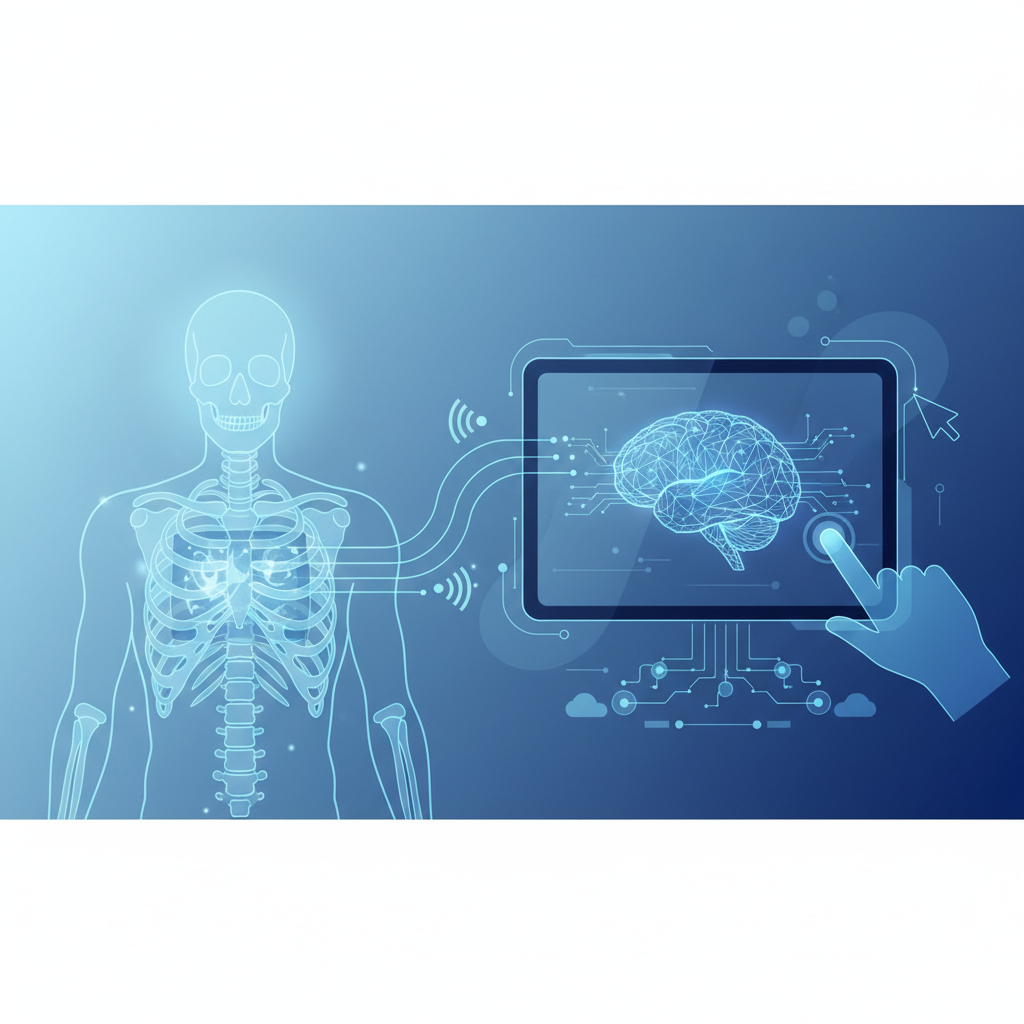
Maximizing Efficiency: The Power of Remote Radiology Reporting
In the rapidly evolving landscape of modern healthcare, the demand for efficient, accurate, and timely diagnostic services has never been higher. At the forefront of this evolution is remote radiology reporting, a practice that leverages technology to enable radiologists to manage medical images from locations outside the imaging facility. This revolutionary approach, often synonymous with imaging operations, plays a crucial role in ensuring continuous patient care, especially in areas with limited access to specialized medical professionals. It allows healthcare organizations to overcome geographical barriers, optimize resource allocation, and enhance diagnostic accuracy by tapping into a global network of expert radiologists.
The essence of remote radiology reporting lies in its ability to separate the physical location of image acquisition from image clinical documentation. This seamless integration of technology and medical expertise has transformed how healthcare providers deliver diagnostic services, offering flexibility and scalability previously unimaginable.
Understanding the Fundamentals of Remote Radiology Reporting
Remote radiology reporting involves the electronic transmission of radiological images (such as X-rays, CTs, MRIs, and ultrasounds) from one location to another for the purpose of clinical documentation and diagnosis. This process relies heavily on robust digital infrastructure, including picture archiving and communication systems (PACS radiology) and secure networks, to ensure the confidentiality and integrity of patient data.
At its core, imaging operations facilities the clinical documentation of medical images by qualified radiologists who may be located hundreds or thousands of miles away from where the scans were performed. This model significantly expands access to specialized radiological expertise, particularly benefiting rural hospitals, small clinics, and emergency departments that may not have full-time, on-site radiologists.
The Technological Backbone: PACS Radiology
Central to effective remote radiology reporting is the implementation of a sophisticated PACS radiology system. PACS (Picture Archiving and Communication System) is a medical imaging technology that provides economical storage and convenient access to images from multiple modalities. It electronically stores and transmits images, replacing hard-copy films with digital images. This system is indispensable for imaging operations, as it allows radiologists to view, manipulate, and report on studies from any internet-connected location, ensuring high diagnostic quality and efficient workflow.
In addition to PACS, secure high-speed internet connections, advanced workstations, and specialized reporting software are critical components that enable radiologists to perform their duties effectively and efficiently, maintaining optimal radiology report turnaround time.
Key Benefits of Implementing Remote Radiology Reporting
The adoption of remote radiology reporting offers a multitude of advantages for healthcare systems, patients, and radiologists alike. These benefits span operational efficiency, patient care quality, and financial viability.
- Enhanced Access to Expertise: Remote reporting enables healthcare facilities, especially those in underserved or remote areas, to access a wider pool of subspecialized radiologists. This ensures that even complex cases receive expert clinical documentation, improving diagnostic accuracy and patient outcomes.
- Faster Turnaround Times: One of the most significant benefits is the significant reduction in radiology report turnaround time. With radiologists available across different time zones or dedicated to rapid reporting, critical diagnoses can be made faster, leading to quicker treatment initiation and improved patient safety. This is particularly vital for emergency cases requiring immediate attention.
- 24/7/365 Coverage: Remote radiology solutions provide seamless after hours radiology coverage, weekend, and holiday coverage without requiring on-site staff. This ensures that urgent cases are never delayed, maintaining consistent care quality around the clock.
- Cost Efficiency: By outsourcing radiology services or utilizing remote staff, healthcare facilities can reduce operational costs associated with maintaining an in-house radiology department, including salaries, benefits, and equipment. This approach allows for scalable solutions that adapt to fluctuating demand without significant overhead. For more on cost efficiency, explore optimizing radiology services with outsourcing solutions.
- Improved Work-Life Balance for Radiologists: Remote work options can significantly improve radiologists' work-life balance, reducing burnout and increasing job satisfaction. This flexibility can attract and retain top talent in a competitive field.
- Disaster Preparedness and Business Continuity: In situations like natural disasters, pandemics, or local emergencies, remote radiology reporting ensures that diagnostic services can continue uninterrupted, supporting business continuity and patient care during crises.
Challenges in Remote Radiology Reporting and How to Overcome Them
Despite its numerous benefits, remote radiology reporting also presents certain challenges that need careful consideration and proactive solutions to ensure optimal performance and patient safety.
Technical and Infrastructural Hurdles
The reliability of remote radiology reporting heavily depends on robust technological infrastructure. Issues such as slow internet speeds, unreliable PACS systems, or insufficient cybersecurity measures can severely impact efficiency and data integrity. Addressing these requires significant investment in high-speed, secure networks and modern PACS radiology systems.
Regulatory Compliance and Licensing
Radiologists performing remote clinical documentation must be licensed in the states where the patients are located. Navigating the complex landscape of state medical board licensing requirements can be challenging, especially for services operating across multiple states or internationally. Robust credentialing and licensing management systems are essential to maintain compliance.
Communication and Collaboration
Effective communication between remote radiologists, referring physicians, and on-site staff is critical. Without direct face-to-face interaction, misunderstandings can arise. Implementing secure, integrated communication platforms and standardized protocols can facilitate seamless collaboration and ensure clear, concise diagnostic reports. The Radiology Workflow Manager can be a crucial tool here.
Quality Assurance and Standardization
Maintaining consistent quality across multiple remote radiologists can be a concern. Establishing rigorous quality assurance programs, regular peer reviews, and adherence to standardized reporting templates are vital to ensure diagnostic accuracy and consistency. For comprehensive quality services, consider exploring Human Radiology Services or Radiology workflow support.
Best Practices for Successful Remote Radiology Reporting Implementation
To maximize the advantages and mitigate the challenges associated with remote radiology reporting, healthcare organizations should adopt several best practices.
- Invest in Robust Technology: Prioritize state-of-the-art PACS radiology systems, secure data transmission protocols, and reliable high-speed internet. Ensure all systems are regularly updated and maintained to prevent downtime.
- Develop Comprehensive Service Level Agreements (SLAs): Clearly define expectations regarding radiology report turnaround time, critical result communication, and quality metrics with any external remote reporting providers.
- Implement Strong Cybersecurity Measures: Protect patient data with advanced encryption, multi-factor authentication, and regular security audits. Compliance with HIPAA and other data protection regulations is paramount.
- Streamline Workflow and Communication: Utilize integrated communication platforms that allow for real-time collaboration between remote radiologists and referring clinicians. Implement a Radiology Workflow Manager to ensure smooth operations and efficient routing of studies.
- Focus on Radiologist Support and Training: Provide remote radiologists with access to necessary tools, ongoing training, and support to ensure they can perform their duties effectively and maintain high diagnostic accuracy.
- Regular Quality Assurance and Feedback: Establish a robust quality control program, including regular peer review and performance feedback, to ensure consistent high-quality clinical documentation. This is foundational for effective Radiology workflow support.
The Future of Remote Radiology Reporting
The trajectory of remote radiology reporting is set towards further innovation and integration. Artificial intelligence (AI) and machine learning (ML) are poised to play an increasingly significant role, assisting radiologists in image analysis, anomaly detection, and workflow prioritization. These technologies can further reduce radiology report turnaround time and enhance diagnostic accuracy.
We can expect to see more specialized imaging operations services, catering to specific medical fields like oncology or neurology. The trend towards distributed models of care will only amplify the importance of remote diagnostics, making it an indispensable component of global healthcare delivery. For those interested in innovative solutions, exploring Understanding imaging operations: A Comprehensive Guide can offer deeper insights.
Furthermore, remote solutions for veterinary diagnostics are also gaining traction, with Veterinary Radiology Services adopting similar models to provide expert clinical documentation for animal care.
Key Takeaways
Remote radiology reporting is more than just a convenience; it's a critical component of modern healthcare infrastructure. By embracing this technology, healthcare providers can:
- Enhance access to specialized radiological expertise.
- Significantly reduce radiology report turnaround time, particularly for urgent cases.
- Ensure comprehensive after hours radiology coverage and 24/7 availability.
- Improve cost efficiency and operational flexibility.
- Maintain high standards of patient care and diagnostic accuracy.
The journey to fully optimize remote radiology reporting involves strategic investments in technology, strict adherence to regulatory standards, and a commitment to continuous quality improvement and effective communication. As healthcare continues to evolve, the role of remote diagnostics will undoubtedly expand, shaping a more accessible and efficient future for medical imaging.
For organizations looking to optimize their radiology services and enhance their Revenue Cycle Management, leveraging expert Human Radiology Services can provide significant advantages. Discover how a dedicated team can support your diagnostic needs and improve your healthcare revenue cycle management strategies. Similarly, for comprehensive support in this domain, considering Optimizing Healthcare Revenue Cycle Management is key to sustained success.
If your organization is seeking to enhance its remote radiology capabilities and streamline operations, consider exploring the specialized solutions offered by RAD365.
Frequently Asked Questions
1. What is remote radiology reporting?
Remote radiology reporting, also known as imaging operations, is the practice of transmitting medical images (like X-rays, CTs, MRIs) electronically to radiologists located off-site for clinical documentation and diagnosis. This enables faster reports and access to specialized expertise regardless of geographical distance.
2. How does remote radiology reporting improve patient care?
It improves patient care by reducing radiology report turnaround time, ensuring 24/7/365 coverage for urgent cases, providing access to subspecialized radiologists, and enhancing diagnostic accuracy, especially in areas with limited local resources.
3. What technology is essential for effective remote radiology reporting?
Key technologies include a robust PACS radiology system for image storage and retrieval, secure high-speed internet connections, advanced reporting workstations, and specialized imaging operations software to facilitate efficient image transmission and clinical documentation.
4. Can remote radiology reporting help with after hours radiology coverage?
Yes, absolutely. Remote radiology reporting is exceptionally effective for providing seamless after hours radiology coverage, weekends, and holidays, ensuring that emergency cases receive timely clinical documentation without the need for on-site radiologists around the clock.
5. What are the main benefits of adopting remote radiology reporting?
The main benefits include enhanced access to specialized expertise, faster radiology report turnaround times, 24/7 coverage, cost efficiency by reducing overhead, and improved work-life balance for radiologists, contributing to better overall operational efficiency.
6. What challenges are associated with remote radiology reporting?
Challenges include ensuring robust technical infrastructure, navigating complex multi-state licensing and regulatory compliance, maintaining effective communication and collaboration, and ensuring consistent quality assurance across different radiologists.
7. How does remote radiology differ from traditional on-site radiology?
Remote radiology separates the location of image acquisition from image clinical documentation, utilizing digital transmission, while traditional radiology involves a radiologist physically present at the imaging facility to manage studies.
8. What is PACS radiology and its role in remote reporting?
PACS (Picture Archiving and Communication System) radiology is a medical imaging technology that digitally stores and transmits images, making them accessible to radiologists from any location with internet access. It's the backbone for efficient and secure remote radiology reporting.
9. How can healthcare facilities ensure high-quality remote radiology clinical documentation?
They can ensure high quality through rigorous quality assurance programs, regular peer reviews, standardized reporting templates, continuous training for radiologists, and clear service level agreements with remote reporting providers.
10. Is remote radiology reporting cost-effective for hospitals?
Yes, it can be highly cost-effective by reducing the need for full-time in-house radiologists, decreasing overhead associated with staffing a full department, and optimizing resource allocation based on demand.
11. What is a typical radiology report turnaround time for remote services?
Typical radiology report turnaround times for remote services can range from minutes for critical emergent cases to a few hours for routine studies, significantly faster than traditional methods, depending on the service level agreement.
12. How is patient data kept secure in remote radiology reporting?
Patient data is secured through advanced encryption, adherence to strict regulatory standards like HIPAA, multi-factor authentication, secure VPN connections, and regular cybersecurity audits to protect against breaches.
13. Can AI play a role in the future of remote radiology reporting?
Yes, AI and machine learning are expected to play a significant role by assisting in image analysis, flagging anomalies, prioritizing studies based on urgency, and further improving diagnostic efficiency and radiology report turnaround time.
14. Do remote radiologists need to be licensed in every state they read for?
Yes, radiologists performing remote clinical documentation must be licensed in the state where the patient receiving the medical service is located, necessitating a comprehensive approach to credentialing and multi-state licensing.
15. What types of imaging studies can be manage via remote radiology reporting?
Virtually all types of medical imaging studies can be manage remotely, including X-rays, CT scans, MRIs, ultrasounds, mammograms, and nuclear medicine scans, provided there is adequate image quality and data transmission.
16. How do remote radiologists communicate critical findings to referring physicians?
Critical findings are communicated through established, secure protocols, which may include direct phone calls, secure messaging systems integrated with the PACS radiology system, or immediate alerts within the electronic health record (EHR).
17. Is remote radiology suitable for all healthcare settings?
Remote radiology is highly adaptable and suitable for a wide range of healthcare settings, including small clinics, rural hospitals, large medical centers, emergency departments, and even mobile imaging units, enhancing access to specialized care everywhere.
18. What factors should be considered when choosing a remote radiology reporting provider?
Factors include their radiologists' subspecialty expertise, technology stack (especially PACS radiology capabilities), regulatory compliance, turnaround time guarantees, quality assurance processes, and client support.
19. How does remote radiology contribute to disaster preparedness?
It contributes significantly by ensuring business continuity. In the event of local emergencies, natural disasters, or pandemics, remote radiologists can continue providing diagnostic services, maintaining patient care when on-site operations are disrupted.
20. Can remote radiology support specialized areas like veterinary radiology?
Yes, the principles of remote radiology reporting are also applied in specialized fields like veterinary radiology, enabling veterinarians to access expert clinical documentation for animal imaging studies, improving diagnostic accuracy in animal care.
