Optimizing Care with Medical Imaging Outsourcing
Explore the comprehensive guide to medical imaging outsourcing, covering benefits, challenges, and best practices for healthcare providers. Enhance patient care and operational efficiency.
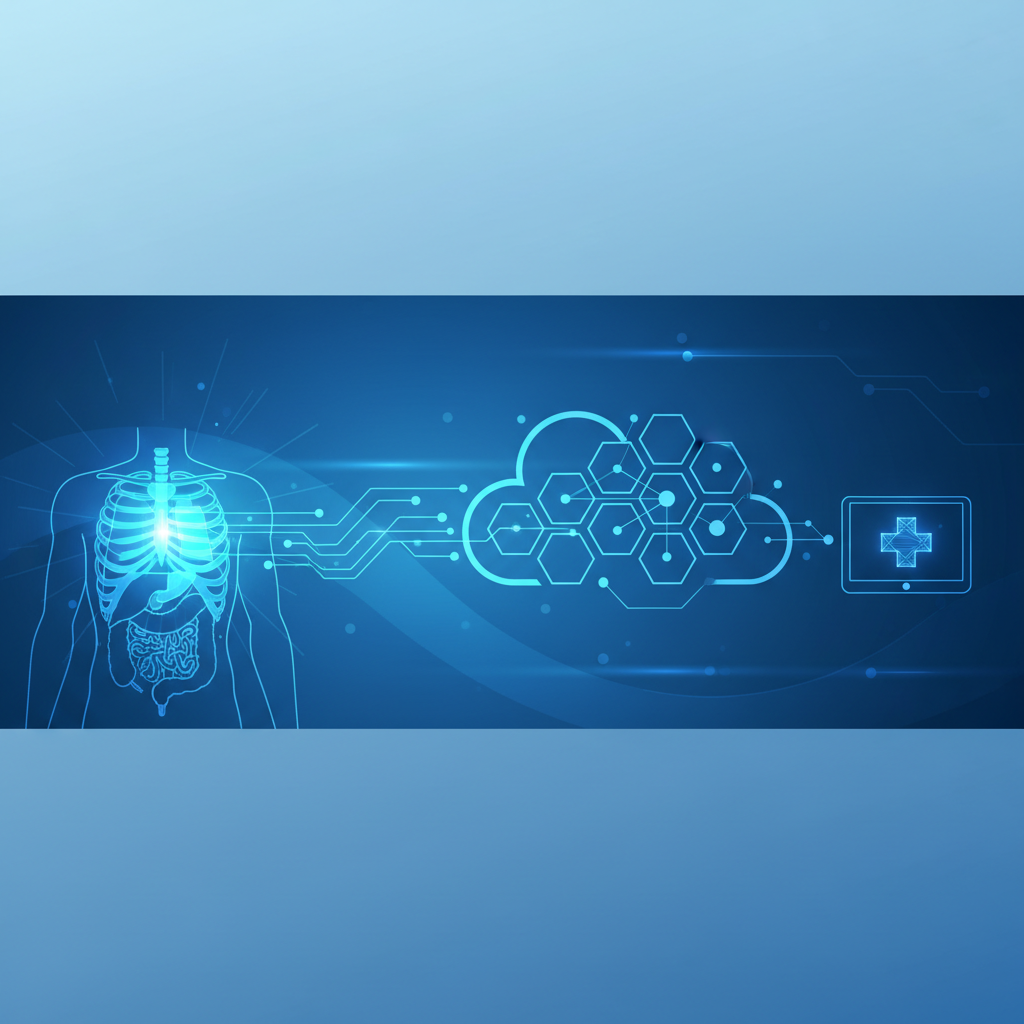
Understanding Medical Imaging Outsourcing in Modern Healthcare
Medical imaging outsourcing refers to the practice where healthcare facilities contract with external providers to perform or manage diagnostic imaging services. This strategic approach has grown significantly, driven by the increasing demand for specialized diagnostics, rising operational costs, and the need for round-the-clock coverage. From small clinics to large hospital networks, organizations are increasingly looking to external partners to optimize their radiology departments, ensuring high-quality patient care while managing resources efficiently.
The landscape of healthcare is constantly evolving, making advanced diagnostic imaging services more critical than ever. Outsourcing in this domain allows facilities to access a wider pool of radiologists, advanced technology, and streamlined workflows without the overhead of maintaining an extensive in-house department. This not only improves service delivery but also contributes to better patient outcomes through timely and accurate diagnoses.
The Driving Forces Behind Medical Imaging Outsourcing Adoption
Several key factors contribute to the rising trend of medical imaging outsourcing:
- Radiologist Shortages: Many regions face a significant shortage of qualified radiologists, especially subspecialists. Outsourcing provides a viable solution to bridge this gap.
- Cost Efficiency: Reducing overheads associated with staffing, equipment, and IT infrastructure is a major draw. External providers often offer economies of scale.
- Access to Subspecialty Expertise: Hospitals and imaging centers can gain immediate access to a wide range of subspecialists (e.g., neuroradiology, musculoskeletal radiology) that they might not be able to afford or retain in-house. This is particularly crucial for complex cases and improving the evolving landscape of subspecialty radiology.
- 24/7 Coverage: Ensuring continuous coverage, especially for human radiology services, including off-hours, weekends, and holidays, is a challenge for many facilities. Outsourcing guarantees this critical availability, often through dedicated after hours radiology coverage.
- Technology Access: Outsourcing partners typically leverage cutting-edge technology, including advanced PACS systems and AI-powered tools, which might be prohibitively expensive for individual facilities to implement.
Key Benefits of Medical Imaging Outsourcing for Healthcare Facilities
Engaging in medical imaging outsourcing offers a multitude of advantages that can significantly enhance a healthcare organization's operational efficiency and patient care quality.
Enhanced Efficiency and Cost Reduction
- Operational Streamlining: Outsourcing companies often have highly optimized workflows, leading to faster report turnaround times and increased efficiency in radiology workflow support.
- Reduced Administrative Burden: The external partner handles staffing, credentialing, and sometimes even aspects of revenue cycle management, freeing up internal resources.
- Scalability: Facilities can easily scale their radiology services up or down based on patient volume, without the need for significant capital investment in personnel or equipment.
- Predictable Costs: Outsourcing often converts variable costs into predictable contractual expenses, aiding budget management.
Improved Patient Care and Access to Expertise
Quality of care is paramount, and medical imaging outsourcing plays a vital role in elevating it.
- Access to Specialists: Patients benefit from clinical documentation by highly specialized radiologists, leading to more accurate diagnoses and treatment plans. This level of subspecialty access is often difficult to achieve with in-house teams alone.
- Faster Turnaround Times: Especially beneficial for emergency cases, outsourced radiology workflow support can provide rapid clinical documentation, crucial for timely medical intervention. This is particularly true for emergency radiology services, where quick diagnoses can mean the difference between life and death.
- 24/7 Coverage: Ensuring continuous expert review, even during off-hours, maintains a high standard of patient care around the clock.
- Consistent Quality: Reputable outsourcing partners adhere to strict quality protocols, often exceeding the benchmarks of smaller, independent practices.
Navigating Challenges and Ensuring Quality in Outsourced Imaging
While the benefits are clear, successful medical imaging outsourcing requires careful consideration of potential challenges and robust strategies for mitigation.
Addressing Integration and Communication Concerns
One of the primary challenges lies in seamlessly integrating external services with existing hospital systems. Effective communication is key.
- DICOM Integration: Ensuring smooth DICOM integration is crucial. Outsourcing partners must be able to securely receive and transmit images in a standardized format, integrating with the facility's PACS and EMR systems without disruption. This ensures a seamless flow of imaging data and reports.
- Workflow Harmonization: Establishing clear protocols for image transfer, report delivery, and critical findings alerts is essential to maintain efficient operations. A robust radiology workflow manager can be instrumental here.
- Communication Channels: Regular and clear communication channels between the outsourcing provider and the in-house clinical team prevent misunderstandings and facilitate consultations.
Maintaining High Standards of Radiology Quality Assurance
Radiology quality assurance is non-negotiable. Healthcare facilities must ensure that outsourced services meet or exceed their internal standards.
- Service Level Agreements (SLAs): Comprehensive SLAs should detail expected turnaround times, report quality metrics, subspecialty coverage, and communication protocols.
- Credentialing and Licensing: Verify that all radiologists are board-certified, properly licensed in the relevant states, and have a clean professional record.
- Peer Review and Auditing: Implement a system for regular peer review of outsourced reports and periodic audits to monitor quality and compliance.
- Feedback Mechanisms: Establish a clear process for providing feedback to the outsourcing partner and addressing any concerns promptly. This continuous feedback loop is vital for maintaining high standards in medical imaging outsourcing.
Best Practices for Successful Medical Imaging Outsourcing
To maximize the advantages of medical imaging outsourcing, healthcare organizations should follow a structured approach.
Selecting the Right Outsourcing Partner
The choice of partner is critical. Consider:
- Expertise and Subspecialty Coverage: Does the provider offer the specific subspecialty expertise your facility needs? For instance, do they excel in veterinary radiology services if that's a requirement, or do they have a strong team for complex human cases?
- Technological Capabilities: Assess their PACS, RIS, and radiology workflow manager systems, ensuring robust DICOM integration and security.
- Reputation and References: Seek out providers with strong track records and positive client testimonials.
- Accreditation and Compliance: Ensure they adhere to all relevant regulatory standards (e.g., HIPAA, state licensing boards) and hold appropriate accreditations.
Implementing and Managing the Outsourcing Relationship
Strategic implementation is as important as selection.
- Clear Communication Framework: Establish defined communication channels, points of contact, and escalation procedures.
- Phased Implementation: Consider a phased rollout to identify and address any issues before full integration.
- Performance Monitoring: Regularly track key performance indicators (KPIs) outlined in the SLA, such as turnaround times, accuracy rates, and physician satisfaction. This is crucial for continuous radiology quality assurance.
- Regular Reviews: Schedule periodic business reviews with the outsourcing partner to discuss performance, address challenges, and plan for future needs.
The Future of Medical Imaging Outsourcing
The trajectory of medical imaging outsourcing is hacia growth, driven by technological advancements and evolving healthcare demands.
Impact of Artificial Intelligence and Machine Learning
AI is set to further revolutionize radiology. Outsourcing partners are at the forefront of adopting these technologies to enhance diagnostic accuracy and efficiency. AI in imaging can assist in flagging critical cases, quantifying disease burden, and improving workflow, making outsourced services even more compelling.
Expanding Subspecialty and Global Coverage
As healthcare becomes more complex, the demand for highly specialized clinical documentation will only grow. Outsourced models can provide this expertise on a global scale, connecting facilities to a diverse pool of talent. The evolution of emergency radiology services will also benefit significantly from these advancements.
Telehealth and Remote Diagnostics Integration
The rise of telehealth will further solidify the need for robust remote diagnostic capabilities. Medical imaging outsourcing providers are perfectly positioned to integrate with virtual care platforms, offering seamless diagnostic support for remote consultations.
Key Takeaways on Medical Imaging Outsourcing
Medical imaging outsourcing offers a compelling solution for healthcare organizations striving to provide high-quality, cost-effective diagnostic services. By leveraging external expertise, facilities can overcome challenges like radiologist shortages, manage operational costs, and gain access to specialized clinical documentation 24/7. Success hinges on selecting the right partner, establishing clear communication, and maintaining rigorous radiology quality assurance standards, including seamless DICOM integration and robust support for emergency radiology services. As technology advances, outsourcing will continue to play an increasingly vital role in shaping the future of healthcare.
Ready to explore how expert human radiology services can transform your practice? Discover how RAD365 optimizes radiology workflows, ensuring superior patient care and operational efficiency.
Frequently Asked Questions
1. What specifically is medical imaging outsourcing?
Medical imaging outsourcing is the practice where healthcare facilities contract with external providers to perform or manage diagnostic imaging services, including X-rays, CT scans, MRIs, and ultrasounds. This allows facilities to leverage specialized expertise and technology without maintaining an extensive in-house radiology department.
2. Why do healthcare facilities choose medical imaging outsourcing?
Facilities opt for medical imaging outsourcing to address radiologist shortages, reduce operational costs, gain access to subspecialty expertise, ensure 24/7 coverage, and integrate advanced technology like improved DICOM integration without significant capital investment.
3. What are the primary benefits for patients from outsourced medical imaging?
Patients benefit from faster diagnoses, access to highly specialized radiologists for complex cases, consistent quality of clinical documentation, and continuous care thanks to 24/7 coverage, especially crucial for emergency radiology services.
4. How does medical imaging outsourcing impact cost efficiency?
It significantly reduces costs by minimizing the need for in-house staffing, equipment maintenance, and IT infrastructure. It also converts variable operational costs into predictable contractual expenses, aiding budget management.
5. What is the role of DICOM integration in medical imaging outsourcing?
DICOM integration is crucial as it ensures the seamless, secure transfer of medical images between the healthcare facility and the outsourcing provider. Proper integration prevents data loss, speeds up workflow, and allows for efficient diagnosis.
6. How can quality be assured in outsourced medical imaging services?
Quality assurance is maintained through comprehensive Service Level Agreements (SLAs), rigorous radiologist credentialing, regular peer reviews, performance monitoring with KPIs, and established feedback mechanisms to address any concerns promptly.
7. What challenges might arise with medical imaging outsourcing?
Potential challenges include ensuring seamless IT integration, maintaining effective communication channels between in-house and outsourced teams, managing data security and privacy, and ensuring the external provider aligns with the facility's specific quality standards.
8. Can outsourcing provide access to subspecialty radiologists?
Yes, one of the significant advantages of medical imaging outsourcing is the ability to access a broad spectrum of subspecialty radiologists (e.g., neuroradiology, musculoskeletal radiology) that many individual facilities might not be able to afford or retain in-house.
9. Is 24/7 coverage available through medical imaging outsourcing?
Absolutely. Outsourcing partners typically offer full 24/7/365 coverage, ensuring that imaging studies are read promptly at any time, which is essential for emergency radiology services and critical patient care scenarios.
10. What specific services are typically outsourced in medical imaging?
Commonly outsourced services include imaging operations (remote clinical documentation of images), case coordination for emergency departments, case completion, subspecialty case activity, and sometimes even medical billing and revenue cycle management related to imaging.
11. How long does it take to implement medical imaging outsourcing?
Implementation timelines vary based on the complexity of the facility's existing systems and the scope of services. A phased implementation approach often takes several weeks to a few months to ensure smooth integration and proper workflow alignment.
12. What should be included in a Service Level Agreement (SLA) for medical imaging outsourcing?
An SLA should detail expected turnaround times, report quality metrics, subspecialty coverage, communication protocols, data security measures, dispute resolution processes, and pricing structures.
13. How does medical imaging outsourcing support emergency radiology services?
Outsourcing provides swift, expert clinical documentation for emergency cases around the clock, significantly reducing turnaround times for critical diagnoses. This directly translates to faster treatment decisions and improved patient outcomes in urgent situations.
14. Are outsourced radiologists board-certified?
Reputable medical imaging outsourcing providers only contract with board-certified, licensed radiologists who meet rigorous credentialing standards, often exceeding the requirements for in-house staff.
15. What is the impact of AI on medical imaging outsourcing services?
AI enhances outsourcing services by improving diagnostic accuracy, expediting critical case identification, automating routine tasks, and streamlining workflows. Outsourcing partners often lead in adopting these technologies.
16. Can medical imaging outsourcing cater to specific subspecialties like veterinary radiology?
Yes, many outsourcing providers offer specialized services. While human radiology services are common, some companies also specialize in niche areas like veterinary radiology, providing expert clinical documentation for animal imaging.
17. How does medical imaging outsourcing relate to imaging operations?
Medical imaging outsourcing often encompasses imaging operations, which is the remote clinical documentation of radiological images. imaging operations is a primary method through which outsourced radiology services are delivered, allowing radiologists to access studies from anywhere.
18. What data security measures are in place with outsourced imaging?
Reputable outsourcing partners employ robust data encryption, secure VPNs, HIPAA-compliant systems, and stringent access controls to protect patient data during image transfer and storage, ensuring confidentiality and integrity.
19. How do smaller clinics benefit from medical imaging outsourcing?
Smaller clinics particularly benefit by gaining access to subspecialty expertise and 24/7 coverage that would be cost-prohibitive to maintain in-house. It allows them to offer a wider range of diagnostic services and enhance patient care without a large investment.
20. What trends are shaping the future of medical imaging outsourcing?
Future trends include greater integration of AI and machine learning, expansion of global subspecialty coverage, seamless integration with telehealth platforms, and increased focus on value-based care models, all designed to further optimize diagnostic efficiency and accuracy.
