Optimizing Patient Care with After Hours Radiology Coverage
Ensure seamless patient care and diagnostic accuracy with expert after hours radiology coverage. Discover best practices and solutions for your facility. Learn more!
Optimizing Patient Care with After Hours Radiology Coverage
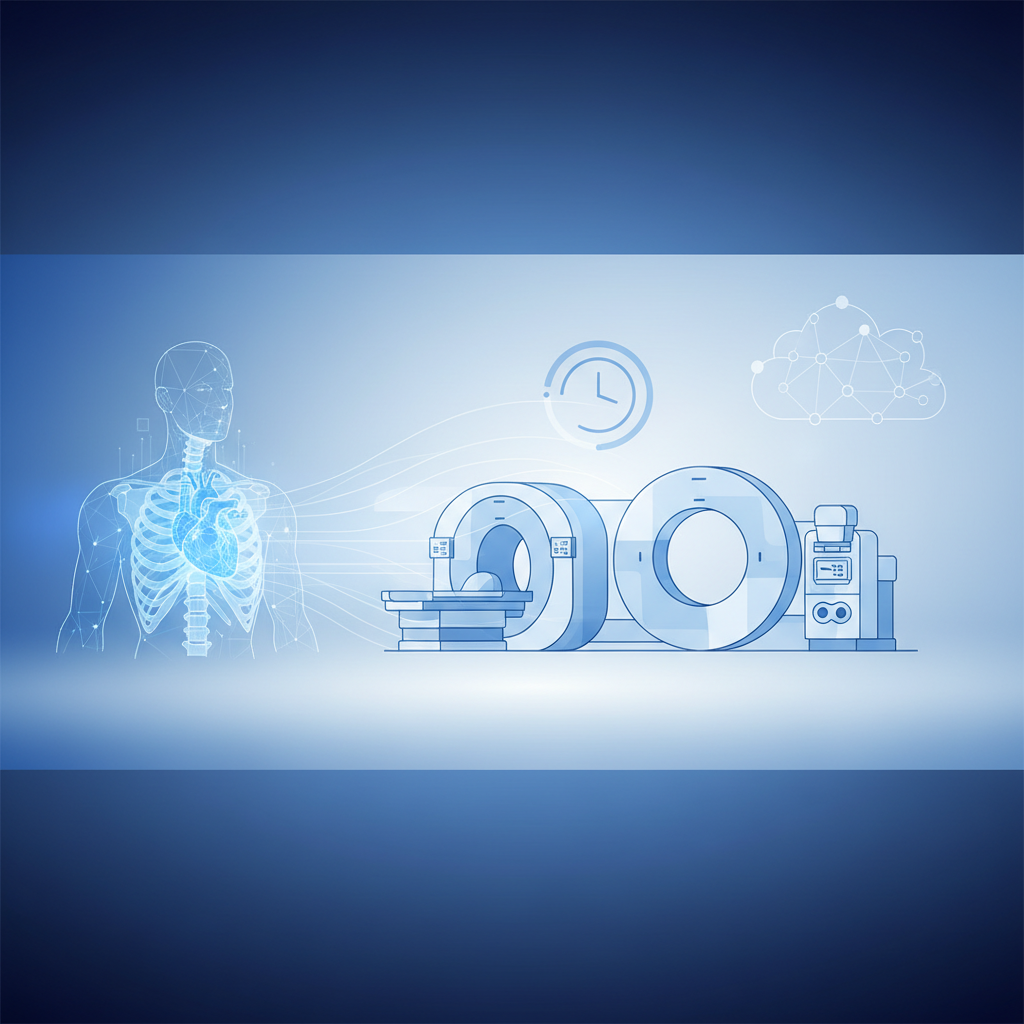
In the dynamic landscape of modern healthcare, patient needs don't adhere to a 9-to-5 schedule. Emergency departments, urgent care centers, and critical care units operate around the clock, necessitating continuous support for human radiology services. This is where after hours radiology coverage becomes indispensable, ensuring that diagnostic imaging services are available anytime, day or night, to inform critical medical decisions and improve patient outcomes.
After hours radiology coverage refers to the provision of professional clinical documentation of diagnostic images (such as X-rays, CT scans, MRIs, and ultrasounds) by qualified radiologists during evenings, nights, weekends, and holidays. Its primary goal is to maintain the same high standard of care for patients admitted during off-peak hours as those seen during regular clinic times. This article will delve into the critical aspects of effective after-hours radiological support, covering its benefits, common challenges, and innovative solutions.
The Critical Role of After Hours Radiology Coverage
The demand for immediate and accurate diagnostic assessments is constant. Whether it's a trauma patient arriving at the emergency room on a Saturday night or a sudden onset of symptoms requiring urgent imaging on a holiday, timely image clinical documentation is paramount. Effective after hours radiology coverage directly impacts patient safety, hospital workflows, and overall clinical efficiency.
- Improved Patient Outcomes: Rapid diagnosis during critical situations can literally be life-saving, guiding clinicians to appropriate and timely interventions.
- Reduced Length of Stay: Quicker diagnoses can lead to faster treatment plans, potentially reducing hospital stay durations and alleviating hospital bed shortages.
- Enhanced Clinician Confidence: Emergency physicians and other specialists rely on immediate radiology reports to make informed decisions, reducing diagnostic uncertainty during off-hours.
- Compliance and Accreditation: Many healthcare accreditation bodies emphasize the importance of continuous diagnostic support, making robust after-hours solutions a necessity.
Benefits of Robust After Hours Radiology Coverage
Investing in comprehensive after hours radiology coverage yields significant advantages for healthcare organizations, from improving patient care to optimizing operational efficiency.
Enhanced Patient Safety and Care Quality
The foremost benefit is the consistent delivery of high-quality patient care, regardless of the time. When a patient presents with acute symptoms, an urgent diagnosis can mean the difference between minor intervention and severe complications. This continuous support ensures that no patient suffering from a critical condition waits for a diagnosis until morning, reinforcing the healthcare facility's commitment to patient well-being.
Operational Efficiency and Cost Savings
- Streamlined Workflow: With remote radiology workflow support, workflow is often more efficient. Radiologists can manage studies from anywhere, often leveraging advanced technology to manage workloads effectively. Read more about Unlocking Efficiency: The Power of Remote Radiology Reporting.
- Reduced Overtime Costs: Outsourcing after-hours services can sometimes be more cost-effective than staffing an in-house radiologist for night shifts and weekends, reducing overtime expenses and staff burnout.
- Faster Emergency Department Throughput: Timely reports help clear ED bottlenecks, leading to shorter wait times and improved patient satisfaction scores.
Access to Subspecialty Radiology Expertise
Many imaging operations providers offering after hours radiology coverage boast a deep bench of radiologists with various subspecialty radiology expertise. This means that even during off-hours, complex cases – such as neurological emergencies or intricate musculoskeletal injuries – can be read by a specialist, leading to more accurate diagnoses than a general radiologist might provide. This access to specialized knowledge is invaluable, especially in smaller hospitals or rural settings where subspecialists may not be readily available.
Challenges in Providing After Hours Radiology Coverage
Despite its critical importance, establishing and maintaining effective after hours radiology coverage presents several unique challenges for healthcare providers.
Staffing Shortages and Burnout
Recruiting and retaining qualified radiologists, especially those willing to work night shifts and weekends, is a perennial challenge. The demanding nature of on-call work can lead to burnout among in-house staff, impacting morale and the quality of clinical documentation. According to a recent survey, over 60% of radiologists report experiencing burnout at some point in their careers, with after-hours call often being a significant contributor.
Technological Integration and Connectivity
Seamless integration with existing hospital PACS (Picture Archiving and Communication System) and EMR (Electronic Medical Record) systems is essential for smooth after-hours operations. Issues with network connectivity, system compatibility, or PACs access can severely hinder the ability of remote radiologists to provide timely reports. Understanding Understanding PACS Radiology: A Comprehensive Guide is vital here.
Maintaining Quality and Turnaround Times
Ensuring consistent quality and adherence to strict turnaround times can be difficult, particularly under pressure during high-volume periods or with complex cases. This is where a robust Radiology Workflow Manager becomes beneficial, orchestrating study assignments and report delivery efficiently.
Solutions and Best Practices for After Hours Radiology Coverage
Overcoming these challenges requires strategic planning and leveraging cutting-edge solutions, often incorporating imaging operations and advanced technology.
Leveraging imaging operations for Expanded Coverage
imaging operations has emerged as the leading solution for how radiology outsourcing improves patient care, particularly for after-hours needs. By transmitting images digitally to remote radiologists, hospitals can access a wider pool of talent, including subspecialists, without the need for in-house presence. This ensures continuous diagnostic imaging services and expert clinical documentation.
Key advantages:
- 24/7/365 Availability: imaging operations groups are structured to provide continuous coverage, minimizing gaps in service.
- Access to Subspecialists: Facilities gain access to a diverse group of radiologists, including those with subspecialty radiology expertise, enhancing diagnostic accuracy.
- Scalability: imaging operations services can easily scale up or down based on patient volume and demand.
Implementing Radiology AI and Advanced Technology
The integration of radiology AI (Artificial Intelligence) is revolutionizing after hours radiology coverage. AI algorithms can triage studies, highlighting critical findings for radiologists, thereby reducing radiology report turnaround time and improving efficiency. AI tools can also assist in detecting subtle abnormalities that might be missed during periods of high workload or fatigue, thereby elevating diagnostic accuracy.
Other technological enhancements include:
- Cloud-Based PACS: Offers greater flexibility and accessibility for remote radiologists.
- Secure Data Transmission: Ensures patient data privacy and compliance with regulations like HIPAA.
- Advanced Workflow Management Systems: Automate study routing and load balancing to optimize radiologist efficiency.
Establishing Clear SLAs and Communication Protocols
When partnering with an external provider for after hours radiology coverage, establishing clear Service Level Agreements (SLAs) is crucial. These agreements should define:
- Turnaround Times: Specific windows for different types of studies (e.g., STAT, urgent, routine).
- Communication Channels: Protocols for critical findings and direct communication between referring clinicians and radiologists.
- Quality Assurance: Metrics and processes for monitoring report accuracy and consistency.
For more detailed strategies, refer to After-Hours Radiology Coverage: Strategies for Quality Patient Care.
Future Trends in After Hours Radiology Coverage
The landscape of after hours radiology coverage is continuously evolving, driven by technological advancements and changing healthcare demands. We anticipate several key trends shaping its future:
Increased Role of AI in Triage and Diagnosis
Radiology AI will play an even more significant role, moving beyond simple triage to potentially assisting in case coordination diagnoses and quantifying disease progression. This will particularly benefit after hours radiology coverage by streamlining workflows and supporting radiologists in making faster decisions.
Greater Integration of Subspecialists
As imaging operations networks expand, access to various subspecialty radiology experts will become even more seamless, ensuring that every complex case, regardless of submission time, is reviewed by the most appropriate specialist.
Focus on Value-Based Care
Providers of diagnostic imaging services will increasingly focus on outcomes and value, with performance metrics extending beyond turnaround times to encompass diagnostic accuracy and impact on patient management.
Cybersecurity and Data Protection
With greater reliance on digital transmission and cloud storage, advanced cybersecurity measures will be paramount to protect sensitive patient data, especially for after hours radiology coverage where data transmission occurs across different networks and geographical locations.
Key Takeaways
Effective after hours radiology coverage is not merely a convenience; it's a fundamental component of high-quality, patient-centered healthcare. It ensures that critical diagnostic insights are available around the clock, enhancing patient safety, improving outcomes, and supporting efficient hospital operations. By embracing imaging operations, integrating radiology AI, and establishing clear operational protocols, healthcare facilities can overcome the challenges associated with off-hours imaging and deliver continuous, expert diagnostic care.
For organizations seeking to optimize their revenue cycle management while ensuring top-tier diagnostic services, partnering with an experienced provider of after hours radiology coverage can be a strategic move. This not only bolsters clinical capabilities but also fortifies the financial health of the institution.
Discover how seamless after hours radiology coverage can transform your operations and elevate patient care. Contact us today to explore tailored solutions.
Frequently Asked Questions
1. What is after hours radiology coverage?
After hours radiology coverage refers to the provision of professional clinical documentation of diagnostic images by qualified radiologists outside of standard business hours, including evenings, nights, weekends, and holidays. Its purpose is to ensure continuous access to vital diagnostic imaging services for patients in emergency, urgent, and critical care settings.
2. Why is after hours radiology coverage important for hospitals?
It is crucial for hospitals to ensure timely diagnoses, improve patient outcomes, reduce emergency department wait times, and enhance overall operational efficiency. It directly impacts patient safety, as critical conditions can be identified and addressed quickly, regardless of the time of day.
3. What types of diagnostic imaging services are covered after hours?
After hours radiology coverage typically includes clinical documentation of a full range of diagnostic imaging modalities such as X-rays, CT scans, MRI, ultrasounds, and sometimes nuclear medicine studies, depending on the service provider's capabilities and the facility's needs.
4. How does imaging operations support after hours radiology coverage?
imaging operations is the primary solution for after hours coverage by transmitting images digitally to remote radiologists who can provide clinical documentation from any location. This ensures 24/7/365 access to expert readers, including subspecialists, overcoming geographical and staffing limitations.
5. Can subspecialty radiology be accessed during after hours coverage?
Yes, many imaging operations providers for after hours coverage offer access to radiologists with subspecialty radiology expertise. This means complex cases in areas like neuroradiology, musculoskeletal radiology, or pediatric radiology can be manage by a specialist even during off-peak hours, leading to more accurate diagnoses.
6. What are the common challenges in providing after hours radiology coverage?
Common challenges include staffing shortages, radiologist burnout, maintaining consistent quality and rapid turnaround times, and ensuring seamless integration of technology like PACS and EMR systems for remote access.
7. How does radiology AI enhance after hours radiology coverage?
Radiology AI assists by triaging studies to highlight critical findings, thereby reducing radiology report turnaround time and improving workflow efficiency. It can also aid in detecting subtle abnormalities, thus enhancing diagnostic accuracy, especially during high-volume or critical periods for after hours radiology coverage.
8. What are typical turnaround times for after hours radiology reports?
Turnaround times vary based on the urgency of the study. STAT (immediate) case activity for critical findings might be delivered within 15-30 minutes, while urgent studies could be within 1-2 hours. Routine off-hours studies may have slightly longer, but still expedited, turnaround times compared to daytime routine studies.
9. What should be included in an SLA for after hours radiology coverage?
A Service Level Agreement (SLA) should clearly define expected turnaround times for different study urgencies, communication protocols for critical findings, quality assurance metrics, and procedures for addressing any technical or clinical issues. This ensures transparent partnerships for after hours radiology coverage.
10. How does after hours radiology coverage impact patient satisfaction?
Timely and accurate after hours radiology coverage leads to faster diagnoses and treatment, which can significantly reduce patient anxiety and improve their overall experience. Shorter waits in the emergency department also contribute to higher patient satisfaction scores.
11. Can after hours radiology services handle veterinary radiology studies?
While the primary focus is often human radiology, some specialized imaging operations providers may offer veterinary radiology services after hours. It's crucial to confirm the specific capabilities of the service provider.
12. What technology is required for effective after hours radiology services?
Effective after hours radiology services require a robust Picture Archiving and Communication System (PACS), a secure network for image transmission, integration with Electronic Medical Records (EMR), and often a sophisticated Radiology Workflow Manager to optimize study distribution and reporting.
13. How can remote radiologists communicate critical findings during after hours coverage?
Critical findings are typically communicated via secure, HIPAA-compliant methods, which may include direct phone calls to the referring clinician, secure messaging systems, or specific alerts within the EMR/PACS system. Clear communication protocols are established in the SLA.
14. Is after hours radiology coverage more expensive than in-house staffing?
Not necessarily. While cost varies, outsourcing after hours radiology coverage can often be more cost-effective due to reduced overheads, elimination of overtime pay for in-house staff, and optimized resource utilization by the imaging operations provider. It also mitigates staffing burnout.
15. How do hospitals ensure the quality of outsourced after hours radiology reports?
Hospitals ensure quality through rigorous vetting of imaging operations partners, establishing clear Quality Assurance (QA) metrics in SLAs, conducting regular performance reviews, and often through peer review processes integrated into the service agreement for after hours radiology coverage.
16. What regulations govern after hours radiology coverage and data security?
After hours radiology coverage must comply with relevant healthcare regulations such as HIPAA in the United States, GDPR in Europe, and other national and local data privacy laws to ensure the security and confidentiality of patient information during transmission and storage.
17. How can small or rural hospitals benefit from after hours radiology coverage?
Small and rural hospitals benefit immensely by gaining access to a 24/7 panel of radiologists, including subspecialists, which they might not be able to staff in-house. This significantly improves their capacity to provide comprehensive diagnostic imaging services around the clock.
18. What is the impact of after hours radiology coverage on radiologist burnout?
By outsourcing after hours coverage, in-house radiologists can often reduce their demanding call schedules, leading to better work-life balance, reduced stress, and lower rates of burnout. This helps maintain the overall health and effectiveness of the radiology department.
19. Can after hours radiology coverage integrate with existing hospital systems?
Reputable after hours radiology coverage providers prioritize seamless integration with existing hospital systems, including PACS, EMR, and RIS (Radiology Information System). This ensures smooth workflow, image transfer, and report delivery without disrupting current operations.
20. What are the future trends for after hours radiology coverage?
Future trends include the increased application of radiology AI for triage and case coordination diagnosis, greater integration of diverse subspecialty radiology expertise, a stronger focus on value-based care outcomes, and enhanced cybersecurity measures to protect patient data in distributed environments.
