Optimizing Imaging with Remote Radiology Reporting
Discover how remote radiology reporting revolutionizes medical imaging, improving turnaround times, coverage, and diagnostic accuracy. A comprehensive guide for healthcare leaders.
Optimizing Imaging with Remote Radiology Reporting
In the rapidly evolving landscape of healthcare, the demand for timely and accurate diagnostic imaging continues to grow. Remote radiology reporting, often synonymous with imaging operations, has emerged as a transformative solution, allowing medical images to be manage remotely by qualified radiologists. This practice transcends geographical barriers, connecting imaging facilities with expert clinical documentation regardless of their physical location. The ability to perform radiology workflow support from a distance is not just about convenience; it's about optimizing workflow, reducing costs, and ultimately enhancing patient care.
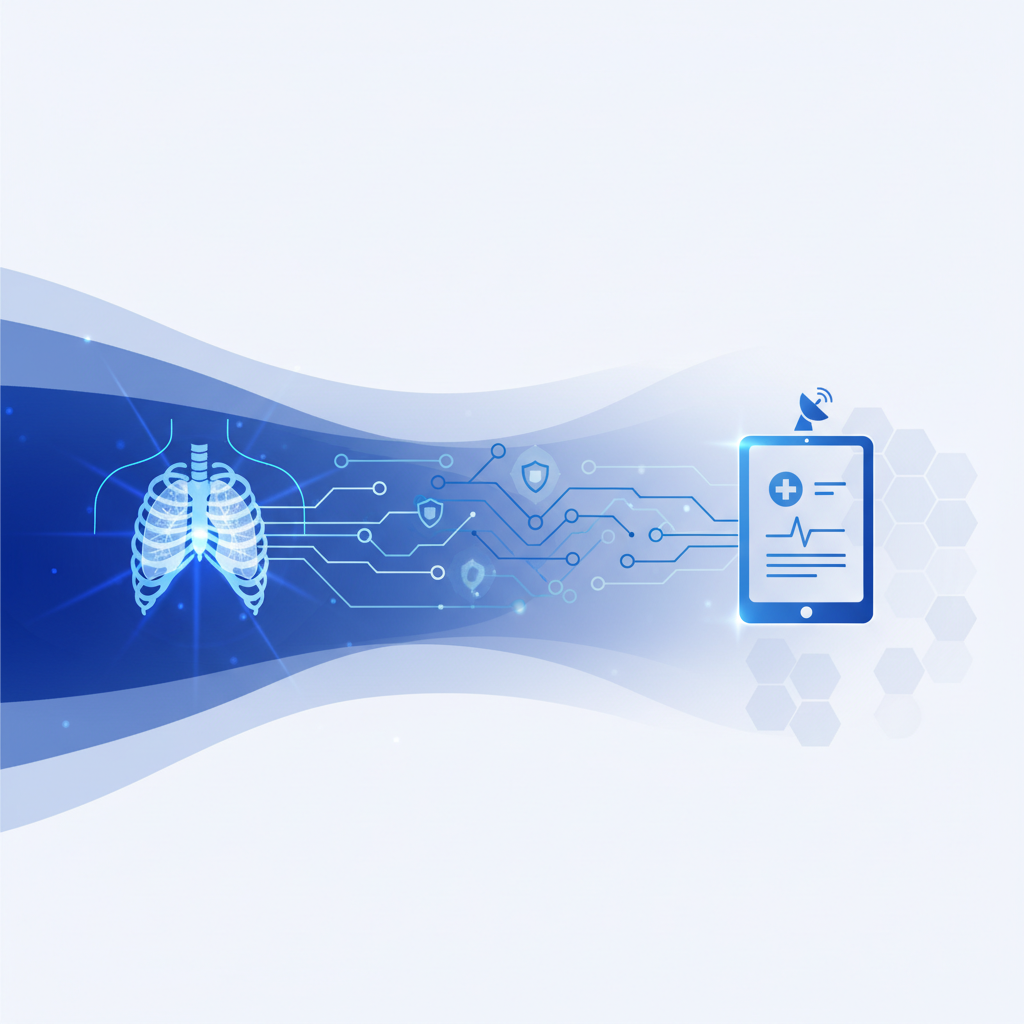
The core concept of remote radiology reporting involves the electronic transmission of medical images (like X-rays, CTs, MRIs, and ultrasounds) from acquisition sites to radiologists located elsewhere. These radiologists then create diagnostic reports, which are transmitted back to the referring clinicians. This seamless flow of information is critical for modern healthcare, ensuring that diagnoses are made swiftly and treatment plans initiated without delay. With an increasing emphasis on efficiency and accessibility, understanding the intricacies and benefits of remote radiology reporting is paramount for healthcare administrators, radiologists, and hospital decision-makers.
The Evolution and Impact of Remote Radiology Reporting
The journey of remote radiology reporting began with the foundational technology of imaging operations. Initially, it addressed the stark reality of uneven radiologist distribution, particularly in rural or underserved areas. Today, it has matured into a sophisticated service that underpins much of advanced medical imaging diagnostics. The impact has been profound, fundamentally altering how imaging departments operate and how patients receive care.
A key driver for this evolution has been technological advancements, particularly in picture archiving and communication systems (PACS). Dedicated radiology workflow managers ensure that studies are routed efficiently and securely to the appropriate manage radiologist, while systems like PACS radiology have revolutionized how medical images are stored, retrieved, and transmitted. These systems allow for high-resolution images to be viewed and manipulated remotely, providing radiologists with all the necessary tools for accurate diagnosis.
According to a report by Grand View Research, the global imaging operations market size was valued at USD 4.9 billion in 2022 and is projected to grow at a compound annual growth rate (CAGR) of 13.9% from 2023 to 2030. This growth underscores the increasing reliance on and expansion of remote radiology reporting solutions due to their tangible benefits.
Key Benefits of Embracing Remote Radiology Reporting
Adopting remote radiology reporting brings a multitude of advantages to healthcare facilities. These benefits extend beyond simple convenience, impacting operational efficiency, patient outcomes, and financial health.
- Expanded Coverage and Expertise: Remote reporting allows facilities to access a broader pool of subspecialty radiologists (e.g., neuroradiologists, musculoskeletal radiologists) who might not be available locally. This means complex cases receive expert clinical documentation, irrespective of the facility's location. This also significantly helps in providing robust human radiology services and even veterinary radiology services where specialized clinical documentation is often needed.
- Improved Radiology Report Turnaround Time: One of the most critical aspects of diagnostic imaging is the speed with which results are delivered. Remote radiology reporting significantly improves radiology report turnaround time by enabling 24/7 coverage. Studies can be manage immediately after acquisition, leading to faster diagnoses and treatment initiation, especially for emergent cases.
- Enhanced After-Hours Radiology Coverage: Hospitals and imaging centers often struggle with staffing night shifts, weekends, and holidays. Remote reporting elegantly solves this by providing seamless after hours radiology coverage, ensuring that urgent studies are never delayed due to staff unavailability. This is crucial for maintaining high standards of emergency care. For deeper insights, explore A Comprehensive Guide to Understanding imaging operations Services.
- Cost Efficiency: By outsourcing remote radiology reporting, hospitals can reduce overheads associated with employing full-time radiologists for every shift, managing benefits, and providing office space. It offers a flexible staffing model that can scale with demand.
- Disaster Preparedness and Redundancy: Remote capabilities provide resilience against unforeseen local events like natural disasters or equipment failures, ensuring continuity of services.
- Workload Balancing: Remote platforms can distribute studies across available radiologists, preventing burnout and promoting efficient use of resources, thereby improving the overall quality of remote radiology reporting.
Challenges and Considerations in Remote Radiology Reporting
While the benefits are substantial, implementing a successful remote radiology reporting strategy requires careful consideration of potential challenges:
- Data Security and HIPAA Compliance: Transmitting sensitive patient data over networks necessitates robust cybersecurity measures and strict adherence to HIPAA regulations. Secure VPNs, encryption, and strict access controls are non-negotiable.
- Integration with Existing Systems: Seamless integration with local EMRs and existing PACS radiology systems is vital to avoid workflow disruptions. Compatibility issues can lead to significant delays and inefficiencies.
- Quality Control and Consistency: Ensuring consistent report quality across multiple radiologists from different backgrounds requires standardized protocols, quality assurance programs, and continuous feedback mechanisms.
- Licensing and Credentialing: Radiologists providing remote radiology reporting services must be appropriately licensed in the states where their clinical documentation are being used and properly credentialed by the receiving facility.
- Communication Challenges: Effective communication between remote radiologists and referring clinicians is crucial. Robust communication channels must be established to facilitate consultations and resolve queries quickly.
Solutions and Best Practices for Effective Remote Reporting
Addressing these challenges proactively ensures a smooth and effective implementation of remote radiology reporting. Here are some solutions and best practices:
Leveraging Advanced Technology
Modern imaging operations platforms offer sophisticated features that mitigate many challenges. This includes vendor-neutral archives (VNAs) that streamline image management and advanced viewing workstations that replicate the in-person image access experience. Furthermore, integrating AI tools for triage and initial analysis can significantly improve radiology report turnaround time.
Establishing Robust Protocols
Clear, written protocols for image transfer, reporting standards, critical finding notifications, and communication workflows are essential. Regular audits and peer reviews help maintain high standards of quality and consistency across all remote radiology reporting services. For more on optimizing services, see Radiology Outsourcing: Optimizing Imaging Services and Patient Care.
Prioritizing Security and Compliance
Partnering with imaging operations providers who demonstrate a strong commitment to data security and regulatory compliance is paramount. This includes regular security audits, staff training on data privacy, and adherence to certifications like SOC 2.
Streamlining Credentialing and Licensing
A reputable imaging operations partner often manages the complex process of radiologist credentialing and state licensing, simplifying the administrative burden for hospitals and ensuring full compliance.
Focusing on Communication and Collaboration
Implementing secure communication tools (e.g., HIPAA-compliant messaging platforms, direct phone lines) fosters effective collaboration between remote radiologists and local clinical teams. Regular feedback loops can also strengthen this communication.
The Role of imaging operations Companies in Remote Radiology Reporting
Many facilities opt to partner with dedicated imaging operations companies to manage their remote radiology reporting needs. These companies specialize in providing comprehensive services, from setting up the necessary technological infrastructure to staffing qualified radiologists for comprehensive human radiology services.
A leading imaging operations company offers:
- 24/7/365 Coverage: Ensuring prompt clinical documentation at any time, significantly boosting after hours radiology coverage.
- Subspecialty Expertise: Access to a broad network of subspecialized radiologists.
- Advanced Technology: State-of-the-art PACS radiology systems and workflow management tools that integrate seamlessly.
- Quality Assurance: Robust QA processes, peer review, and continuous monitoring to maintain high reporting standards.
- Compliance Management: Expert handling of licensing, credentialing, and regulatory compliance, ensuring all remote radiology reporting is conducted ethically and legally.
- Efficient Revenue Cycle Management: Many providers also assist with revenue cycle management specific to radiology, ensuring proper billing and reimbursement for services rendered. Find out more about this in Optimizing Healthcare Revenue Cycle Management: The Definitive Guide.
For more detailed information on service offerings, refer to Unlocking Efficiency: The Power of imaging operations Services.
The Future of Remote Radiology Reporting
The trajectory for remote radiology reporting is one of continued innovation and integration. Artificial intelligence (AI) and machine learning (ML) are set to play an even more significant role, assisting radiologists with image analysis, anomaly detection, and workflow optimization. AI applications can help prioritize critical cases, reduce false positives, and further improve radiology report turnaround time.
The concept of a 'virtual radiology department' is becoming less futuristic and more imminent, where radiologists collaborate globally, sharing expertise and workload. This will further enhance diagnostic accuracy and ensure consistent, high-quality care, regardless of patient location. The growth in demand for flexible, scalable, and expert diagnostic imaging solutions solidifies the position of remote radiology reporting as an indispensable component of modern healthcare infrastructure.
Key Takeaways
- Remote radiology reporting allows off-site clinical documentation of medical images, significantly improving efficiency and access to specialized care.
- Core benefits include improved radiology report turnaround time, enhanced after hours radiology coverage, access to subspecialty expertise, and cost efficiencies.
- Challenges involve data security, system integration, and quality control, which can be addressed through robust protocols, advanced technology, and reputable partners.
- Utilizing secure PACS radiology systems and dedicated workflow managers is crucial for seamless operations.
- The future of remote radiology reporting is bright, with AI and global collaboration promising further advancements in diagnostic accuracy and efficiency.
By understanding and strategically implementing remote radiology reporting, healthcare facilities can significantly enhance their diagnostic capabilities, improve patient outcomes, and optimize operational efficiencies. For those seeking a partner in navigating the complexities of imaging operations and achieving these benefits, consider solutions that deliver high-quality, efficient, and compliant clinical documentation facilitated by leading technology and expertise.
Frequently Asked Questions
1. What is remote radiology reporting?
Remote radiology reporting, also known as imaging operations, is the practice of manage medical images (X-rays, CTs, MRIs, etc.) by a radiologist who is not physically located at the site where the images were acquired. It involves the electronic transmission of images for off-site diagnosis and reporting.
2. How does remote radiology reporting improve patient care?
It improves patient care by providing faster access to expert clinical documentation, especially for urgent cases and subspecialized studies. This leads to quicker diagnoses, more timely treatment initiation, and reduced patient waiting times, ultimately enhancing overall patient outcomes.
3. What role does PACS radiology play in remote reporting?
PACS (Picture Archiving and Communication System) radiology is fundamental to remote reporting. It allows for the secure storage, retrieval, and electronic transmission of high-resolution medical images. This system enables remote radiologists to access and view studies efficiently, regardless of their location, facilitating accurate diagnosis and report generation.
4. Can remote radiology reporting help with after hours radiology coverage?
Yes, absolutely. Remote radiology reporting is a primary solution for providing comprehensive and reliable after hours radiology coverage. imaging operations services can offer 24/7/365 clinical documentation, ensuring that studies performed during nights, weekends, or holidays receive prompt attention and reporting without requiring on-site staff.
5. How does remote radiology reporting affect radiology report turnaround time?
Remote radiology reporting significantly reduces radiology report turnaround time. With dedicated remote radiologists available around the clock, studies can be manage almost immediately after acquisition, avoiding delays that might occur with limited on-site staffing, especially forSTAT or emergency cases.
6. What are the common challenges in implementing remote radiology reporting?
Common challenges include ensuring data security and HIPAA compliance, seamless integration with existing EMR and PACS systems, maintaining consistent report quality, managing radiologist licensing and credentialing across states, and establishing effective communication channels between remote radiologists and referring clinicians.
7. Is remote radiology reporting cost-effective for hospitals?
Yes, it can be very cost-effective. By utilizing remote radiology reporting, hospitals can reduce overheads associated with full-time radiologist salaries, benefits, and physical office space. It offers a flexible, scalable staffing solution that can align more closely with fluctuating imaging volumes.
8. How do you ensure the quality of remote radiology reporting?
Quality in remote radiology reporting is ensured through rigorous protocols, standardized reporting templates, continuous quality assurance programs, peer review processes, and regular performance evaluations. Reputable imaging operations providers also invest in advanced technology and subspecialized radiologists to maintain high standards.
9. What technology is essential for effective remote radiology reporting?
Essential technology includes secure PACS (Picture Archiving and Communication Systems), robust internet connectivity, advanced viewing workstations, secure VPNs, integration with Electronic Medical Records (EMR), and dedicated radiology workflow management software to streamline image routing and reporting.
10. Can subspecialty clinical documentation be obtained through remote radiology reporting?
Yes, one of the significant advantages of remote radiology reporting is access to a vast network of subspecialized radiologists. Facilities can leverage these experts for complex cases in neuroradiology, musculoskeletal, pediatric, or cardiac imaging, ensuring the highest level of diagnostic accuracy.
11. What security measures are in place for remote radiology reporting?
Security measures include end-to-end encryption for data transmission, secure VPNs, strict access controls, regular security audits, HIPAA compliance protocols, and adherence to industry best practices for protecting sensitive patient information transmitted during remote radiology reporting.
12. How do remote radiologists communicate with referring clinicians?
Communication typically occurs via secure, HIPAA-compliant platforms, direct phone lines for critical findings, secure messaging systems, or integrated EMR communication tools. Efficient communication ensures prompt discussion of findings and clarification of reports.
13. Does remote radiology reporting comply with regulatory standards?
Yes, reputable remote radiology reporting services strictly adhere to all relevant regulatory standards, including HIPAA in the US, GDPR in Europe, and state-specific licensing and credentialing requirements. Compliance is a cornerstone of trustworthy remote reporting.
14. What is the average radiology report turnaround time for STAT cases with remote reporting?
For STAT (emergency) cases, remote radiology reporting providers often guarantee turnaround times as short as 20-30 minutes, or even less, from the time the study is transmitted until the report is delivered. This rapid delivery is critical for immediate patient management.
15. How does remote radiology reporting differ from traditional radiology?
The primary difference is the physical location of the radiologist. Traditional radiology typically involves on-site clinical documentation. Remote radiology reporting leverages technology to allow off-site clinical documentation, offering benefits like 24/7 coverage, access to subspecialists, and improved efficiency that may not always be feasible with on-site staff alone.
16. Can small clinics or imaging centers benefit from remote radiology reporting?
Absolutely. Small clinics and imaging centers often lack the resources to employ a full-time radiologist or a diverse team of subspecialists. Remote radiology reporting provides them with access to expert clinical documentation and continuous coverage, leveling the playing field with larger institutions.
17. What is the process for sending images for remote radiology reporting?
Images are acquired at the facility, uploaded to a secure PACS (Picture Archiving and Communication System), and then automatically or manually transmitted to the remote imaging operations provider. The images are routed to an available, qualified radiologist, who manage them and sends the report back to the facility's EMR or PACS.
18. How does AI impact the future of remote radiology reporting?
AI is expected to enhance remote radiology reporting by assisting with image analysis, detecting anomalies, triaging critical cases, and optimizing workflow. This will help radiologists work more efficiently, potentially speed up turnaround times, and improve diagnostic accuracy, further solidifying the value of remote reporting.
19. Is remote radiology reporting suitable for both human and veterinary medicine?
Yes, remote radiology reporting is highly beneficial for both human and veterinary medicine. Veterinary practices, especially those in remote areas, often rely on imaging operations to access specialized veterinary radiologists for complex animal imaging studies, mirroring its utility in human healthcare.
20. What considerations should be made when choosing a remote radiology reporting provider?
Key considerations include their accreditation and certifications, radiologist credentialing and licensing processes, guaranteed turnaround times, quality assurance programs, technological infrastructure (PACS integration, security), communication protocols, and their ability to provide specialized clinical documentation and comprehensive after hours radiology coverage.
