Unlocking Efficiency: The Power of Remote Radiology Reporting
Explore the comprehensive benefits and advancements of remote radiology reporting. Learn how it improves turnaround times, access, and diagnostics. Discover expert solutions for your practice.
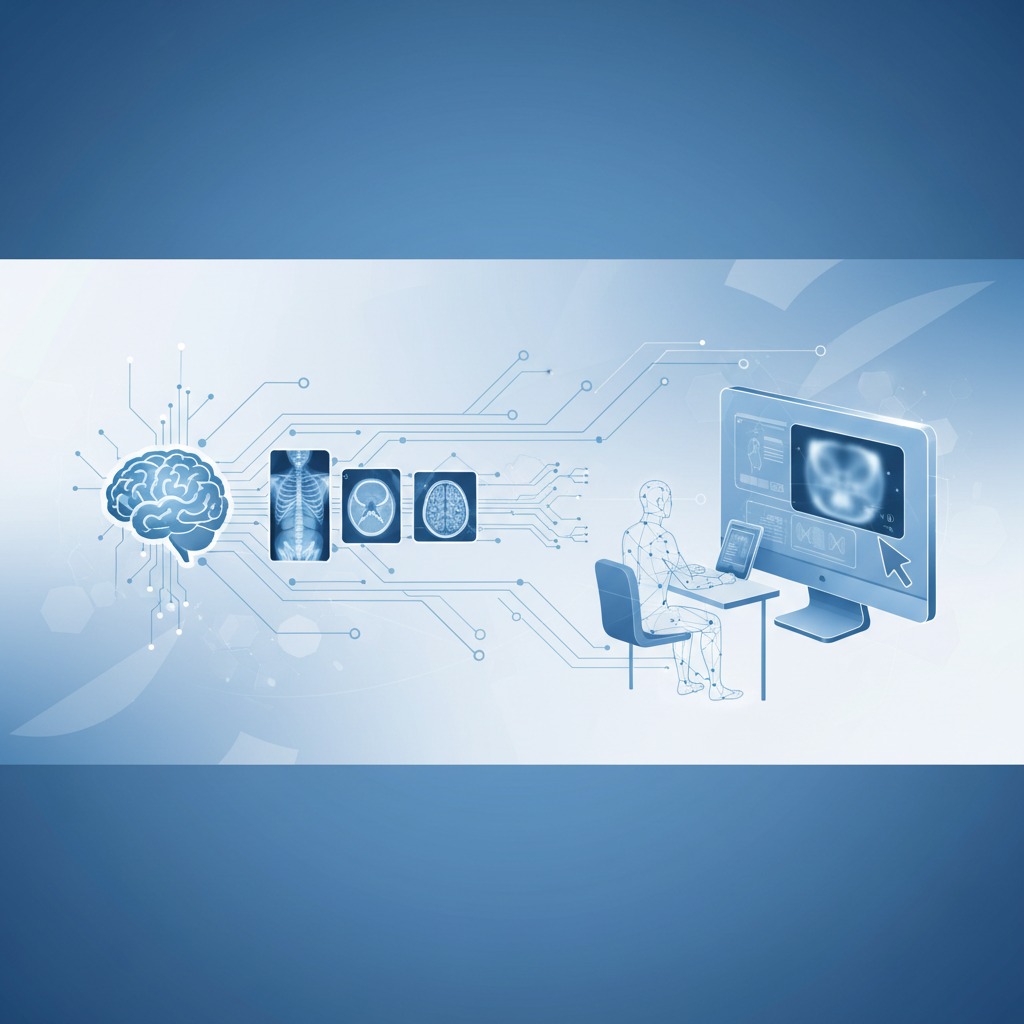
The Evolution of Remote Radiology Reporting in Modern Healthcare
The landscape of medical diagnostics has been profoundly transformed by technological advancements, none more impactful in radiology than the rise of remote radiology reporting. This innovative approach leverages state-of-the-art telecommunications and digital imaging systems to allow radiologists to manage medical images from locations outside the imaging facility. The shift towards remote work has not only been a convenience but a strategic imperative for healthcare providers seeking to optimize patient care delivery, especially in underserved areas, and improve operational efficiencies.
Historically, radiologists were tethered to their physical workstations within hospitals or imaging centers. However, with the advent of robust digital platforms like PACS radiology (Picture Archiving and Communication Systems) and secure network infrastructure, the ability to transmit and view high-resolution images remotely became a reality. This evolution has redefined the accessibility and timeliness of diagnostic clinical documentation, leading to significant improvements in patient outcomes. The demand for efficient and accurate diagnostic services, coupled with a national shortage of radiologists in many regions, has accelerated the adoption of comprehensive imaging operations solutions.
Understanding the nuances of remote radiology reporting is crucial for healthcare administrators, hospital decision-makers, and radiologists alike. It's not merely about working from home; it's about establishing a resilient, scalable, and high-quality diagnostic imaging network that supports continuous patient care and clinical excellence. For a deeper dive into the broader context, explore our Comprehensive Guide to imaging operations Services.
Defining Remote Radiology Reporting
At its core, remote radiology reporting involves the electronic transmission of radiological images (such as X-rays, CT scans, MRIs, and ultrasounds) from an acquisition site to a distant radiologist for clinical documentation and diagnosis. This process relies heavily on secure, high-speed internet connections and specialized software that allows radiologists to manipulate images, dictate reports, and securely transmit them back to the referring physician. This enables timely diagnoses, an essential factor in emergency care and patient management.
The benefits extend beyond geographical boundaries, allowing for:
- Expanded Access to Expertise: Hospitals in rural areas can access subspecialty clinical documentation.
- Improved Work-Life Balance: Radiologists can achieve greater flexibility.
- Enhanced Efficiency: Streamlined workflows lead to quicker diagnoses.
- Cost Reduction: Optimized staffing and resource utilization.
The integration of advanced technologies like AI is also beginning to augment the capabilities of remote radiology reporting, promising even greater efficiency and accuracy in the future.
Key Benefits of Implementing Remote Radiology Reporting Solutions
The advantages of adopting remote radiology reporting are multifaceted, impacting patient care, operational efficiency, and financial health for healthcare organizations.
Optimizing Radiology Report Turnaround Time
One of the most significant benefits is the dramatic reduction in radiology report turnaround time. In many clinical scenarios, particularly in emergency departments, rapid diagnosis is paramount. Remote reporting allows for:
- 24/7 Coverage: Access to radiologists globally ensures continuous clinical documentation, even during off-hours or holidays.
- Load Balancing: Cases can be distributed among a larger pool of radiologists, preventing backlogs.
- Subspecialty Access: Complex cases can be immediately routed to subspecialists, reducing the need for internal transfers or delays.
Faster turnaround times mean quicker treatment decisions, reduced patient anxiety, and ultimately, better patient outcomes. This is particularly crucial for time-sensitive conditions like strokes, heart attacks, and trauma. Hospitals can achieve unprecedented levels of efficiency, directly influencing patient flow and hospital throughput. For more insights on optimizing patient care, read our blog on Optimizing Patient Care Through Radiology Outsourcing.
Addressing Staffing Shortages and After-Hours Coverage
The healthcare industry faces persistent challenges with staffing, and radiology is no exception. Remote radiology reporting offers a pragmatic solution for institutions struggling to recruit and retain in-house radiologists. It provides:
- Extended Coverage: Ensures seamless after-hours radiology coverage, weekends, and holidays without requiring in-house staff to be on-site, improving radiologist well-being.
- Access to a Global Talent Pool: Organizations can tap into a wider network of qualified radiologists, including those with niche subspecialties.
- Scalability: Easily adjust staffing levels based on fluctuating demand without the overheads associated with permanent hires.
This flexibility is invaluable for smaller hospitals, rural clinics, and even large urban centers experiencing unexpected surges in demand. The ability to guarantee expert clinical documentation around the clock significantly elevates the quality and reliability of diagnostic services.
Enhancing Diagnostic Accuracy and Subspecialty Access
Through remote radiology reporting, healthcare facilities can gain access to a broad spectrum of subspecialty expertise that might otherwise be unaffordable or unavailable locally. This means:
- Specialized clinical documentation: Cases requiring neuroradiology, musculoskeletal radiology, or cardiac imaging expertise can be reviewed by experts in those fields, regardless of their physical location.
- Improved Diagnostic Quality: Access to subspecialists can lead to more accurate diagnoses, reducing misinterpretations and improving treatment efficacy.
- Second Opinions: Facilitating easier access to second opinions for challenging cases.
This level of specialized input directly contributes to elevated standards of care and enhances the diagnostic capabilities of any healthcare institution. Our Radiology workflow support are designed to provide this high level of expertise.
Technological Backbone: PACS Radiology and Secure Infrastructure
The success of remote radiology reporting hinges on robust and secure technological infrastructure. Key among these is the PACS radiology system.
The Role of PACS Radiology in Remote clinical documentation
A Picture Archiving and Communication System (PACS) is the central nervous system for digital imaging in healthcare. It allows for the storage, retrieval, distribution, and presentation of images from various modalities (CT, MRI, X-ray, ultrasound, etc.). For remote radiology reporting, PACS enables:
- Seamless Image Access: Radiologists can securely access patient images and associated information from any authorized location.
- Advanced Viewing Tools: PACS offers sophisticated viewing and manipulation tools crucial for accurate clinical documentation (e.g., windowing, leveling, 3D reconstructions).
- Integration with EMR/EHR: Often integrated with Electronic Medical Records (EMR) or Electronic Health Records (EHR), providing radiologists with comprehensive patient clinical histories.
Without a reliable and high-performing PACS, efficient remote radiology reporting would be virtually impossible. The system must be fast, secure, and user-friendly to support radiologists working remotely.
Ensuring Data Security and Compliance
With patient data being transmitted across networks, data security is paramount. Compliance with regulations like HIPAA (Health Insurance Portability and Accountability Act) in the U.S. and GDPR (General Data Protection Regulation) in Europe is non-negotiable. Essential security measures for remote radiology reporting include:
- End-to-End Encryption: All data in transit and at rest must be encrypted.
- Secure VPN Connections: Virtual Private Networks ensure private and secure communication channels.
- Multi-Factor Authentication (MFA): Prevents unauthorized access to systems.
- Regular Security Audits: Proactive identification and mitigation of vulnerabilities.
- Data Redundancy and Backup: Ensures data integrity and availability in case of system failures.
Service providers offering human radiology services must demonstrate an unwavering commitment to these security protocols to build trust and maintain compliance.
Challenges and Solutions in Remote Radiology Reporting
While the benefits are clear, implementing remote radiology reporting comes with its own set of challenges, which can be effectively mitigated with strategic planning and advanced solutions.
Addressing Connectivity and Bandwidth Limitations
Reliable high-speed internet is fundamental. Issues such as slow connections or dropped signals can severely impact productivity and diagnostic efficiency. Solutions include:
- Redundant Internet Connections: Multiple ISPs or backup systems to ensure continuous service.
- Optimized Network Infrastructure: Prioritizing medical image traffic on the network.
- Image Compression Technologies: Advanced algorithms that reduce file size without compromising diagnostic quality.
Careful planning for network infrastructure is key to a smooth remote radiology reporting operation.
Maintaining Quality Control and Standardization
Ensuring consistent quality across multiple radiologists and locations is vital. Strategies include:
- Standardized Reporting Templates: Using consistent templates to ensure all necessary information is included in reports.
- Peer Review Systems: Regular peer reviews to maintain quality and provide constructive feedback.
- Continuous Training and Education: Keeping radiologists updated on the latest protocols and technologies.
- Quality Assurance Programs: Implementing robust QA programs to monitor performance and identify areas for improvement.
These measures ensure that regardless of where the report is generated, the quality remains consistently high, reinforcing confidence in the diagnostic process.
Integration with Existing Hospital Systems
Effective integration between the imaging operations platform, the hospital's EMR/EHR, and other clinical systems is crucial. Challenges can arise from:
- Legacy Systems: Older hospital systems may not easily integrate with modern imaging operations platforms.
- Interoperability Issues: Different vendors and data formats can hinder seamless information exchange.
Solutions involve using integration engines, adherence to industry standards like HL7 and DICOM, and working with imaging operations providers who have extensive experience in complex integrations. A robust Radiology Workflow Manager can bridge these gaps effectively.
Best Practices for Successful Remote Radiology Reporting Implementation
To maximize the benefits of remote radiology reporting, healthcare organizations should adhere to several best practices.
Selecting the Right imaging operations Partner
Choosing a reliable and experienced imaging operations provider is perhaps the most critical decision. Key considerations include:
- Accreditation and Credentials: Ensure the provider and their radiologists are appropriately licensed and board-certified.
- Technology and Infrastructure: Evaluate their PACS, cybersecurity measures, and network capabilities.
- Service Level Agreements (SLAs): Clear contracts outlining turnaround times, support, and quality metrics.
- Specialty Coverage: Confirm they offer the subspecialty clinical documentation required by your institution.
- Client References: Speak to current clients to assess satisfaction and service quality.
A strong partnership is foundational to the success of your remote radiology reporting initiative.
Establishing Clear Communication Channels
Effective communication between remote radiologists, referring physicians, and hospital staff is essential for optimal patient care. This includes:
- Secure Communication Platforms: Integrating messaging systems within the PACS or EMR.
- Defined Eskalation Protocols: Clear procedures for urgent findings and critical results communication.
- Regular Feedback Loops: Opportunities for referring physicians to provide feedback on report quality and timeliness.
Clear and consistent communication minimizes misunderstandings and ensures prompt action on diagnostic findings.
Continuous Performance Monitoring and Optimization
Regularly reviewing the performance of your remote radiology reporting service is vital. This involves:
- Tracking Key Performance Indicators (KPIs): Monitoring radiology report turnaround time, accuracy rates, and radiologist productivity.
- Patient Satisfaction Surveys: Gathering feedback to improve service delivery.
- Technology Upgrades: Staying abreast of new technologies and software updates to maintain competitive advantage and efficiency.
Ongoing evaluation ensures that the service continues to meet the evolving needs of your organization and patients. For a more detailed guide on the subject, consider our Understanding imaging operations: A Comprehensive Guide.
Future Trends in Remote Radiology Reporting
The field of remote radiology reporting is dynamic, with continuous advancements promising even greater efficiencies and diagnostic capabilities.
Artificial Intelligence and Machine Learning Integration
AI and machine learning are poised to revolutionize remote radiology reporting by:
- Assisting with Image Analysis: Identifying abnormalities, quantifying findings, and flagging critical cases for immediate radiologist review.
- Improving Workflow Efficiency: Automating routine tasks and optimizing image access lists for radiologists.
- Enhancing Diagnostic Accuracy: Acting as a 'second pair of eyes' to reduce missed findings.
While AI will augment, not replace, radiologists, its integration will significantly enhance the speed and precision of diagnoses.
Blockchain for Enhanced Security and Data Management
Blockchain technology offers immense potential for secure and transparent management of medical imaging data. Its features include:
- Immutable Records: Ensuring that once a report is created, it cannot be altered without a traceable record.
- Enhanced Data Integrity: Protecting against data tampering and unauthorized access.
- Streamlined Data Sharing: Facilitating secure and auditable sharing of patient data across different healthcare providers.
These applications could further strengthen the security framework surrounding remote radiology reporting, building greater trust in the system.
Expansion into Niche and Veterinary Radiology Services
The flexibility of remote radiology reporting is extending its reach into highly specialized areas, including veterinary radiology services. The principles remain the same: connecting imaging facilities with specialized veterinary radiologists to provide timely and accurate diagnoses for animal patients. This expansion highlights the universal applicability and growing demand for remote diagnostic expertise across diverse healthcare sectors.
Key Takeaways
Remote radiology reporting has undeniably emerged as a cornerstone of modern diagnostic medicine, offering transformative benefits across the healthcare spectrum. From dramatically improving radiology report turnaround time and providing crucial after-hours radiology coverage to addressing staffing shortages and enhancing access to subspecialized expertise, its impact is profound.
The successful implementation of remote radiology reporting relies on a robust technological infrastructure, particularly efficient PACS radiology systems, coupled with an unwavering commitment to data security and regulatory compliance. Challenges related to connectivity, quality control, and system integration can be overcome through careful planning and the selection of expert partners.
As healthcare continues its digital evolution, the role of remote radiology reporting will only expand. The integration of artificial intelligence, blockchain, and its application in niche areas like veterinary radiology illustrates a future where diagnostic services are even more precise, efficient, and accessible, ultimately leading to improved patient outcomes globally.
Organizations looking to harness the full potential of these advancements and optimize their diagnostic capabilities can find comprehensive support and cutting-edge solutions tailored to their unique needs and challenges. RAD365 is committed to excellence in imaging operations, delivering solutions that empower healthcare providers.
Frequently Asked Questions
1. What is remote radiology reporting?
Remote radiology reporting is the process where medical images (X-rays, CT scans, MRIs) are electronically transmitted from an imaging facility to a distant radiologist for clinical documentation and diagnosis, using secure telecommunications and digital imaging systems.
2. How does remote radiology reporting improve patient care?
It significantly improves patient care by enabling faster diagnoses, especially in emergencies, providing access to subspecialty expertise regardless of location, and ensuring continuous coverage, which leads to quicker treatment decisions and better outcomes.
3. What is PACS radiology and its role in remote reporting?
PACS (Picture Archiving and Communication System) radiology is a medical imaging technology that stores, retrieves, presents, and distributes digital images. It is crucial for remote reporting as it allows radiologists to securely access, view, and manipulate high-resolution images from any authorized remote location.
4. How does remote radiology reporting affect radiology report turnaround time?
Remote radiology reporting dramatically shortens report turnaround times by enabling 24/7 access to radiologists, efficient load balancing of studies, and immediate routing of complex cases to available subspecialists, reducing delays in diagnosis and treatment.
5. Can remote radiology reporting help with after-hours radiology coverage?
Yes, it is highly effective for after-hours radiology coverage. It provides hospitals and clinics with access to radiologists during nights, weekends, and holidays without requiring on-site staff, ensuring continuous diagnostic services and relieving pressure on local teams.
6. What are the security concerns with remote radiology reporting?
Security concerns include data breaches and unauthorized access to sensitive patient information. These are mitigated through end-to-end encryption, secure VPNs, multi-factor authentication, regular security audits, and adherence to regulations like HIPAA and GDPR.
7. Is remote radiology reporting cost-effective for hospitals?
Yes, it can be very cost-effective. It reduces overheads associated with full-time in-house staff, offers flexible staffing solutions based on demand, and helps optimize resource utilization, contributing to better financial management.
8. How do imaging operations providers ensure quality in remote radiology reporting?
Quality is maintained through standardized reporting templates, robust peer review systems, continuous professional development for radiologists, and rigorous quality assurance programs that monitor accuracy and consistency across all clinical documentation.
9. What type of internet connection is needed for remote radiology reporting?
A reliable, high-speed internet connection with sufficient bandwidth is essential to handle large image files without delay. Redundant connections and network optimization are often employed to ensure uninterrupted service.
10. How do remote radiologists communicate urgent findings?
Urgent findings are communicated through established, secure protocols, which typically include immediate phone calls to referring physicians, secure messaging directly within the PACS or EMR system, and defined escalation procedures to ensure critical results are acted upon promptly.
11. Can remote radiology reporting handle all types of medical imaging studies?
Yes, remote radiology reporting systems are designed to handle a comprehensive range of medical imaging studies, including X-rays, CT scans, MRIs, ultrasounds, mammograms, and nuclear medicine scans, by providing appropriate viewing and clinical documentation tools.
12. How does remote radiology reporting aid in managing radiologist shortages?
It significantly addresses radiologist shortages by expanding the talent pool beyond local geographical limits, allowing hospitals to access qualified radiologists from anywhere, and utilizing them more efficiently to cover peak times or staff vacancies.
13. What integration challenges exist for remote radiology reporting?
Challenges include integrating with diverse hospital EMR/EHR systems and legacy platforms. These are typically overcome by using integration engines, adhering to industry standards like HL7 and DICOM, and working with experienced imaging operations providers.
14. Are there subspecialty radiologists available through remote radiology reporting?
Yes, one of the major advantages is access to a vast network of subspecialty radiologists (e.g., neuroradiologists, musculoskeletal radiologists, pediatric radiologists), ensuring that complex cases receive expert clinical documentation regardless of the facility's location.
15. What is the typical setup for a remote radiologist workstation?
A typical remote radiologist workstation includes high-resolution, medical-grade monitors, a powerful computer, secure internet access (often VPN), dictation equipment, and access to the imaging operations platform and PACS system.
16. How is turnaround time defined for remote radiology reporting services?
Turnaround time is typically defined in a Service Level Agreement (SLA) and refers to the time elapsed from when an imaging study is received by the imaging operations provider until the completed report is returned to the referring facility. It varies based on urgency (e.g., STAT, emergent, routine).
17. Can remote radiology reporting be used for veterinary practices?
Absolutely. The principles of transmitting images and receiving expert clinical documentation remotely are highly beneficial for veterinary practices, allowing them to access specialized veterinary radiologists regardless of their physical location.
18. How will AI impact the future of remote radiology reporting?
AI is expected to augment remote radiology reporting by assisting with image analysis, flagging abnormalities, optimizing workflows, and potentially acting as a 'second reader' to enhance diagnostic accuracy and efficiency for radiologists.
19. What should be considered when choosing a remote radiology reporting provider?
Key considerations include the provider's accreditation, radiologist credentials, technological infrastructure (PACS, security), Service Level Agreements (SLAs), subspecialty coverage, and client references to ensure reliability and quality.
20. Does remote radiology reporting help smaller or rural hospitals?
Yes, it tremendously benefits smaller and rural hospitals by providing them with access to 24/7 coverage and subspecialty expertise that they might otherwise lack, significantly improving their diagnostic capabilities and patient care offerings.
