Optimizing Patient Care with Remote Radiology Reporting
Discover how remote radiology reporting revolutionizes diagnostics, improves turnaround times, and provides crucial after-hours coverage for healthcare facilities.
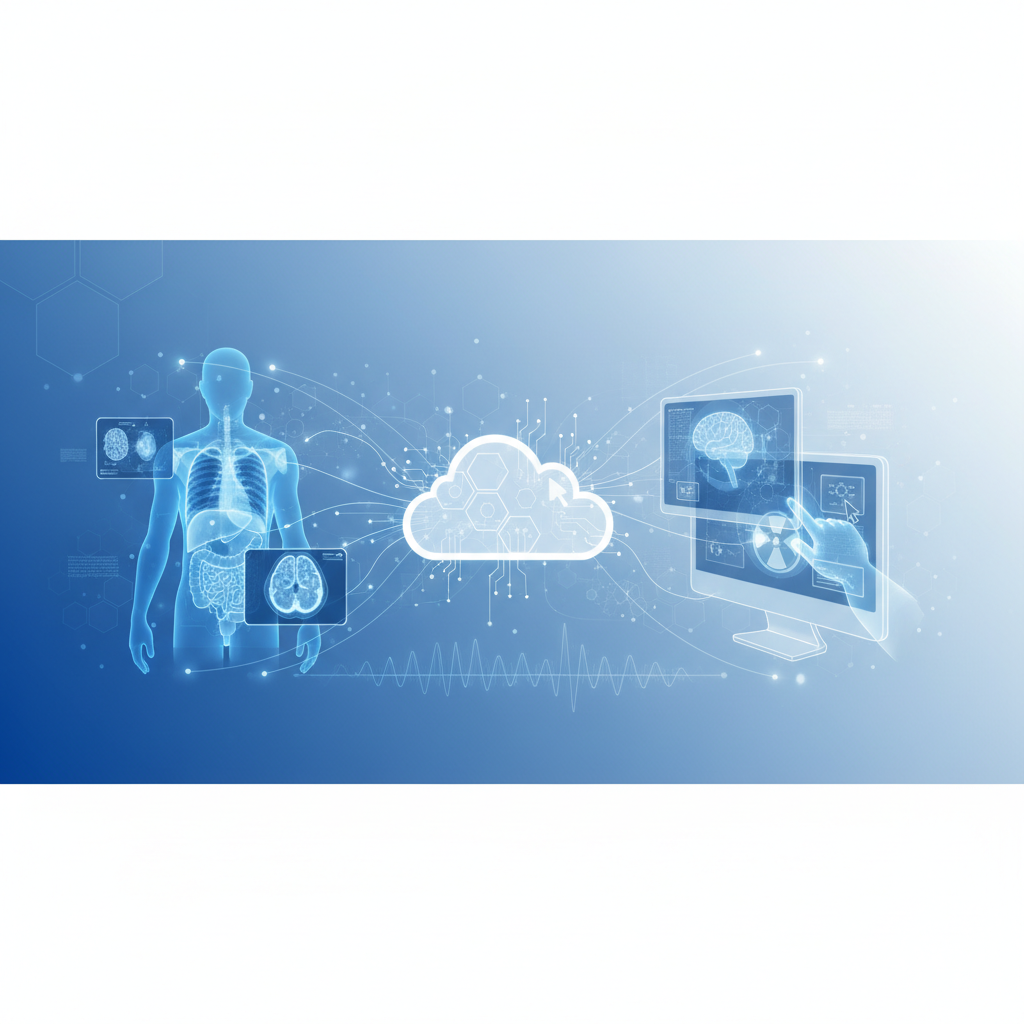
The Paradigm Shift: Understanding Remote Radiology Reporting
At its core, remote radiology reporting refers to the practice of transmitting radiological images (X-rays, CT scans, MRIs, ultrasounds, etc.) digitally from one location to another for clinical documentation by a radiologist. This innovative approach, often synonymous with imaging operations, leverages advanced technology to overcome geographical barriers, ensuring timely and expert diagnostic services are available wherever and whenever needed. This method is crucial for modern healthcare systems striving for efficiency and comprehensive patient care. For a deeper dive into the broader context, explore our Understanding imaging operations: A Comprehensive Guide.
The advent of high-speed internet and sophisticated imaging technologies has propelled remote radiology reporting into an essential component of healthcare delivery. It facilitates access to specialized radiological expertise, particularly in underserved areas or during off-peak hours. This capability ensures that critical diagnoses are not delayed due to the physical absence of a radiologist, directly impacting patient outcomes.
The Technology Behind Seamless Remote Radiology Reporting
The backbone of effective remote radiology reporting lies in robust technological infrastructure. Key components include:
- Picture Archiving and Communication Systems (PACS) Radiology: These systems are central to imaging operations operations. PACS radiology allows for the secure storage, retrieval, and transmission of medical images and reports. It enables radiologists to access patient studies from anywhere with an internet connection, complete with powerful viewing tools for detailed analysis.
- Secure Networks: Encrypted networks are paramount to ensure the confidentiality and integrity of protected health information (PHI) during transmission.
- Reporting Workstations: High-resolution monitors and specialized software are used by radiologists for accurate image clinical documentation and report generation.
- Voice Recognition Software: Many remote radiologists utilize voice recognition for efficient report dictation, further streamlining the reporting process.
Key Benefits of Remote Radiology Reporting for Healthcare Facilities
The adoption of remote radiology reporting offers a multitude of advantages for hospitals, imaging centers, and clinics:
1. Improved Radiology Report Turnaround Time (STAT and Routine)
One of the most significant benefits is the dramatic reduction in radiology report turnaround time, especially for STAT (urgent) cases. With a global network of radiologists, cases can be routed to an available specialist regardless of time zones, ensuring rapid clinical documentation. This capability is critical for emergency departments where swift diagnoses can be life-saving. Faster reports mean quicker clinical decisions, leading to better patient management and outcomes.
2. Enhanced After-Hours Radiology Coverage
Many hospitals, particularly smaller or rural facilities, struggle to provide 24/7 in-house radiology coverage. This is where after hours radiology coverage provided by imaging operations companies becomes indispensable. Remote radiologists can cover overnight shifts, weekends, and holidays, guaranteeing that every image taken is read by a qualified professional without delay. This not only improves patient safety but also alleviates the burden on local staff and ensures compliance with emergency medical treatment requirements.
3. Access to Specialist Expertise
Remote radiology reporting allows healthcare providers to access subspecialty expertise that might not be available locally. Whether it's neuroradiology, musculoskeletal radiology, or pediatric radiology, images can be sent to specific specialists for clinical documentation, leading to more accurate diagnoses and specialized treatment plans. This is particularly beneficial for complex cases.
4. Cost Efficiency and Resource Optimization
By outsourcing remote radiology reporting, facilities can significantly reduce operational costs associated with maintaining an in-house radiology department, such as salaries, benefits, and equipment. It allows for a more flexible staffing model, aligning costs with demand. This efficiency contributes to overall financial health, as detailed in our insights on Optimizing Healthcare Revenue Cycle Management Strategies.
5. Business Continuity and Scalability
Remote radiology reporting offers inherent resilience. In situations like natural disasters or unexpected staff shortages, services can continue uninterrupted as radiologists are not dependent on a single physical location. Furthermore, imaging operations services can easily scale up or down based on patient volume, providing flexibility that in-house solutions often lack. Learn more about how these solutions optimize patient care through Radiology Outsourcing.
Challenges and Solutions in Remote Radiology Reporting
While the benefits are significant, implementing and managing remote radiology reporting is not without its challenges:
1. Data Security and Privacy Concerns
Challenge: Transmitting sensitive patient data over telecommunication networks raises concerns about data breaches and HIPAA compliance.
Solution: Partner with imaging operations providers that utilize robust encryption protocols, secure VPNs, and adhere strictly to all relevant data security regulations (e.g., HIPAA, GDPR). Regular security audits and employee training are also crucial.
2. Integration with Existing Systems
Challenge: Seamless integration of a imaging operations service with a facility's existing Electronic Health Record (EHR) and PACS radiology systems can be complex.
Solution: Choose providers with extensive experience in system integration. They should offer flexible API interfaces and dedicated IT support to ensure smooth data flow and workflow synchronization. A reliable Radiology Workflow Manager is essential here.
3. Quality Control and Communication
Challenge: Maintaining consistent reporting quality and effective communication between remote radiologists and local clinicians can be difficult.
Solution: Establish clear communication channels and protocols. imaging operations providers should have rigorous quality assurance programs, peer review processes, and mechanisms for direct communication with referring physicians. Service Level Agreements (SLAs) should specify quality metrics and reporting standards.
4. Licensing and Credentialing
Challenge: Radiologists must be licensed in the state where the images originate, posing credentialing hurdles for multi-state operations.
Solution: Reputable imaging operations companies have dedicated credentialing teams that manage the complex licensing requirements for their radiologists across various states, ensuring all legal and regulatory standards are met.
Best Practices for Implementing Remote Radiology Reporting
To maximize the efficacy of remote radiology reporting, consider these best practices:
- Choose a Reputable Partner: Select a imaging operations provider with a proven track record, board-certified radiologists, and robust technology infrastructure. Evaluate their experience in both human radiology services and specialized areas like veterinary radiology services if applicable.
- Define Clear SLAs: Establish comprehensive Service Level Agreements that outline turnaround times (e.g., for STAT, urgent, and routine studies), quality metrics, and communication protocols.
- Ensure Seamless Integration: Work closely with the imaging operations provider's IT team to ensure smooth integration with your existing PACS radiology and EHR systems. Consider solutions like a Radiology Workflow Manager.
- Prioritize Data Security: Verify that the chosen provider adheres to the highest standards of data security and patient privacy, including HIPAA compliance and regular security audits.
- Foster Open Communication: Implement clear channels for communication between your clinical staff and the remote radiologists to facilitate consultation and clarify findings.
- Regular Performance Reviews: Conduct periodic reviews of the imaging operations service's performance against agreed-upon SLAs and quality metrics.
The Future of Remote Radiology Reporting
The trajectory of remote radiology reporting is one of continuous evolution. Key trends shaping its future include:
- Artificial Intelligence (AI) and Machine Learning: AI algorithms are increasingly being integrated to assist radiologists, flagging critical findings, triaging studies, and even performing initial measurements. This enhances efficiency and consistency in radiology report turnaround time.
- Cloud-Based PACS: Moving PACS radiology to the cloud offers greater scalability, accessibility, and reduces the need for extensive on-premise hardware.
- Enhanced Collaboration Tools: Future platforms will likely feature more sophisticated tools for real-time collaboration between remote radiologists and referring physicians, mimicking the in-person experience.
- Personalized Medicine: As imaging technology advances, remote radiology reporting will play a crucial role in delivering personalized diagnostic insights, contributing to precision medicine initiatives.
- Global Networks: The ability to tap into a global pool of subspecialty radiologists will continue to expand, offering unparalleled access to expertise worldwide.
Key Takeaways
Remote radiology reporting has proven to be a transformative force in diagnostic imaging, offering unparalleled benefits in efficiency, accessibility, and quality of care. By leveraging technologies like PACS radiology, healthcare facilities can significantly improve their radiology report turnaround time, ensure robust after hours radiology coverage, and gain access to specialized radiological expertise. While challenges exist, strategic partnerships and adherence to best practices can mitigate these, paving the way for a more streamlined and patient-centric healthcare system. As technology continues to advance, the role of remote radiology reporting will only expand, becoming an even more integral part of modern medicine.
For facilities seeking to optimize their diagnostic capabilities and revenue cycles, expert radiology workflow support and comprehensive revenue cycle management are crucial. Discover how a leading provider can enhance your operations and patient outcomes.
Frequently Asked Questions
1. What is remote radiology reporting and how does it work?
Remote radiology reporting, commonly known as imaging operations, is the electronic transmission of medical images (like X-rays, CTs, MRIs) from one location to radiologists who manage them at a different, remote location. This process typically involves secure PACS radiology systems for image transfer and dedicated workstations for clinical documentation, enabling rapid diagnostic services regardless of geographical distance.
2. What are the primary benefits of utilizing remote radiology services?
The primary benefits of remote radiology services include significantly reduced radiology report turnaround time, particularly for STAT cases, enhanced after hours radiology coverage, access to subspecialty expertise across different geographies, cost efficiency, and improved overall patient care through faster and more accurate diagnoses.
3. How does remote radiology reporting improve diagnostic efficiency?
Remote radiology reporting enhances diagnostic efficiency by allowing images to be immediately transmitted to available radiologists worldwide. This global access ensures that studies are read promptly, reducing wait times for patients and accelerating the clinician's ability to make informed treatment decisions, directly impacting the radiology report turnaround time.
4. What role does PACS radiology play in remote reporting?
PACS radiology (Picture Archiving and Communication Systems) is fundamental to remote reporting. It serves as the central hub for storing, retrieving, and transmitting medical images and reports securely. Radiologists use PACS to access patient studies from remote locations, view them with specialized tools, and generate diagnostic reports.
5. Can remote radiology services provide after-hours coverage?
Yes, providing comprehensive after hours radiology coverage is one of the key strengths of remote radiology reporting. imaging operations companies offer 24/7/365 coverage, ensuring that images taken during nights, weekends, and holidays are manage promptly by qualified radiologists, maintaining continuous patient care without burdening in-house staff.
6. Is remote radiology reporting secure and HIPAA compliant?
Reputable remote radiology reporting providers prioritize data security and HIPAA compliance. They employ advanced encryption, secure networks (VPNs), strict access controls, and regular audits to protect patient health information during transmission and storage, ensuring compliance with all relevant privacy regulations.
7. How does remote radiology affect radiology report turnaround time?
Remote radiology significantly shortens radiology report turnaround time by distributing workload among a larger pool of radiologists. Urgent (STAT) cases can be prioritized and assigned to immediately available specialists, often resulting in reports delivered within minutes to a few hours, dramatically improving clinical workflows.
8. What types of images can be manage through remote radiology?
Almost all types of medical images can be manage through remote radiology, including X-rays, CT scans, MRI scans, ultrasound, mammography, nuclear medicine studies, and even advanced imaging like PET scans. The digital nature of these images makes them ideal for electronic transmission and remote clinical documentation.
9. What qualifications do remote radiologists typically hold?
Remote radiologists typically hold the same high qualifications as in-house radiologists. They are board-certified physicians specializing in diagnostic radiology, often with subspecialty training. They must also be licensed in the state(s) where the patient images originate to provide legal clinical documentation.
10. How can a facility integrate remote radiology reporting with existing systems?
Integration involves connecting the remote radiology provider's systems with the facility's existing EHR/EMR and PACS radiology. This is typically achieved through secure interfaces and dedicated IT support to ensure seamless data flow, worklist integration, and automated report delivery. A robust Radiology Workflow Manager can streamline this process.
11. What is the cost implication of using remote radiology reporting?
The cost of remote radiology reporting can vary but often proves more cost-effective than maintaining 24/7 in-house coverage. It typically involves a fee per study or a monthly retainer, eliminating overheads like salaries, benefits, and equipment maintenance, thereby optimizing healthcare revenue cycle management strategies.
12. Does remote radiology reporting affect communication with referring physicians?
Effective remote radiology reporting services include robust communication protocols to ensure referring physicians can easily consult with radiologists regarding findings. This can be via phone calls, secure messaging, or integrated communication platforms within the PACS radiology or EHR systems, maintaining collaborative patient care.
13. How does remote radiology ensure quality control in clinical documentation?
Quality control in remote radiology is maintained through rigorous processes such as peer review programs, regular audits, adherence to established diagnostic protocols, and continuous education for radiologists. Service Level Agreements (SLAs) also often include specific quality metrics for radiology workflow support.
14. Can remote radiology provide subspecialty clinical documentation?
Absolutely. One of the significant advantages of remote radiology reporting is the ability to route studies to subspecialized radiologists (e.g., neuroradiologists, musculoskeletal radiologists, pediatric radiologists) regardless of their physical location. This ensures highly specialized and accurate clinical documentation for complex cases.
15. What's the difference between remote radiology and imaging operations?
The terms 'remote radiology reporting' and 'imaging operations' are largely synonymous. Both refer to the practice of transmitting medical images digitally for off-site clinical documentation by radiologists. imaging operations is the broader field, with remote reporting being its core function. You can learn more in our Comprehensive Guide to imaging operations.
16. How does remote radiology impact patient care?
Remote radiology positively impacts patient care by providing rapid diagnoses, especially for critical conditions, enabling quicker treatment decisions, and offering access to specialist opinions. This leads to improved patient outcomes, reduces hospital stays, and enhances overall healthcare efficiency, as discussed in Optimizing Patient Care with Radiology Outsourcing Solutions.
17. Are there specific remote radiology services for veterinary practices?
Yes, just as there are human radiology services, there are specialized veterinary radiology services that utilize remote reporting. Veterinary radiologists manage animal X-rays, CTs, and MRIs from remote locations, offering specialist diagnostic support to veterinary clinics and hospitals.
18. What future trends are expected in remote radiology reporting?
Future trends in remote radiology reporting include the increased integration of Artificial Intelligence (AI) for image analysis and triage, the widespread adoption of cloud-based PACS radiology systems, enhanced collaborative tools, and further expansion of global networks to provide even broader access to subspecialty expertise across various time zones.
19. How does remote radiology assist with managing spikes in imaging volume?
Remote radiology is highly scalable, making it ideal for managing unexpected spikes in imaging volume without overworking in-house staff or delaying patient care. imaging operations providers can rapidly allocate additional radiologists to handle increased caseloads, maintaining efficient radiology report turnaround time even during peak periods.
20. Why is a Radiology Workflow Manager important for remote reporting?
A Radiology Workflow Manager is critical for remote reporting as it streamlines the entire process from image acquisition to report delivery. It helps manage caseloads, prioritizes studies, tracks reports, and ensures seamless communication between technologists, radiologists, and referring physicians, all of which contribute to faster radiology report turnaround time and operational efficiency.
