Optimizing Patient Care with Remote Radiology Reporting
Discover how remote radiology reporting enhances efficiency, improves turnaround times, and ensures quality patient care. Essential for healthcare administrators.
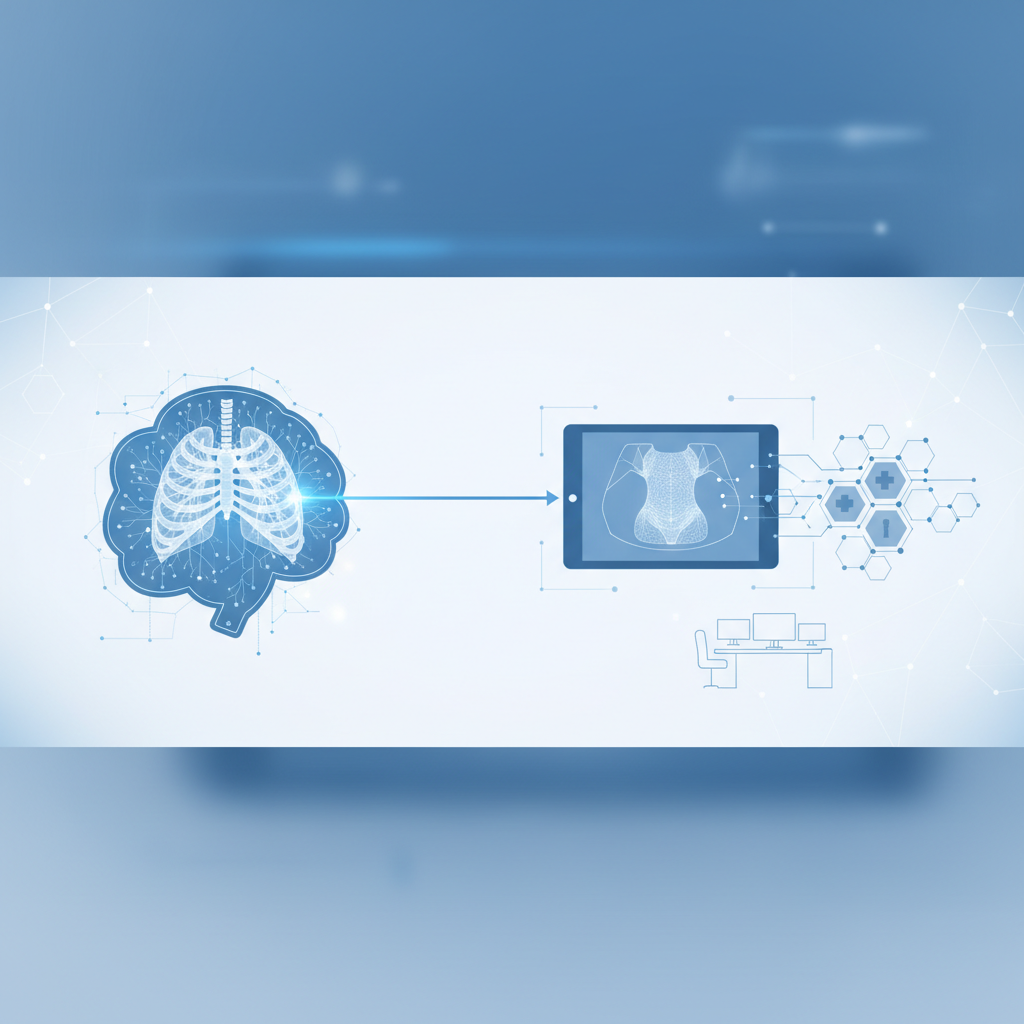
The Rise of Remote Radiology Reporting in Modern Healthcare
In the evolving landscape of healthcare, the demand for timely and accurate diagnostic imaging has never been higher. Remote radiology reporting, often synonymous with imaging operations, stands as a cornerstone technology bridging geographical gaps and ensuring access to expert clinical documentation. This practice involves transmitting medical images—such as X-rays, CT scans, and MRIs—electronically from one location to another for clinical documentation by radiologists located off-site. The ability to perform remote radiology reporting has not only become a necessity for many facilities but also a strategic advantage.
Initially adopted to provide specialized coverage in rural hospitals or during after hours radiology coverage, remote radiology reporting has expanded significantly. Today, it plays a critical role in optimizing healthcare delivery across the board, from small clinics to large integrated health systems. This comprehensive overview will delve into the intricacies of this vital service, explaining its mechanisms, benefits, and the essential considerations for its successful implementation.
Understanding Remote Radiology Reporting: Mechanism and Scope
At its core, remote radiology reporting relies on sophisticated digital infrastructure. The process begins with image acquisition at a medical facility. These images are then digitized and transmitted securely to a remote workstation where a radiologist can access them. The backbone of this transmission and viewing process is typically a Picture Archiving and Communication System (PACS). A robust PACS radiology system is essential for handling large image files, ensuring data integrity, and facilitating efficient review.
Once the images are received, the radiologist manage them, generates a diagnostic report, and sends it back to the referring physician or facility. This entire workflow must be secure, compliant with HIPAA and other privacy regulations, and efficient. The scope of remote radiology reporting covers virtually all types of diagnostic imaging modalities, making it an incredibly versatile solution for various medical settings, including emergency rooms, urgent care centers, and even specialized outpatient imaging centers. It's a key component of modern human radiology services and can even extend to veterinary radiology services.
Key Benefits of Implementing Remote Radiology Reporting
The advantages of adopting remote radiology reporting are multifaceted, impacting patient care, operational efficiency, and financial stability for healthcare providers. Hospitals and imaging centers are increasingly leveraging these services to overcome traditional staffing challenges and enhance their diagnostic capabilities.
- Improved Radiology Report Turnaround Time: One of the most significant benefits is the drastic reduction in report turnaround times. With remote radiologists available 24/7, facilities can receive clinical documentation much faster, especially for STAT cases, leading to quicker diagnoses and treatment plans. This is crucial for emergency departments.
- Enhanced Access to Subspecialty Expertise: Remote radiology reporting allows facilities to access a broader pool of subspecialty radiologists (e.g., neuroradiologists, musculoskeletal radiologists) who might not be available locally. This ensures higher diagnostic accuracy and specialized care for complex cases.
- 24/7/365 Coverage: Maintaining adequate in-house radiology coverage, especially during nights, weekends, and holidays, can be challenging and costly. Remote services provide seamless after hours radiology coverage, ensuring that no patient study goes unread, regardless of the time.
- Cost Efficiency: By outsourcing remote radiology reporting, healthcare organizations can often reduce operational costs associated with in-house staffing, benefits, and infrastructure, while still maintaining high-quality services.
- Workload Balancing and Burnout Reduction: Remote solutions help distribute workload more evenly among radiologists, reducing burnout and improving job satisfaction for in-house staff who can focus on daytime clinical responsibilities.
- Disaster Preparedness: In the event of local disasters or emergencies, remote radiology reporting ensures continuity of services, as images can be routed to radiologists in unaffected regions.
Challenges and Considerations for Effective Remote Radiology Reporting
While the benefits are substantial, implementing and managing remote radiology reporting services is not without its challenges. Healthcare administrators must carefully consider several factors to ensure successful integration and optimal performance.
- Data Security and Privacy: Transmitting sensitive patient data over networks requires robust cybersecurity measures and strict adherence to HIPAA and other data privacy regulations. Ensuring secure PACS radiology systems and encrypted data transfer protocols is paramount.
- Integration with Existing Systems: Seamless integration with existing Hospital Information Systems (HIS) and Electronic Health Records (EHR) is crucial for efficient workflow and data exchange. Poor integration can lead to delays and errors.
- Quality Assurance: Maintaining consistent quality across different remote radiologists and ensuring adherence to clinical guidelines requires a rigorous quality assurance program. Service level agreements (SLAs) should clearly define quality metrics.
- Communication Protocols: Effective communication channels between referring physicians, on-site staff, and remote radiologists are vital. Clear protocols for critical findings communication and consultations must be established.
- Licensing and Credentialing: Radiologists providing remote radiology reporting must be properly licensed in the state where the images originate and hold appropriate hospital credentials. This can be complex when working with radiologists across different states or countries.
- Technological Infrastructure: Reliable internet connectivity, high-bandwidth networks, and sophisticated viewing workstations are essential. Any technological disruptions can severely impact the efficiency of remote radiology reporting.
Best Practices for Implementing Remote Radiology Reporting Services
To maximize the benefits of remote radiology reporting and mitigate potential challenges, organizations should adhere to a set of best practices. These guidelines ensure a smooth transition and sustained high-quality service.
- Select the Right Partner: Choose a imaging operations provider with a proven track record, extensive experience, and robust technological infrastructure. Evaluate their radiologists' credentials, subspecialty coverage, and commitment to quality. Read our guide on comprehensive guide to imaging operations services.
- Define Clear Service Level Agreements (SLAs): Establish explicit SLAs outlining turnaround times, quality metrics, communication protocols, and escalation procedures for remote radiology reporting.
- Ensure Robust IT Infrastructure: Invest in or ensure your chosen vendor provides secure, high-speed network connections, secure PACS radiology systems, and reliable archival solutions to support the efficient transmission and storage of images.
- Prioritize Cybersecurity: Implement advanced encryption, access controls, and regular security audits to protect patient data during transmission and storage.
- Integrate Seamlessly: Work closely with your vendor to achieve seamless integration between their systems and your HIS/EHR to streamline workflows and reduce manual data entry.
- Establish Communication Protocols: Develop clear, standardized communication methods for critical findings, follow-up questions, and routine consultations between on-site and remote teams. This is crucial for optimal radiology workflow.
- Implement Continuous Quality Assurance: Regularly monitor the quality of clinical documentation, review discrepancies, and provide feedback to remote radiologists to ensure ongoing improvement and adherence to standards.
- Address Licensing and Credentialing Proactively: Ensure all remote radiologists are appropriately licensed and credentialed for your specific facility and state requirements.
- Focus on Revenue Cycle Management: Understand how remote radiology reporting impacts billing and coding. Efficient RCM processes are vital for maximizing reimbursement. Further insights can be found in our blog posts on Mastering Healthcare Revenue Cycle Management and Optimizing Healthcare Revenue Cycle Management.
The Future of Remote Radiology Reporting
The trajectory of remote radiology reporting indicates continued growth and technological advancement. Artificial intelligence (AI) and machine learning are poised to play an even greater role, assisting radiologists with image analysis, detection of subtle abnormalities, and prioritizing urgent cases. This will further enhance radiology report turnaround time and diagnostic accuracy.
"The integration of AI with remote radiology reporting isn't just about faster case activity; it's about augmenting human expertise, allowing radiologists to focus on complex cases and ultimately improving patient outcomes." - Dr. Evelyn Reed, Chief Radiologist, Global imaging operations Solutions.
Furthermore, the demand for subspecialty clinical documentation will likely increase, driving more nuanced remote radiology reporting services. The adoption of cloud-based PACS radiology solutions will simplify infrastructure management and improve scalability for providers. As healthcare evolves, remote radiology reporting will remain a critical element in delivering efficient, high-quality diagnostic services worldwide.
Key Takeaways
Remote radiology reporting is a transformative force in medical imaging. It offers unparalleled advantages in terms of efficiency, access to expertise, and comprehensive after hours radiology coverage. While implementing these services requires careful planning regarding technology, security, and quality assurance, the benefits far outweigh the challenges. By focusing on best practices and leveraging advanced technologies like AI, healthcare organizations can effectively utilize remote radiology reporting to improve patient care and operational performance.
For organizations seeking to enhance their diagnostic capabilities and streamline their imaging workflow, partnering with an experienced provider of remote radiology reporting services is a strategic move. A reliable partner can help navigate the complexities, ensuring seamless integration and superior service delivery. Discover how RAD365 can support your organization's remote radiology needs.
Frequently Asked Questions
1. What is remote radiology reporting?
Remote radiology reporting, also known as imaging operations, is the practice of transmitting medical images (like X-rays, CTs, MRIs) electronically from one location to another for clinical documentation by a radiologist off-site. The radiologist then sends a diagnostic report back to the facility.
2. How does remote radiology reporting improve patient care?
It improves patient care by providing faster access to expert clinical documentation, especially for critical cases, ensuring 24/7/365 coverage, and allowing access to subspecialized radiologists, which leads to more accurate and timely diagnoses and treatment plans.
3. What is PACS radiology in the context of remote reporting?
PACS (Picture Archiving and Communication System) radiology is a medical imaging technology that provides economical storage and convenient access to images from multiple modalities. It's the core system that enables the secure transmission, viewing, and archiving of images for remote radiology reporting.
4. How does remote radiology reporting affect radiology report turnaround time?
Remote radiology reporting significantly shortens radiology report turnaround times, especially for urgent studies. With radiologists available across different time zones, clinical documentation can be provided quickly, reducing delays in patient diagnosis and treatment.
5. What are the benefits of using remote services for after hours radiology coverage?
Remote services ensure consistent and expert after hours radiology coverage, eliminating the need for on-site radiologists during off-peak hours. This provides continuous care, reduces staff burnout, and optimizes resource allocation for healthcare facilities.
6. Is remote radiology reporting secure for patient data?
Yes, when implemented with robust cybersecurity measures, remote radiology reporting is highly secure. It requires encrypted data transmission, secure PACS systems, strict access controls, and adherence to HIPAA and other data privacy regulations to protect sensitive patient information.
7. What types of medical images can be sent for remote radiology reporting?
Virtually all types of diagnostic medical images can be sent for remote radiology reporting, including X-rays, CT scans, MRI scans, ultrasound images, nuclear medicine scans, and mammograms.
8. What qualifications do remote radiologists have?
Remote radiologists are board-certified medical doctors specializing in radiology, just like their on-site counterparts. Many also hold subspecialty certifications, offering expert clinical documentation in specific areas like neuroradiology or musculoskeletal imaging.
9. How do hospitals integrate remote radiology reporting into their existing systems?
Hospitals integrate remote radiology reporting by establishing secure connections between their local PACS/RIS systems and the imaging operations provider's platform. This often involves HL7 interfaces and robust network configurations to ensure seamless data flow and workflow.
10. What challenges are associated with remote radiology reporting?
Challenges include ensuring data security, seamless integration with existing IT systems, maintaining consistent quality, establishing clear communication protocols, managing radiologist licensing and credentialing across states, and ensuring reliable technological infrastructure.
11. Can remote radiology reporting handle STAT (urgent) cases?
Absolutely. One of the primary advantages of remote radiology reporting is its ability to prioritize and rapidly manage STAT cases, significantly reducing wait times in emergency departments and critical care settings due to 24/7 coverage.
12. What role does AI play in the future of remote radiology reporting?
AI is expected to enhance remote radiology reporting by assisting in image analysis, highlighting subtle abnormalities, prioritizing urgent studies, and automating routine tasks, thereby improving efficiency and diagnostic accuracy for radiologists.
13. How does remote radiology reporting benefit small or rural hospitals?
Small and rural hospitals benefit immensely by gaining access to a broad spectrum of subspecialty radiologists and 24/7 coverage that would otherwise be difficult or cost-prohibitive to maintain in-house. This elevates their standard of care.
14. What is the cost implication of adopting remote radiology reporting?
The cost can vary based on volume, coverage needs, and chosen provider. However, it often presents a cost-effective solution compared to full-time in-house staffing for nights/weekends and provides access to subspecialties without direct employment costs.
15. Are there quality differences between on-site and remote radiology reporting?
There should be no discernible quality difference. Reputable remote radiology reporting providers adhere to strict quality assurance protocols, employ board-certified radiologists, and follow the same clinical standards as on-site departments.
16. How do remote radiologists communicate critical findings?
Critical findings are typically communicated immediately via standardized protocols, which may include direct phone calls, secure messaging apps, or integrated critical results reporting systems, ensuring the referring physician is notified without delay.
17. What are Service Level Agreements (SLAs) in remote radiology reporting?
SLAs are contracts between the healthcare facility and the imaging operations provider that explicitly define the expected performance metrics, such as turnaround times for different study types, quality standards, communication protocols, and escalation procedures.
18. Can remote radiology reporting be used for subspecialty clinical documentation?
Yes, a major advantage is access to subspecialty clinical documentation. Facilities can route specific study types (e.g., neurological MRIs, cardiac CTs) to radiologists with specialized expertise in those fields, leading to more precise diagnoses.
19. What infrastructure is needed for a facility to implement remote radiology reporting?
Key infrastructure includes a robust PACS system, reliable high-speed internet connectivity, secured network architecture, and potentially a RIS (Radiology Information System) for seamless integration with the imaging operations platform.
20. How does remote radiology reporting impact a radiologist's workload?
For in-house radiologists, it can lighten night and weekend call burdens, allowing them to focus on complex daytime cases and improve work-life balance. For remote radiologists, it offers flexible work arrangements and the ability to focus purely on clinical documentation.
