Optimizing Radiology Report Turnaround Time
Enhance patient care and efficiency by optimizing radiology report turnaround time. Discover key strategies, challenges, and solutions for faster diagnostics.
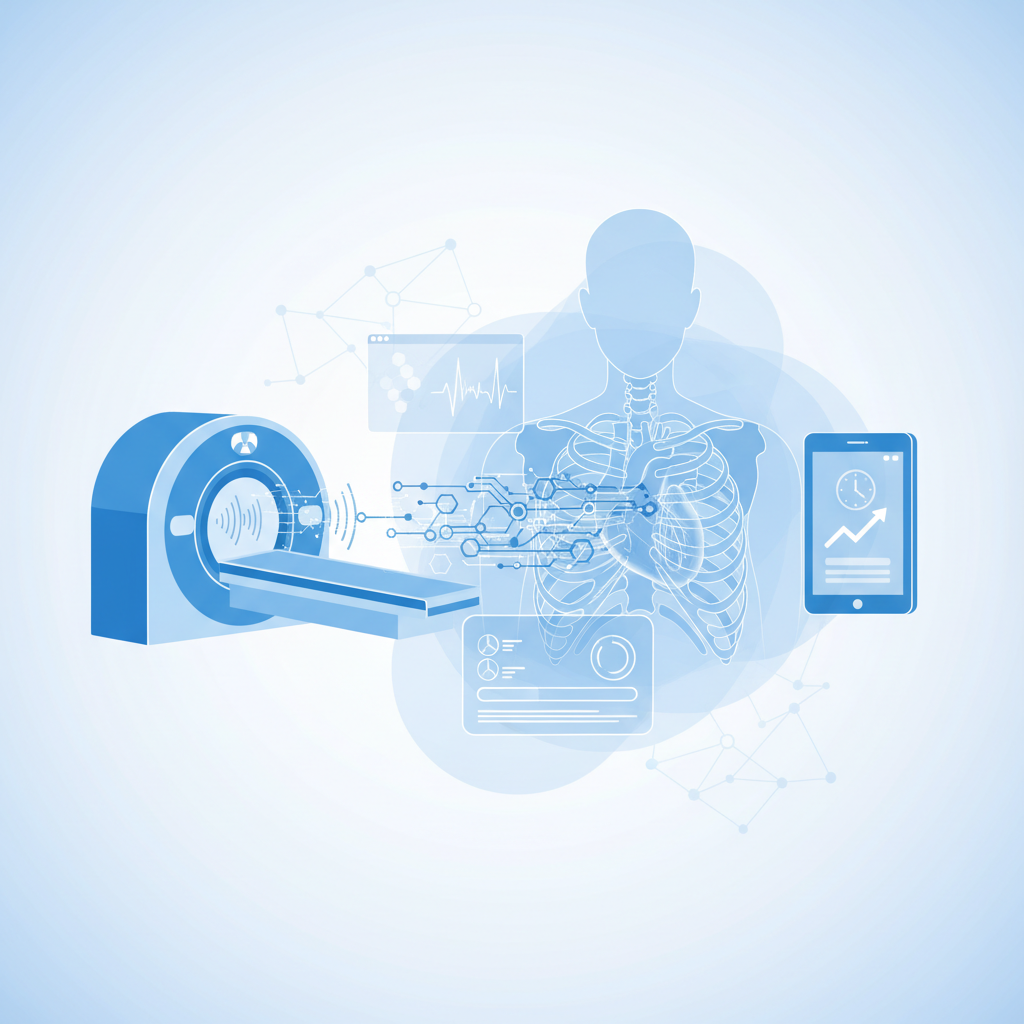
Optimizing Radiology Report Turnaround Time for Enhanced Patient Care
Radiology report turnaround time refers to the duration between the completion of a radiological examination (e.g., X-ray, CT scan, MRI) and the finalization and availability of the diagnostic report to the referring physician. This metric is a cornerstone of modern healthcare delivery, profoundly influencing patient management, treatment initiation, and overall clinical efficiency. In an era where timely diagnoses can dramatically alter patient prognoses, understanding and optimizing radiology report turnaround time is not merely a logistical concern but a critical determinant of healthcare quality.
The Critical Importance of Radiology Report Turnaround Time
The speed at which radiology reports are finalized and delivered has far-reaching implications. For patients, quicker access to diagnoses means less anxiety, faster treatment commencement, and potentially improved outcomes, especially in critical conditions where every minute counts. For referring physicians, timely reports enable prompt decision-making, leading to more efficient care pathways and reduced lengths of stay for hospitalized patients. Delays, conversely, can lead to postponed treatments, increased healthcare costs, and diminished patient satisfaction.
- Improved Patient Outcomes: Rapid diagnosis of conditions like stroke, trauma, or appendicitis directly impacts survival and recovery rates.
- Enhanced Clinical Efficiency: Streamlined workflows reduce bottlenecks and allow referring clinicians to act promptly.
- Reduced Healthcare Costs: Shorter hospital stays and avoidance of complications save resources.
- Increased Patient and Physician Satisfaction: Reliability and speed build trust in the diagnostic process.
Key Factors Influencing Radiology Report Turnaround Time
Several variables contribute to the overall radiology report turnaround time, creating a complex ecosystem that requires careful management:
Radiologist Availability and Workload
One of the most significant factors is the availability of qualified radiologists. A shortage of radiologists, coupled with increasing imaging volumes, can lead to extended backlogs. This is particularly evident during after hours radiology coverage, weekends, and holidays when on-site staffing may be limited. The demand for immediate case activity for emergent cases competes with the need to clear routine studies, further straining resources.
Complexity of Cases and Subspecialty Requirements
The nature of the studies varies greatly. A simple X-ray report might be completed in minutes, while a complex MRI requiring intricate measurements and differential diagnoses from a subspecialty radiology expert can take hours. Cases requiring particular subspecialty expertise, such as neuroradiology or musculoskeletal imaging, often necessitate review by specialists, which can extend the overall radiology report turnaround time if those specialists are not immediately available.
Technology and Workflow Efficiency
Outdated technology or inefficient workflows can significantly impede report delivery. Manual processes, slow network speeds, and incompatible systems create bottlenecks. Conversely, robust PACS Radiology Systems, integrated RIS (Radiology Information Systems), and streamlined radiology workflow automation tools are crucial for optimizing efficiency.
Communication and Integration
Seamless communication between imaging departments, radiologists, and referring clinicians is vital. Delays can occur if there are inefficiencies in transmitting images, sharing reports, or obtaining necessary clinical history.
Strategies for Optimizing Radiology Report Turnaround Time
Improving radiology report turnaround time requires a multi-faceted approach, incorporating technological advancements, operational adjustments, and strategic partnerships.
Leveraging imaging operations Services
imaging operations has emerged as a powerful solution, particularly for extending coverage and accessing specialized expertise. By allowing images to be transmitted digitally, imaging operations services enable radiologists to access studies remotely, bridging geographical and time-zone gaps. This is especially beneficial for:
- After Hours Radiology Coverage: Ensuring prompt case activity during nights, weekends, and holidays without requiring on-site staff.
- Subspecialty Access: Providing immediate access to subspecialized radiologists for complex cases, regardless of the facility's location.
- Workload Balancing: Distributing studies across a wider network of radiologists to prevent backlogs.
For more detailed information, explore Comprehensive Guide to imaging operations Services.
Implementing Radiology AI and Advanced Technologies
Radiology AI is rapidly transforming how reports are generated and prioritized. AI algorithms can:
- Prioritize Critical Cases: Automatically flag studies with high-risk findings, ensuring they are reviewed first.
- Automate Measurements and Detections: Assist radiologists by performing repetitive tasks like lesion measurement or anomaly detection, saving valuable time.
- Draft case coordination: In some instances, AI can generate case coordination for common findings, which radiologists then review and finalize.
While AI tools are meant to augment, not replace, radiologists, they significantly contribute to reducing the overall radiology report turnaround time.
Optimizing Workflow and Process Efficiency
Streamlining internal processes is paramount. This includes:
- Standardizing Reporting Templates: Ensures consistency and efficiency in report generation.
- Implementing Voice Recognition Software: Accelerates dictation and reduces transcription time.
- Continuous Workflow Analysis: Regularly identifying and eliminating bottlenecks in the imaging and reporting pathway.
- Integrating Systems: Ensuring seamless data flow between RIS, PACS, and EMR systems.
Understanding how to optimize your radiology workflow is crucial for maximizing efficiency.
Investing in Robust PACS and Information Systems
A high-performance PACS system is the backbone of efficient image management and report distribution. It ensures fast image retrieval, secure data storage, and easy access for authorized personnel. Integration with RIS and EMR systems allows for automatic report delivery to referring physicians, reducing manual steps and potential delays.
Challenges in Achieving Optimal Radiology Report Turnaround Time
Despite the strategies available, healthcare providers often face persistent challenges in optimizing radiology report turnaround time:
Radiologist Shortages and Burnout
The national and global shortage of radiologists, coupled with an increasing volume of complex studies, places immense pressure on existing staff. This can lead to burnout, affecting both speed and quality of clinical documentation.
Financial Constraints
Implementing advanced technologies like AI, upgrading PACS systems, or securing comprehensive radiology workflow support through outsourcing can be costly. Facilities must balance investment with anticipated returns and patient benefit.
Integration Complexities
Achieving seamless integration between various IT systems (PACS, RIS, EMR) can be technically challenging and time-consuming, requiring significant IT resources and expertise.
Maintaining Quality While Increasing Speed
The primary goal is not just speed, but accurate speed. Accelerating turnaround time must never come at the expense of diagnostic accuracy. Quality control measures, peer review, and continuous education are essential.
Best Practices for Sustainable Improvements
"Fast, accurate radiology reporting is not just a convenience; it's a cornerstone of modern patient care, driving timely diagnoses and effective treatment plans." - American College of Radiology (ACR)
To establish consistently excellent radiology report turnaround time, consider these best practices:
- Set Clear Benchmarks: Define realistic and measurable turnaround time goals for different study types (e.g., critical, emergent, routine).
- Utilize imaging operations for Surge Capacity: Partner with outsourcing solutions to handle peak volumes or provide specialized case activity.
- Invest in Continuous Training: Ensure radiologists and technologists are proficient with the latest technologies and reporting standards.
- Foster Interdepartmental Collaboration: Establish clear communication channels between imaging, clinical, and IT departments.
- Regularly Audit and Review: Conduct periodic audits of radiology report turnaround time data to identify trends, areas for improvement, and validate strategies.
- Prioritize Critical Findings: Implement robust systems for immediate notification of critical findings to referring clinicians.
The Future of Radiology Reporting: Speed, Accuracy, and Intelligence
The landscape of radiology is continually evolving. Future trends point towards even greater reliance on automation, connectivity, and artificial intelligence to further refine radiology report turnaround time. The integration of advanced AI predictive analytics will likely help forecast workload, optimize staffing, and even suggest differential diagnoses based on vast datasets. Furthermore, the expansion of remote radiology reporting will continue to democratize access to expert clinical documentation, ensuring that even remote facilities can benefit from rapid, specialized diagnostic services.
Key Takeaways
Optimizing radiology report turnaround time is a multifaceted endeavor that is central to high-quality patient care. It requires a strategic combination of skilled personnel, cutting-edge technology, and efficient processes. By embracing solutions like imaging operations for enhanced after hours radiology coverage and access to subspecialty radiology expertise, alongside the transformative power of radiology AI, healthcare organizations can significantly reduce reporting delays. This leads to faster diagnoses, improved patient outcomes, and a more efficient healthcare system overall.
For organizations seeking to enhance their radiology report turnaround time and overall diagnostic capabilities, exploring partnerships with leading radiology service providers can offer tailored solutions. RAD365 specializes in delivering efficient and accurate radiology reporting to meet the evolving demands of modern healthcare.
Frequently Asked Questions
1. What is radiology report turnaround time?
Radiology report turnaround time (TAT) is the duration from the completion of an imaging study to the finalization and availability of the diagnostic report. It's a key metric for healthcare efficiency and patient care.
2. Why is optimizing radiology report turnaround time important?
Optimizing TAT is crucial because it directly impacts patient outcomes by enabling quicker diagnosis and treatment, enhances clinical efficiency for referring physicians, reduces healthcare costs, and improves overall patient and physician satisfaction.
3. How does after hours radiology coverage affect turnaround time?
Effective after hours radiology coverage significantly improves TAT by ensuring continuous clinical documentation of urgent studies outside of regular working hours. This prevents delays and allows for immediate clinical action for emergent cases.
4. Can subspecialty radiology improve turnaround time for complex cases?
Yes, access to subspecialty radiology expertise can expedite TAT for complex cases by ensuring the correct clinical documentation is provided quickly and accurately the first time, avoiding delays from generalists or external referrals.
5. What role does radiology AI play in reducing turnaround time?
Radiology AI assists in reducing TAT by automating tasks like prioritizing critical cases, detecting anomalies, and even drafting case coordination. This enables radiologists to focus more on complex clinical documentation and enhances overall efficiency.
6. What are common challenges to achieving fast radiology report turnaround time?
Common challenges include radiologist shortages, increasing workload, financial constraints for technology upgrades, difficulties in system integration, and the need to maintain diagnostic accuracy while increasing speed.
7. How can imaging operations help improve radiology report turnaround time?
imaging operations improves TAT by providing remote access to a wider network of radiologists, offering 24/7 or after-hours coverage, filling staffing gaps, and facilitating access to subspecialty expertise regardless of location.
8. What are the industry benchmarks for radiology report turnaround time?
Benchmarks vary by modality and urgency. For critical or emergent cases, times can range from 30 minutes to 1 hour, while routine studies might have TATs of several hours to 24-48 hours. Accreditation bodies often set specific guidelines.
9. How does technology like PACS systems influence turnaround time?
Robust PACS (Picture Archiving and Communication Systems) are vital as they allow for rapid image retrieval, secure storage, and efficient distribution of images and reports, eliminating manual processes that cause delays.
10. What are the best practices for optimizing radiology report turnaround time?
Best practices include setting clear benchmarks, using imaging operations for surge capacity, continuous staff training, fostering interdepartmental collaboration, regularly auditing data, and prioritizing critical findings.
11. How does poor radiology report turnaround time affect patient care?
Poor TAT can lead to delayed diagnoses, postponed treatments, increased patient anxiety, longer hospital stays, potential adverse health outcomes, and a decline in overall patient satisfaction.
12. Can voice recognition software speed up report generation?
Yes, integrating voice recognition software significantly speeds up report generation by allowing radiologists to dictate findings directly into a system, reducing or eliminating the need for manual transcription and associated delays.
13. What is the impact of inefficient workflow on radiology report turnaround time?
Inefficient workflows, such as manual processes, lack of integration between systems, or poor communication protocols, create bottlenecks that directly prolong the radiology report turnaround time.
14. How do you measure radiology report turnaround time?
TAT is typically measured from the 'study completed' timestamp in the PACS/RIS to the 'report signed' or 'report available' timestamp. This data is then analyzed to identify averages and outliers.
15. Does outsourced radiology services improve turnaround time?
Yes, outsourced radiology services, especially imaging operations, can significantly improve TAT by providing additional image access capacity, access to specialists, and 24/7 coverage, distributing workload and preventing backlogs.
16. What is the difference between 'case coordination' and 'final' radiology report turnaround time?
case coordination TAT refers to the time it takes for an initial image access, often for emergency cases to guide immediate care. Final TAT is the time until the comprehensive, officially signed report is available, usually after a detailed review.
17. How can a clinic or hospital reduce their average radiology report turnaround time?
They can reduce it by leveraging imaging operations for extended coverage and subspecialty case activity, implementing AI tools for prioritization, optimizing internal workflows, upgrading PACS/RIS systems, and providing continuous staff training.
18. Are there specific regulations or guidelines for radiology report turnaround time?
While specific regulations vary by region and accreditation body (e.g., ACR in the US), many establish best practice guidelines for TAT, especially for critical and emergent findings, to ensure patient safety and quality of care.
19. What are the cost implications of delayed radiology report turnaround time?
Delayed TAT can lead to increased costs due to longer hospital stays, readmissions for preventable complications, repeated imaging studies, and potential medico-legal issues from delayed diagnoses.
20. How do veterinary radiology services address turnaround time for animal patients?
Similar to human medicine, veterinary radiology services utilize imaging operations and efficient workflows to ensure timely reporting for animal patients. Rapid TAT is crucial for guiding swift treatment decisions in veterinary care, impacting animal welfare and owners' peace of mind.
