Revolutionizing Healthcare: The Impact of Radiology AI
Explore how radiology AI is transforming diagnostic imaging, improving patient care, and streamlining medical imaging outsourcing. Discover key benefits, challenges, and future trends.
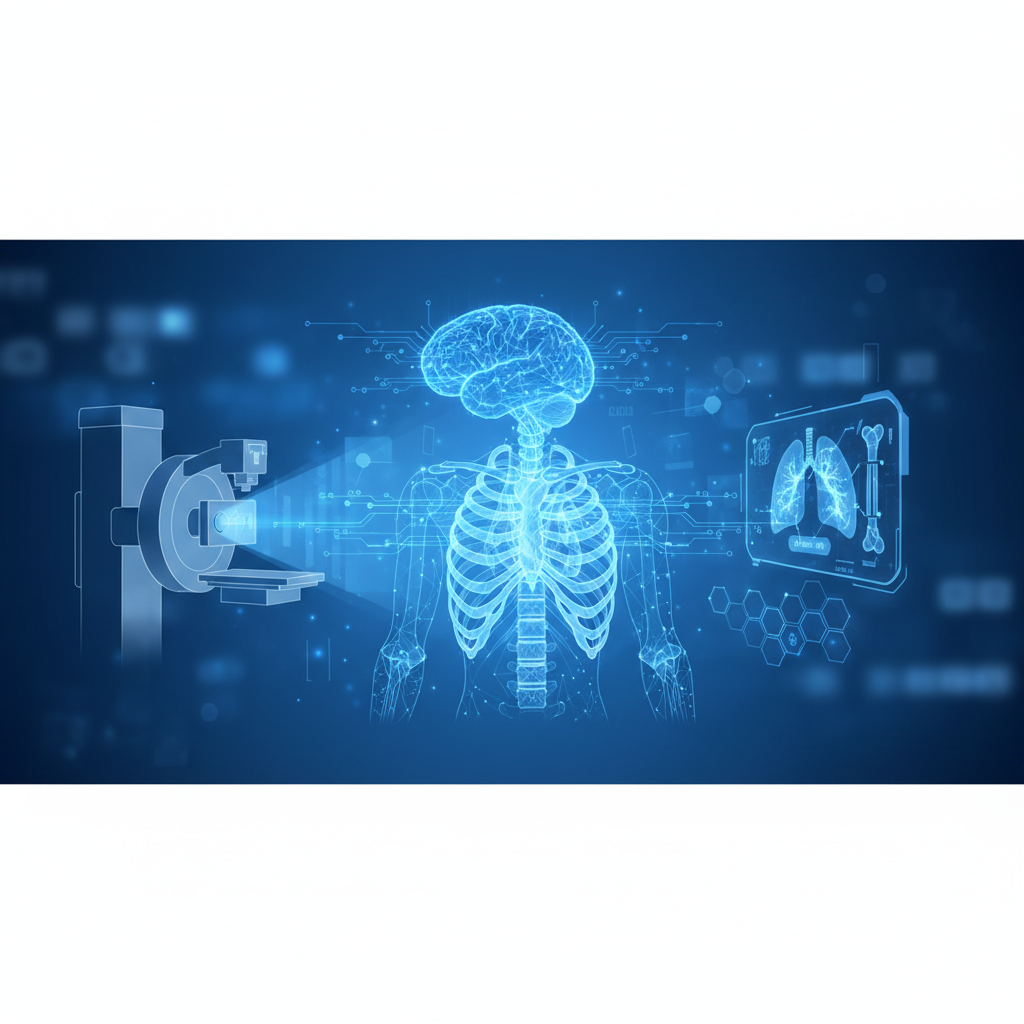
The Transformative Power of Radiology AI in Diagnostic Imaging
Radiology AI, or artificial intelligence in radiology, refers to the application of advanced computational algorithms and machine learning techniques to medical imaging data. This innovative field is designed to assist radiologists in a myriad of tasks, from image acquisition and clinical documentation to reporting and clinical decision support. The integration of AI into diagnostic imaging services represents one of the most significant advancements in modern medicine, promising to enhance diagnostic accuracy, streamline workflows, and ultimately improve patient outcomes.
The core concept behind radiology AI involves training algorithms on vast datasets of medical images and corresponding diagnoses. This allows the AI to learn patterns, identify anomalies, and even predict disease progression with a speed and consistency that often surpasses human capabilities. While AI is not intended to replace human radiologists, it serves as a powerful assistant, augmenting their expertise and allowing them to focus on complex cases and patient interaction.
The growing volume of medical images, coupled with a global shortage of radiologists, has created an urgent need for solutions that can enhance efficiency without compromising quality. Radiology AI steps in to fill this gap, offering a scalable and robust approach to managing the increasing demand for high-quality diagnostic clinical documentation.
Key Benefits of Integrating Radiology AI into Clinical Practice
The adoption of radiology AI brings forth a multitude of benefits that positively impact every facet of diagnostic imaging. These advantages are drawing significant attention from healthcare administrators, radiologists, and IT professionals alike.
- Enhanced Diagnostic Accuracy and Early Detection: AI algorithms can identify subtle patterns or lesions that might be easily missed by the human eye, particularly in complex or early-stage diseases. This leads to more precise diagnoses and facilitates earlier intervention, significantly improving prognosis for patients. For instance, AI in mammography can detect breast cancer with higher sensitivity and specificity.
- Improved Efficiency and Workflow Optimization: By automating repetitive tasks such as image sorting, measurement, and case coordination analysis, radiology AI frees up radiologists' time. This allows them to focus on critical decision-making and difficult cases, thereby optimizing radiology report turnaround time. AI can prioritize urgent cases, ensuring that critical findings are addressed promptly, which is vital for ensuring continuous after-hours radiology coverage.
- Reduction in Workload and Burnout: The sheer volume of images can lead to radiologist burnout. AI tools act as a 'second pair of eyes,' reducing the cognitive load and helping manage the increasing demand for radiology workflow support. This leads to a more sustainable and healthier work environment for medical professionals.
- Standardization and Consistency: AI tools provide consistent clinical documentation, reducing inter-observer variability among radiologists. This standardization is crucial for maintaining high quality across different imaging centers and radiologists, contributing to more reliable diagnostic outcomes.
- Cost-Effectiveness and Resource Allocation: While initial investment is required, the long-term benefits of radiology AI often translate into cost savings. Faster diagnoses mean quicker treatment plans, potentially reducing hospital stays and optimizing resource utilization. Furthermore, streamlined workflows reduce operational costs associated with radiology billing services and administrative overhead.
- Support for Subspecialty Radiology: AI can be particularly valuable in supporting subspecialty radiology by rapidly analyzing complex studies in areas like neuroradiology, cardiac imaging, or musculoskeletal imaging, where specialized expertise is paramount.
Challenges and Considerations in Implementing Radiology AI
Despite its immense potential, the widespread adoption of radiology AI is not without its challenges. Addressing these hurdles is crucial for successful integration into healthcare systems.
Data Quality and Availability
AI models are only as good as the data they are trained on. High-quality, diverse, and well-annotated datasets are essential for developing robust and generalizable AI algorithms. Challenges include:
- Data Volume and Diversity: Obtaining enough varied data representative of different patient demographics, pathologies, and imaging equipment can be difficult.
- Annotation and Labeling: Accurate labeling of medical images requires significant time and expert radiological input, which is often a bottleneck in AI development.
- Data Bias: If training data is skewed, the AI model may perpetuate or even amplify biases, leading to suboptimal performance in underrepresented populations.
Regulatory and Ethical Concerns
The introduction of AI into clinical practice raises important regulatory and ethical questions:
- Regulatory Approval: Navigating the complex regulatory landscape for AI as a medical device (SaMD) can be time-consuming and costly. Ensuring products meet standards for safety and efficacy is paramount.
- Accountability and Liability: Determining who is responsible when an AI algorithm makes an error (e.g., the developer, the radiologist, the hospital) is a complex legal and ethical issue.
- Patient Trust and Acceptance: Building patient and clinician trust in AI-driven diagnoses requires transparency and continuous education about the technology's capabilities and limitations.
Integration and Workflow Adaptation
Seamless integration of AI tools into existing radiology workflows and IT infrastructure is critical for adoption:
- Interoperability: AI solutions must seamlessly integrate with existing Picture Archiving and Communication Systems (PACS radiology), Electronic Health Records (EHRs), and reporting systems.
- User Interface and Experience: Tools must be intuitive and user-friendly to avoid adding complexity to the radiologist's already demanding workflow.
- Clinical Validation: Rigorous prospective clinical trials are necessary to demonstrate the real-world value and safety of radiology AI in diverse clinical settings.
Implementing Radiology AI: Best Practices and Strategic Planning
Successful implementation of radiology AI requires strategic planning, a phased approach, and collaboration across various stakeholders. Healthcare organizations considering this technology should focus on several key areas.
Assessing Needs and Setting Clear Objectives
Before investing in AI, hospitals and imaging centers should clearly define the problems they aim to solve. Are they looking to reduce turnaround times, improve detection rates for specific diseases, or support veterinary radiology services?
- Identify Specific Use Cases: Focus on areas where AI can provide the most significant immediate impact, such as stroke detection, nodule detection in lung screenings, or fracture identification.
- Define Success Metrics: Establish measurable goals, such as percentage reduction in false positives/negatives, decrease in image access time, or improvement in patient throughput.
Pilot Programs and Phased Rollouts
Start small, gather feedback, and iterate. A pilot program allows for testing the AI solution in a controlled environment before full deployment.
- Select a Champion: Empower a radiologist or clinical leader to champion the AI initiative and drive adoption.
- Gather User Feedback: Actively solicit input from radiologists, technologists, and IT staff to identify pain points and optimize the user experience.
- Train and Educate Staff: Provide comprehensive training on how to use the AI tools, understanding their strengths and limitations, and ethical considerations.
Vendor Selection and Partnership
Choosing the right AI vendor is crucial. Consider factors beyond just the AI's performance metrics.
- Integration Capabilities: Ensure the AI solution can seamlessly integrate with existing PACS radiology and reporting systems.
- Regulatory Status: Verify that the AI product has necessary regulatory approvals (e.g., FDA clearance in the US, CE mark in Europe).
- Ongoing Support and Updates: A reliable vendor will offer continuous support, software updates, and be responsive to feedback.
- Data Security and Privacy: Prioritize vendors with robust data security protocols and compliance with healthcare data privacy regulations (e.g., HIPAA).
Continuous Monitoring and Optimization
AI models require ongoing monitoring and occasional retraining to maintain optimal performance as clinical practices evolve and new data emerges.
- Performance Tracking: Regularly evaluate the AI's performance against the defined success metrics.
- Feedback Loop: Establish a clear mechanism for radiologists to provide feedback on AI results, which can be used to further refine the algorithms.
- Staying Current: Keep abreast of new developments in radiology AI and consider how new advancements can further enhance existing solutions or address new challenges.
The Role of Radiology AI in Medical Imaging Outsourcing
Radiology AI is poised to significantly transform the landscape of medical imaging outsourcing. As an increasing number of healthcare facilities seek external partners for diagnostic imaging services, AI can enhance the quality, speed, and cost-effectiveness of these outsourced operations.
Outsourcing radiology clinical documentation, often referred to as imaging operations, benefits greatly from AI's capabilities. AI can act as a crucial 'first pass' interpreter for studies sent to remote radiologists. This pre-analysis can highlight critical findings, categorize studies by urgency, and even generate case coordination, allowing the remote radiologist to review findings more efficiently. This approach is particularly valuable for optimizing patient care with remote radiology reporting and supporting after-hours radiology coverage, where speed is paramount.
For companies providing outsourced radiology workflow support, integrating radiology AI tools can lead to:
- Increased Throughput: Process more studies in less time, enhancing overall capacity.
- Improved Accuracy of Initial case activity: Reduce the chance of missing critical findings, improving the overall quality of outsourced clinical documentation.
- Better Resource Allocation: AI can help prioritize cases, ensuring that the most experienced subspecialty radiologists are assigned to the most complex studies, while more routine cases can be handled efficiently with AI assistance. This can be especially beneficial for managing a diverse range of studies for subspecialty radiology needs.
- Enhanced Cost Efficiency: By streamlining workflows and improving diagnostic precision, AI can contribute to more efficient operations, indirectly impacting radiology billing services and overall profitability for outsourcing partners.
As the demand for medical imaging continues to rise globally, radiology AI provides an invaluable tool for outsourcing providers to maintain high standards of care while managing operational complexities. This synergy between AI and imaging operations is set to define the future of global diagnostic services.
Future Trends and Emerging Innovations in Radiology AI
The field of radiology AI is evolving at a rapid pace, with new research and applications emerging constantly. The future promises even more sophisticated and integrated AI solutions.
Generative AI and Synthetic Data
Beyond analytical capabilities, generative AI is a burgeoning area. This technology could create synthetic medical images for training AI models, addressing challenges related to data scarcity and privacy. It could also generate realistic variations of pathologies, enhancing model robustness.
Multimodal AI
Current AI often focuses on single imaging modalities. Future developments will likely involve multimodal AI, which integrates data from various sources—such as different imaging types (CT, MRI, X-ray), pathology reports, clinical notes, and genetic data. This holistic approach promises a more comprehensive diagnostic picture and better predictive models, significantly elevating the value of diagnostic imaging services.
Explainable AI (XAI)
One of the limitations of current AI is its 'black box' nature. Explainable AI aims to make AI decisions more transparent and understandable to human users. This will be crucial for building trust and allowing radiologists to critically evaluate AI-generated findings, fostering better collaboration between human and machine.
AI for Quantitative Imaging Biomarkers
AI is increasingly being used to extract quantitative biomarkers from medical images that are difficult for humans to discern. These biomarkers can track disease progression, predict treatment response, and aid in personalized medicine, opening new avenues for research and clinical care.
Point-of-Care AI Devices
The miniaturization and increased computational power of devices will likely lead to more AI integration directly into point-of-care imaging equipment. This could enable real-time AI analysis during exams, guiding technologists and potentially even informing immediate clinical decisions in urgent settings.
The continuous innovation in radiology AI promises a future where diagnostic imaging is even more precise, efficient, and deeply integrated into the fabric of patient care, driving advancements in both human and veterinary radiology services.
Key Takeaways
The integration of radiology AI is revolutionizing diagnostic imaging services by enhancing accuracy, improving workflow efficiency, and addressing the growing demand for expert clinical documentation. While challenges such as data quality, regulatory hurdles, and seamless integration exist, strategic planning and collaborative efforts can overcome them.
AI plays a pivotal role in optimizing radiology workflow support, particularly in the context of remote radiology reporting and medical imaging outsourcing, by speeding up turnaround times and ensuring high-quality, consistent results. Its future holds even greater promise with advancements in multimodal and explainable AI, further solidifying its position as an indispensable tool in modern healthcare. Embracing these technologies ensures that healthcare providers remain at the forefront of patient care, operational efficiency, and innovative solutions for radiology billing services and comprehensive radiology workflow management.
To learn more about how advanced solutions can streamline your imaging operations and maximize diagnostic precision, consider exploring cutting-edge imaging operations and AI-enabled services, like those offered by RAD365.
Frequently Asked Questions
1. What is radiology AI?
Radiology AI is the application of artificial intelligence and machine learning algorithms to medical imaging data to assist radiologists with tasks such as image analysis, clinical documentation, and diagnosis, enhancing efficiency and accuracy in diagnostic imaging services.
2. How does radiology AI improve diagnostic accuracy?
Radiology AI algorithms are trained on vast datasets to detect subtle patterns, anomalies, and early signs of disease that human radiologists might miss, leading to more precise diagnoses and earlier intervention for patients.
3. Can radiology AI replace human radiologists?
No, radiology AI is designed to augment, not replace, human radiologists. It acts as a powerful tool to assist in complex tasks, reduce workload, and improve efficiency, allowing radiologists to focus on critical cases and patient care.
4. What are the main benefits of using radiology AI?
Key benefits include enhanced diagnostic accuracy, improved workflow efficiency, reduced radiologist workload, standardization of clinical documentation, and cost-effectiveness through optimized resource allocation. It directly impacts radiology workflow support.
5. What kind of medical images can radiology AI analyze?
Radiology AI can analyze various types of medical images, including X-rays, CT scans, MRI scans, ultrasound, and mammograms, across different bodily systems for human and veterinary radiology services.
6. What are the challenges in implementing radiology AI?
Challenges include ensuring high-quality and diverse data for training, navigating complex regulatory approvals, addressing ethical concerns around accountability, and seamlessly integrating AI tools into existing radiology workflow systems.
7. How does radiology AI affect radiology workflow?
Radiology AI streamlines workflow by automating repetitive tasks, prioritizing urgent cases, and assisting with case coordination analysis, allowing radiologists to optimize their time and improve overall efficiency in diagnostic imaging.
8. Is radiology AI used in medical imaging outsourcing?
Yes, radiology AI is increasingly leveraged in medical imaging outsourcing to enhance the speed, accuracy, and efficiency of remote radiology workflow support, supporting continuous coverage and high-quality clinical documentation globally.
9. What is the cost of implementing radiology AI?
The cost varies significantly depending on the specific AI solution, vendor, integration complexity, and required infrastructure. While initial investment can be substantial, long-term benefits often include cost savings through increased efficiency and improved patient outcomes.
10. How does AI support subspecialty radiology?
AI assists subspecialty radiologists by rapidly processing and highlighting relevant findings in specialized studies (e.g., neuroradiology, cardiac imaging), allowing specialists to focus their deep expertise on complex diagnostic challenges.
11. What role does data quality play in radiology AI?
Data quality is paramount because AI models are only as effective as the data they are trained on. High-quality, diverse, and accurately annotated datasets are crucial for developing robust, unbiased, and reliable radiology AI algorithms.
12. Are there ethical concerns with radiology AI?
Yes, ethical concerns include data privacy, potential biases in algorithms, accountability for errors, and the need for transparency in AI decision-making (explainable AI) to maintain patient and clinician trust.
13. How does radiology AI contribute to revenue cycle management?
By improving diagnostic accuracy and efficiency, AI can lead to faster report turnaround times and more precise coding, which in turn can optimize revenue cycle management, improve claims processing, and enhance overall radiology billing services.
14. What is the future of radiology AI?
The future of radiology AI includes advancements in generative AI, multimodal AI (integrating various data sources), explainable AI for transparency, quantitative imaging biomarkers, and point-of-care AI devices for real-time analysis.
15. How can hospitals choose the right radiology AI vendor?
Hospitals should consider vendor's integration capabilities with existing PACS, regulatory approvals of their products, quality of ongoing support, data security protocols, and successful clinical validation of their AI solutions.
16. What is 'Explainable AI' in radiology?
Explainable AI (XAI) in radiology focuses on making AI's decision-making processes transparent and understandable to human users, allowing radiologists to comprehend why an AI reached a particular conclusion and facilitating greater trust and collaboration.
17. Does radiology AI help with after-hours radiology coverage?
Yes, radiology AI can significantly assist by quickly triaging and highlighting critical findings in after-hours studies, empowering remote radiologists to prioritize urgent cases and ensure continuous, timely diagnostic support.
18. How does AI impact radiology report turnaround time?
AI improves report turnaround time by automating case coordination analysis, flagging critical findings, and assisting with accurate measurements, allowing radiologists to complete clinical documentation more quickly and efficiently.
19. Can AI be used in veterinary radiology?
Yes, the principles of radiology AI can be applied to veterinary radiology services to assist in the diagnosis of diseases in animals, offering similar benefits in accuracy and efficiency as in human diagnostic imaging.
20. What is the importance of PACS integration with radiology AI?
Seamless integration with PACS (Picture Archiving and Communication Systems) is crucial for radiology AI to ensure that AI tools can access, process, and return analyzed imaging data within the existing clinical workflow, enhancing efficiency without disruption.
