Third-Party PACS Support: What It Covers and How It Works
Third party PACS support puts an outside team in charge of your imaging system. See how RAD365 handles hardware, help desk, storage, and AWS servers.
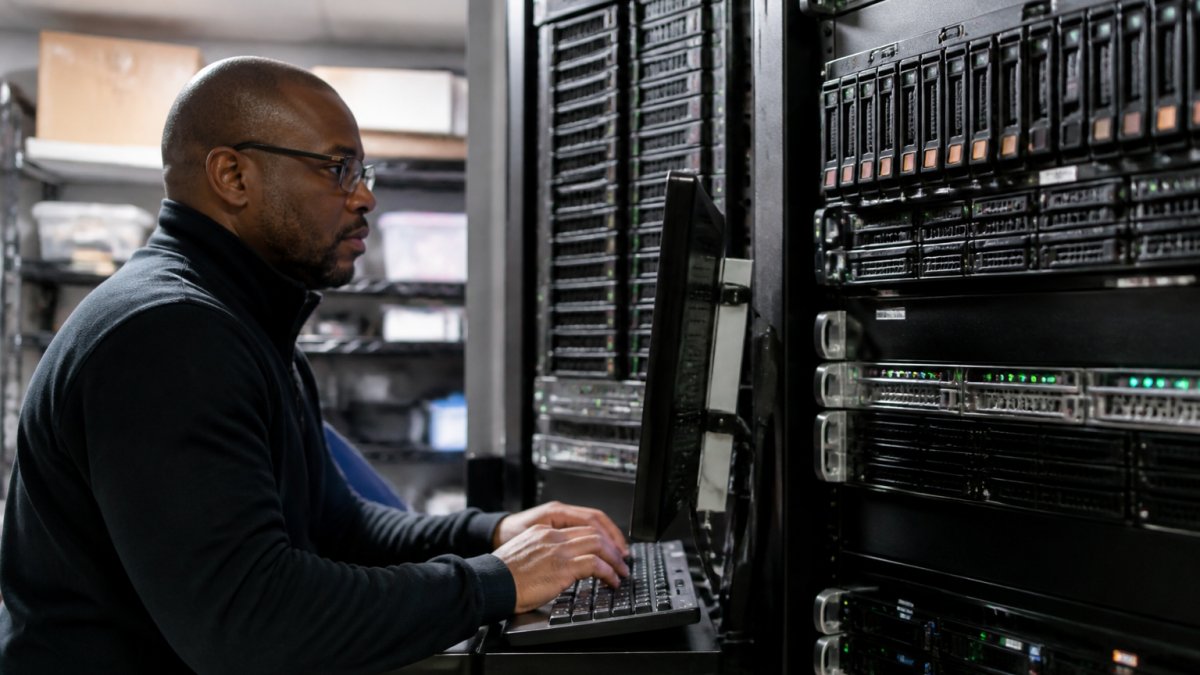
Table of Contents
- What Third-Party PACS Support Means for Your Imaging System
- PACS Help Desk Support and PACS Hardware Management
- PACS Database Clean-Up and PACS Storage Management
- When a Third-Party Team Takes Over an Existing System
- Frequently Asked Questions
Last Updated: October 12, 2026
What Third-Party PACS Support Means for Your Imaging System
Third-party PACS support is an arrangement in which an outside operations team runs and maintains a picture archiving and communication system that another vendor owns or originally supplied. The hospital or imaging center keeps its existing system; what changes is who administers it day to day.
Many imaging organizations reach a point where the original vendor's role has narrowed. The system still works, but the contract no longer covers hardware failures, database growth, storage pressure, or integration requests from new sites and modalities.
RAD365 is a physician-owned operations partner that provides an outsourced team to run and administer a customer's PACS for hospitals, imaging centers and radiology groups. It provides the people and operations, not the software. Its radiology IT support service is built around this scenario: a system owned by someone else, managed by a team that answers to the imaging organization.
A third-party PACS support engagement typically covers hardware management, a Level 1-3 IT help desk, database clean-up, storage management, new site integrations, and AWS server management.
PACS Help Desk Support and PACS Hardware Management
PACS help desk support gives clinical and IT staff a single point of contact for imaging system issues, staffed around the clock. A level 1 to 3 help desk means the same team handles the first call and the deepest technical fault, so issues do not stall between tiers. This streamlined resolution process extends beyond routine maintenance to provide specialized clinical operations support for complex imaging research workflows.
Hardware management covers the servers, workstations, and storage components the imaging system depends on, including monitoring and replacement planning.
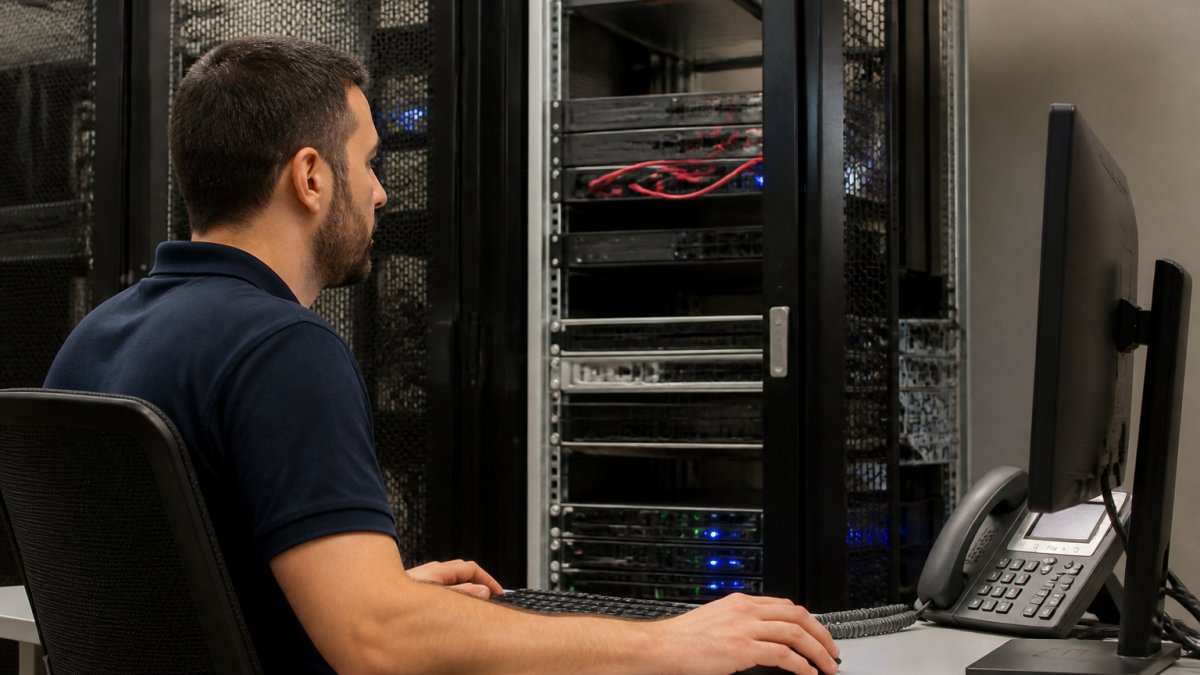
A failed modality connection or a storage volume approaching capacity needs an answer within minutes. A help desk that understands diagnostic imaging, DICOM, and HL7 behaves differently from a general IT desk learning the environment during an incident.
PACS Database Clean-Up and PACS Storage Management
PACS database clean-up addresses accumulated errors, orphaned records, and duplicate entries built up over years of operation. Left unchecked, these issues surface as slow study searches, failed prefetches, and missing clinical data.
Storage management is the companion discipline. Imaging volumes grow continuously, and the rules deciding what stays on fast storage, what migrates to archive, and what can be compressed need periodic review.
Both areas reward routine attention over emergency response. A database audit that resolves mismatched study records prevents discrepancies that later look like data loss, and a storage review that rebalances tiers keeps retrieval times steady as volume climbs.
When a Third-Party Team Takes Over an Existing System
Taking over a system owned by another vendor requires clear architecture documentation, a component ownership matrix, and defined operational boundaries between the original vendor and the support team. Defining this operational boundary determines whether a support transition succeeds or fails.
A support contract should state what happens when an issue spans both parties, who leads the escalation, and how response and resolution times are measured.
Remote access should follow the organization's own access policies, with logging that satisfies its auditors, and the organization should be able to leave an arrangement without losing access to its own data or system documentation.
For organizations between contracts or waiting on a migration, interim PACS support covers the gap so uptime does not depend on a signature.
Frequently Asked Questions
What is third-party PACS support?
It is an arrangement where an outside team takes over the day-to-day administration of a PACS that another vendor owns or licenses. RAD365 provides the people and operations, not software. That covers hardware, a level 1 to 3 help desk, database clean-up, storage management, and AWS server management. Your imaging system stays with its current vendor; the operational work moves to a dedicated team.
Can an outside team manage a PACS owned by another vendor?
Yes. RAD365 works alongside the existing vendor rather than replacing it. The vendor keeps its product responsibilities, while RAD365 handles hardware management, help desk tickets, database maintenance, storage, and server operations. This arrangement suits imaging centers whose vendor has ended support or whose internal IT team is stretched thin.
How does interim PACS support differ from ongoing support?
Interim support covers a defined period, often during a migration, a vendor transition, or a staff vacancy. Ongoing support is continuous administration of the full environment. Both use the same team model: hardware, help desk, database, storage, and AWS server management. Imaging directors planning a transition often start with interim coverage and extend it if needed.
