Understanding PACS Radiology: A Comprehensive Guide
Explore PACS radiology systems, their role in modern imaging, benefits for patient care, and emerging trends. Gain insights for healthcare administrators.
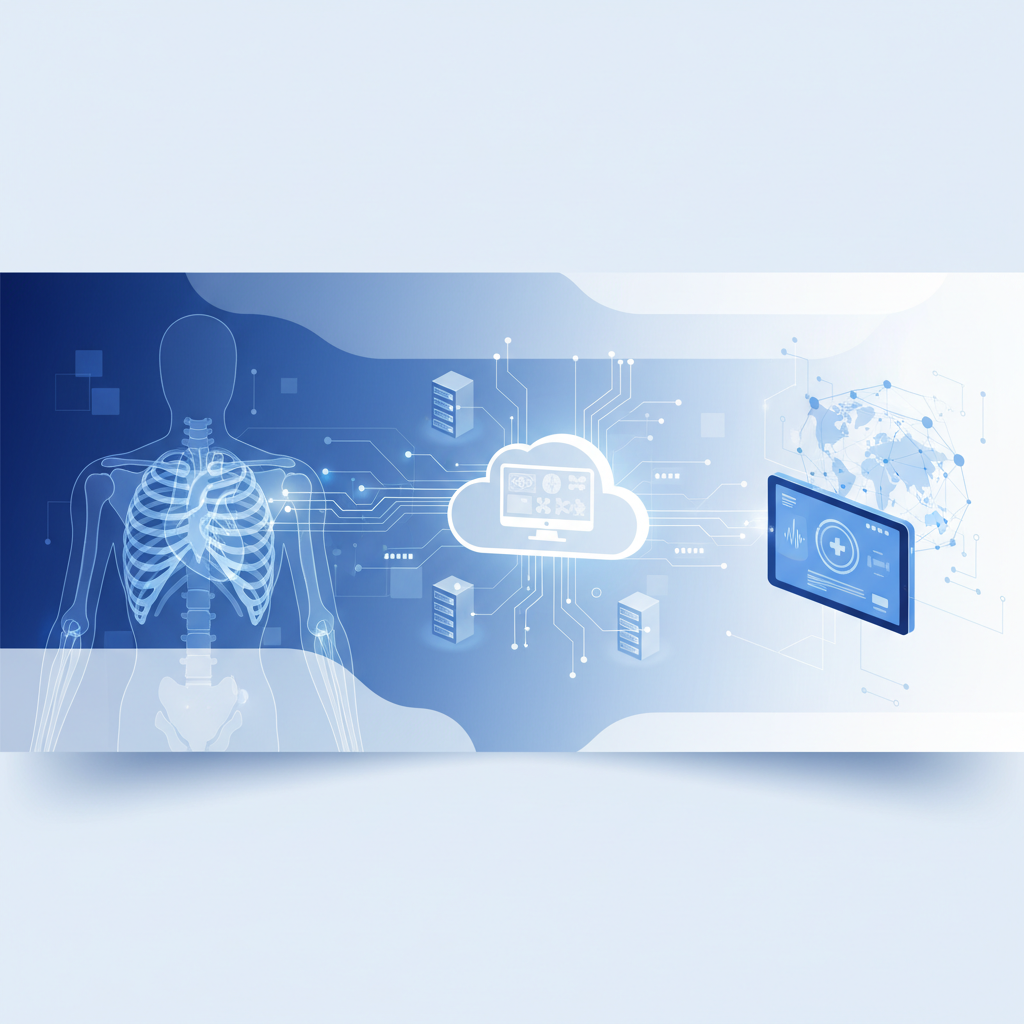
Understanding PACS Radiology: The Backbone of Modern Imaging
In the evolving landscape of healthcare, efficient management of medical images is paramount. At the heart of this efficiency lies PACS radiology, or Picture Archiving and Communication Systems. These sophisticated systems have fundamentally transformed how medical images are acquired, stored, viewed, and distributed. For healthcare administrators, radiologists, and hospital decision-makers, a clear understanding of PACS radiology is essential for optimizing operations, improving patient care, and ensuring data security.
A PACS system is a medical imaging technology that provides economical storage and convenient access to images from multiple modalities (source machine types). Electronic images and reports are transmitted digitally via PACS, which eliminates the need to manually file, retrieve, or transport film jackets. The universal format for PACS image storage and transfer is DICOM (Digital Imaging and Communications in Medicine). This digital infrastructure supports the seamless flow of diagnostic information, significantly impacting optimizing patient care with remote radiology reporting and overall radiology workflow.
The Evolution and Key Components of PACS Radiology
The journey of medical imaging from physical films to digital files has been transformative. Early PACS systems were primarily focused on archiving, but modern PACS radiology has grown into comprehensive solutions that integrate various aspects of radiology practice. Key components typically include:
- Imaging Modalities Integration: Connecting directly to MRI, CT, X-ray, ultrasound, and other imaging devices.
- Archiving and Storage: Secure, scalable storage for vast quantities of medical images, often leveraging cloud-based solutions for enhanced accessibility and redundancy.
- Viewing Workstations: Specialized software and hardware that allow radiologists and clinicians to view, manipulate, and analyze images with diagnostic quality.
- Communication Backbone: A network infrastructure that enables rapid transmission of images and data across departments, facilities, and even to remote specialists.
- Reporting and Sharing: Tools for generating, signing, and distributing radiology reports, often integrated with Electronic Health Records (EHRs) and Hospital Information Systems (HIS).
The interoperability provided by DICOM standards ensures that images from different vendors and machines can be viewed and processed within any compatible PACS radiology system, a critical factor for large hospital networks and imaging operations services.
Significant Benefits of Modern PACS Radiology Systems
Implementing a robust PACS radiology system offers a multitude of advantages, impacting various facets of healthcare delivery and administration. These benefits extend beyond mere digital storage to improved operational efficiency, enhanced diagnostic accuracy, and superior patient outcomes.
Improved Efficiency and Workflow
- Instant Access: Radiologists and clinicians can access patient images and prior studies immediately from anywhere, eliminating delays associated with physical film retrieval. This is particularly crucial for reducing radiology report turnaround time.
- Streamlined Workflow: Integration with HIS/RIS automates much of the administrative burden, from patient registration to billing. This optimization directly contributes to a more efficient radiology workflow.
- Reduced Costs: Eliminates the need for film, chemicals, film processors, and physical storage space, leading to significant cost savings over time.
Enhanced Diagnostic Capabilities
- Advanced Viewing Tools: PACS workstations offer sophisticated tools for image manipulation (e.g., zoom, pan, window/level, 3D reconstruction) that aid in more precise diagnoses compared to traditional film.
- Comparison with Prior Studies: Easy access to historical imaging allows for quick comparison, enabling better tracking of disease progression or treatment response.
- Collaboration: Facilitates seamless collaboration among healthcare professionals, allowing multiple specialists to review images simultaneously, even if they are geographically dispersed.
Better Patient Care and Safety
- Faster Treatment: Rapid diagnosis directly translates to quicker initiation of treatment, especially critical in emergency situations.
- Reduced Radiation Exposure: Digital images allow for post-processing adjustments, potentially reducing the need for repeat scans and thus minimizing patient radiation exposure.
- Data Security and Integrity: Modern PACS radiology systems incorporate robust security measures, including encryption and access controls, protecting sensitive patient information in compliance with regulations like HIPAA.
Challenges and Considerations in PACS Radiology Implementation
While the benefits are significant, implementing and managing a PACS radiology system comes with its own set of challenges. Healthcare organizations must carefully consider these factors to ensure a successful integration and optimal performance.
Technical Hurdles
- Data Migration: Transferring extensive legacy image data from older systems or film archives can be complex, time-consuming, and require specialized expertise.
- Interoperability Issues: Despite DICOM standards, integrating PACS with various vendor-specific HIS/RIS and EHR systems can still present compatibility challenges.
- Network Infrastructure: Reliable and high-speed network infrastructure is crucial for swift image transfer and viewing, especially in remote or multi-site environments.
Financial and Operational Challenges
- Upfront Investment: The initial cost of human radiology services, software licenses, hardware, and infrastructure can be substantial. However, long-term savings often outweigh these initial costs.
- Training and Adoption: Staff training is essential to ensure proper utilization of the new system, which can be time-consuming and require ongoing support. Resistance to change can also be a factor.
- Maintenance and Support: Ongoing maintenance, software updates, and technical support are necessary to ensure the system’s reliability and security.
Data Security and Compliance
- HIPAA Compliance: Ensuring that the PACS radiology system meets all regulatory requirements for patient data privacy and security is non-negotiable.
- Disaster Recovery: Robust backup and disaster recovery plans are vital to safeguard against data loss due to system failures, cyber-attacks, or natural disasters.
Leveraging PACS Radiology for Specialized Services
The versatility of PACS radiology extends its utility across various specialized medical imaging services, enhancing efficiency and diagnostic capabilities for a diverse range of applications. This includes not only human diagnostics but also specialized fields like veterinary medicine.
imaging operations and Remote image access
One of the most impactful applications of PACS radiology is in imaging operations. By enabling radiologists to manage images remotely, PACS facilitates imaging operations services, which are crucial for:
- After-Hours Coverage: Providing seamless after hours radiology coverage, ensuring that patients receive timely diagnoses regardless of the time of day or night. This significantly reduces turnaround time for critical cases.
- Subspecialty Expertise: Allowing institutions to access subspecialty radiology expertise from around the world, even if they don't have those specialists on staff. This ensures that complex cases receive the most appropriate and accurate clinical documentation.
- Geographic Disparity: Bridging the gap in rural or underserved areas where on-site radiologists may be scarce.
Integration with AI and Advanced Analytics
The future of PACS radiology is deeply intertwined with artificial intelligence (AI). AI algorithms can assist radiologists by:
- Improving Detection: Identifying subtle abnormalities that might be missed by the human eye.
- Quantification: Automating measurements and quantifying disease progression.
- Workflow Prioritization: Flagging critical cases for immediate review, further reducing radiology report turnaround time.
These integrations enhance the diagnostic capabilities of PACS radiology systems, leading to more accurate and efficient clinical documentation. Furthermore, the principles of PACS extend to specialized fields. For instance, a system for veterinary radiology services operates on similar principles, ensuring vets have rapid access to crucial diagnostic images.
Future Trends in PACS Radiology
The landscape of PACS radiology is continuously evolving, driven by technological advancements and the increasing demands of modern healthcare. Several key trends are shaping the future of these systems.
Cloud-Based PACS
Cloud-based PACS solutions are gaining traction due to their enhanced scalability, accessibility, and cost-effectiveness. Key advantages include:
- Reduced On-Premise Infrastructure: Lower hardware and maintenance costs.
- Enhanced Data Security and Redundancy: Cloud providers offer robust security protocols and disaster recovery mechanisms.
- Global Accessibility: Facilitates remote access and collaboration across different geographical locations, supporting imaging operations services more effectively.
Universal Viewers and Enterprise Imaging
The trend towards universal viewers and enterprise imaging aims to consolidate all medical images, regardless of modality or department, into a single, accessible platform. This approach moves beyond department-specific PACS to a unified system, providing a holistic view of a patient's imaging history. This streamlines human radiology services and improves clinical decision-making.
Integration with AI and Machine Learning
As mentioned earlier, AI and machine learning are poised to play an even larger role. Future PACS radiology systems will likely feature more embedded AI tools for:
- Automated Image Analysis: Assisting in lesion detection, measurement, and characterization.
- Predictive Analytics: Identifying patients at risk for certain conditions based on imaging data.
- Workflow Optimization: Intelligently routing studies to appropriate subspecialists and prioritizing urgent cases to improve radiology report turnaround time.
Focus on Cybersecurity
As healthcare data becomes increasingly digitized and interconnected, cybersecurity will remain a critical focus. Future PACS radiology systems will incorporate even more advanced security measures to protect against cyber threats and ensure compliance with evolving data privacy regulations.
Best Practices for Optimizing PACS Radiology Performance
To maximize the benefits of a PACS radiology system, healthcare organizations should adhere to several best practices. These ensure efficiency, data integrity, and optimal diagnostic capabilities.
Regular System Maintenance and Updates
Scheduled maintenance, including software updates and hardware checks, is crucial for system stability and performance. Staying current with the latest versions ensures access to new features, security patches, and improved functionality that supports efficient radiology workflow.
Robust Network Infrastructure
Investing in a high-bandwidth, reliable network is non-negotiable for any PACS radiology system. This includes both internal hospital networks and external connections for imaging operations. Network latency directly impacts image loading times and overall user experience, affecting radiology workflow support.
Comprehensive Staff Training
Ongoing and thorough training for all users—radiologists, technologists, and administrative staff—is essential. This ensures that everyone understands how to efficiently use the system, troubleshoot minor issues, and adhere to best practices for data entry and image acquisition. This can also reduce errors that impact the revenue cycle management process.
Data Backup and Disaster Recovery Planning
Implementing a robust data backup strategy and a clear disaster recovery plan is paramount. This protects against data loss and ensures business continuity in the event of system failure, natural disaster, or cyberattack. Redundancy measures, both on-site and off-site (e.g., cloud backup), are critical.
Integration with Other Healthcare Systems
Seamless integration of PACS radiology with HIS, RIS, and EHR systems is key to unlocking its full potential. This interoperability eliminates manual data entry, reduces errors, and provides a comprehensive patient record, streamlining everything from scheduling to billing, and improving healthcare revenue cycle management.
Key Takeaways on PACS Radiology
PACS radiology systems are indispensable tools in modern healthcare, revolutionizing how medical images are managed and manage. They offer immense benefits in terms of efficiency, diagnostic accuracy, and patient care, addressing critical needs such as reducing radiology report turnaround time and providing essential after hours radiology coverage. While challenges related to implementation, integration, and security exist, strategic planning and adherence to best practices can mitigate these issues.
As technology advances, the future of PACS radiology promises even greater sophistication with the integration of AI, cloud computing, and enterprise-wide imaging solutions. For healthcare decision-makers, understanding and strategically investing in these systems is not just about keeping pace with technology, but about driving superior patient outcomes and operational excellence.
For advanced imaging operations solutions and optimized radiology workflow management, consider partnering with RAD365 to enhance your diagnostic capabilities.
Frequently Asked Questions
1. What is PACS radiology and its primary function?
PACS radiology (Picture Archiving and Communication System) is a medical imaging technology that stores, retrieves, presents, and distributes medical images electronically, eliminating the need for physical films. Its primary function is to provide rapid and efficient access to medical images for diagnosis and consultation.
2. How does PACS radiology improve patient care?
PACS radiology improves patient care by enabling instant access to images, which speeds up diagnosis and treatment. It also facilitates better collaboration among clinicians, allows for easier comparison with prior studies, and reduces radiation exposure by minimizing repeat scans.
3. What are the core components of a PACS system?
The core components of a PACS system typically include imaging modalities integration, secure archiving and storage, specialized viewing workstations, a robust communication network, and tools for reporting and sharing images, often integrating with existing EHR/HIS systems.
4. How does PACS radiology impact radiology report turnaround time?
PACS radiology significantly reduces radiology report turnaround time by enabling immediate access to images for clinical documentation, eliminating physical transport delays, and often integrating with remote reporting functionalities for faster diagnosis, including after-hours coverage.
5. What is the role of DICOM in PACS radiology?
DICOM (Digital Imaging and Communications in Medicine) is the universal standard for handling, storing, printing, and transmitting information in medical imaging. It ensures that images and related data from various devices and vendors are interoperable within any PACS radiology system.
6. Can PACS radiology support after-hours radiology coverage?
Absolutely. PACS radiology is foundational for after-hours radiology coverage through imaging operations. It allows radiologists to securely access and manage imaging studies remotely, ensuring continuous diagnostic support regardless of time or location.
7. What are the cybersecurity concerns with PACS radiology systems?
Cybersecurity concerns for PACS radiology include protecting sensitive patient data (HIPAA compliance), preventing unauthorized access, safeguarding against ransomware and other cyber threats, and ensuring data integrity through encryption and robust access controls.
8. How does cloud-based PACS differ from traditional on-premise solutions?
Cloud-based PACS stores data on remote servers managed by a third party, offering enhanced scalability, global accessibility, reduced upfront hardware costs, and often superior disaster recovery. Traditional on-premise PACS requires local servers and infrastructure maintenance.
9. What benefits does PACS radiology offer for subspecialty radiology?
PACS radiology significantly benefits subspecialty radiology by allowing institutions to leverage remote subspecialty expertise. Images can be easily shared with specialists worldwide, ensuring complex cases receive the most accurate clinical documentation without geographic limitations.
10. How does artificial intelligence (AI) integrate with PACS radiology?
AI integrates with PACS radiology to enhance diagnostic capabilities, automate image analysis, improve lesion detection, quantify disease progression, and prioritize critical cases for immediate review, thereby optimizing radiology workflow and efficiency.
11. What is enterprise imaging in the context of PACS radiology?
Enterprise imaging extends the concept of PACS beyond the radiology department to encompass all medical images (e.g., cardiology, pathology, dermatology) across an entire healthcare enterprise. The goal is a single, unified view of a patient's complete imaging history.
12. Is PACS radiology used in veterinary medicine?
Yes, PACS radiology principles are also applied in veterinary medicine. Veterinary PACS systems allow for digital storage, viewing, and sharing of animal imaging studies (X-rays, ultrasounds, etc.), improving diagnostic capabilities and workflow for veterinarians.
13. What is the typical cost of implementing a PACS radiology system?
The cost of implementing a PACS radiology system varies widely based on facility size, desired features, cloud vs. on-premise, and vendor. It includes software licenses, hardware, integration services, and training, ranging from tens of thousands to millions of dollars.
14. How does PACS radiology facilitate imaging operations services?
PACS radiology is the technological foundation for imaging operations. It enables secure, high-speed transmission of diagnostic images and reports over networks, allowing radiologists to provide remote workflow support to facilities anywhere in the world.
15. What are the common challenges during PACS radiology implementation?
Common challenges include complex data migration from legacy systems, ensuring seamless interoperability with existing HIS/RIS/EHR, significant upfront investment, robust network infrastructure requirements, and comprehensive staff training on the new system.
16. How can PACS radiology optimize radiology workflow?
PACS radiology optimizes radiology workflow by automating image routing, facilitating instant access to prior studies, streamlining reporting processes, and enabling remote collaboration, all contributing to a more efficient and less error-prone diagnostic cycle.
17. What standards are crucial for PACS radiology interoperability?
Beyond DICOM, HL7 (Health Level Seven) is another crucial standard for PACS radiology interoperability. HL7 facilitates the exchange of administrative and clinical data between PACS, HIS, RIS, and EHR systems, ensuring seamless information flow.
18. What kind of training is needed for PACS radiology users?
Training for PACS radiology users should be comprehensive, covering system navigation, image manipulation tools, reporting functionalities, data entry protocols, troubleshooting common issues, and adherence to security and privacy policies for radiologists, technologists, and administrative staff.
19. How does PACS radiology contribute to revenue cycle management?
By streamlining diagnostic processes, reducing errors, ensuring timely reporting, and improving the efficiency of resource allocation, PACS radiology indirectly contributes to better revenue cycle management through accurate billing and faster claims processing.
20. What are the key considerations when choosing a PACS radiology vendor?
Key considerations include scalability, integration capabilities with existing systems, cybersecurity features, vendor support and training, cost-effectiveness (total cost of ownership), user interface intuitiveness, advanced viewing tools, and adherence to industry standards like DICOM and HL7.
