Unlocking Efficiency: The Power of Remote Radiology Reporting
Discover how remote radiology reporting enhances efficiency, improves patient care, and ensures comprehensive coverage. Explore key benefits, challenges, and future trends. Learn more!
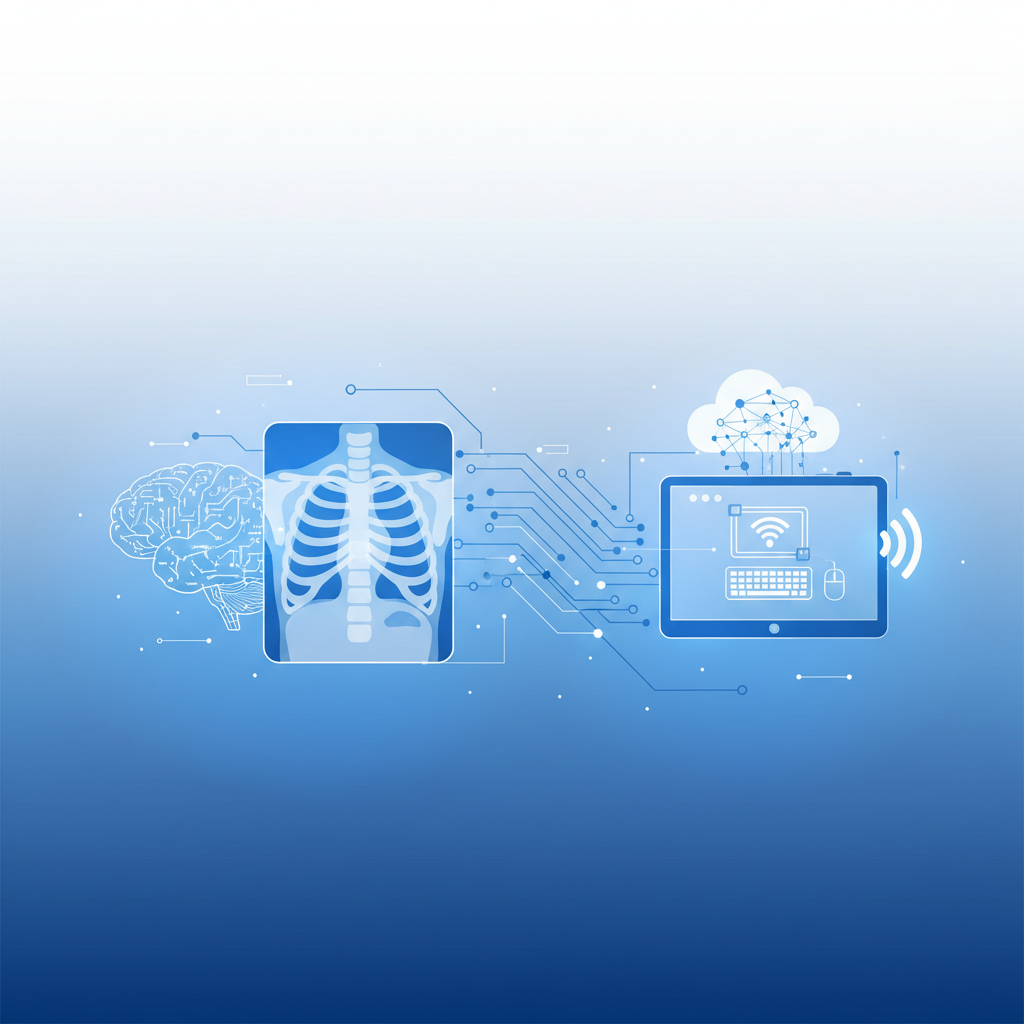
Understanding Remote Radiology Reporting
Remote radiology reporting, often synonymous with imaging operations, involves the clinical documentation of medical images (such as X-rays, CT scans, MRIs, and ultrasounds) by radiologists who are geographically separated from the patient and the imaging facility. This practice leverages advanced secure networks and digital imaging technologies to transmit studies, allowing expert clinical documentation to occur anywhere, anytime. In essence, it democratizes access to specialized radiological expertise, significantly impacting healthcare delivery.
The foundation of effective remote radiology reporting lies in robust digital infrastructure, primarily a Picture Archiving and Communication System (PACS). A PACS radiology system allows for the storage, retrieval, distribution, and presentation of medical images. When combined with secure broadband internet, it enables radiologists to access high-resolution studies remotely, just as if they were on-site. This technological synergy is crucial for maintaining diagnostic accuracy and ensuring seamless workflow.
The global demand for high-quality medical imaging clinical documentation continues to grow, fueled by an aging population, increasing chronic diseases, and technological advancements. Remote radiology reporting addresses the escalating need for efficient and timely diagnoses, especially in areas with a shortage of radiologists or during off-peak hours. This model ensures that diagnostic expertise is available around the clock, regardless of location.
Key Benefits of Remote Radiology Reporting
The advantages of adopting remote radiology reporting are multifaceted, impacting patient care, operational efficiency, and financial outcomes for healthcare organizations.
Enhanced Access to Subspecialty Expertise
One of the most significant benefits is the ability to access a broad spectrum of subspecialty expertise. Hospitals and imaging centers, particularly those in rural or underserved areas, may not have an in-house neuroradiologist or pediatric radiologist. Remote platforms connect them with specialists from anywhere in the world, ensuring that even complex cases receive expert clinical documentation. This leads to more accurate diagnoses and better patient outcomes by providing specialized radiology workflow support without geographical constraints.
Improved Radiology Report Turnaround Time
Time is often critical in medical diagnostics. Remote radiology reporting dramatically improves radiology report turnaround time. With radiologists working across different time zones, clinical documentation can be performed overnight for studies conducted during the day, ensuring reports are ready by morning rounds. This agility is vital for emergency cases, where rapid diagnosis can be life-saving. Outsourcing radiology outsourcing solutions further streamlines this process.
Comprehensive After Hours Radiology Coverage
Providing after hours radiology coverage is a significant challenge for many healthcare facilities. Staffing radiologists 24/7 can be costly and difficult. Remote solutions offer a robust answer, ensuring that critical studies performed during nights, weekends, and holidays are promptly manage. This continuous coverage enhances patient safety and reduces the burden on on-site staff. It's a cornerstone of effective imaging operations solutions.
Cost-Effectiveness and Operational Efficiency
- Reduced Overhead: Hospitals can significantly lower operational costs associated with staffing full-time, in-house radiologists for all shifts.
- Scalability: Remote services can be scaled up or down based on demand, offering flexibility without the need for additional permanent hires.
- Resource Optimization: Existing on-site radiologists can focus on interventional procedures, consultations, and complex cases.
These efficiencies contribute to a healthier bottom line, allowing resources to be reallocated to other critical areas of patient care.
Implementing Remote Radiology Reporting: Challenges and Solutions
While the benefits are clear, successfully implementing remote radiology reporting requires addressing several key challenges.
Data Security and Patient Privacy
Transmitting sensitive patient data across networks necessitates stringent security measures. Compliance with regulations like HIPAA is paramount. Solutions include:
- End-to-end encryption for all data transmission.
- Secure VPNs and private networks.
- Robust access controls and audit trails.
- Regular security audits and vulnerability assessments.
Integration with Existing Systems
Seamless integration with a hospital's existing Electronic Health Records (EHR) and PACS radiology systems is crucial for an efficient workflow. Compatibility issues can lead to delays and errors. Solutions often involve:
- Utilizing industry standards like DICOM and HL7.
- Partnering with imaging operations providers experienced in complex system integrations.
- Custom API development where standard interfaces are insufficient.
Quality Assurance and Communication
Maintaining diagnostic consistency and effective communication between remote radiologists and referring clinicians is vital. Strategies include:
- Standardized reporting templates and protocols.
- Regular peer review processes and quality audits for radiology workflow support.
- Implementation of communication platforms for immediate consultation or clarification.
- Defined critical results communication pathways to ensure urgent findings are relayed promptly.
Best Practices for Effective Remote Radiology Reporting
To maximize the efficacy of remote radiology reporting, healthcare organizations should adhere to several best practices.
Choose the Right imaging operations Partner
Selecting a reputable and experienced imaging operations provider is paramount. Consider factors such as:
- Accreditation and certifications (e.g., Joint Commission, ACR).
- Radiologist credentials and subspecialty availability.
- Technology infrastructure and security protocols.
- Track record for radiology report turnaround time.
- Customization and flexibility to meet specific needs for human radiology services or veterinary radiology services.
Establish Clear Communication Protocols
Effective communication is the backbone of successful remote operations. Develop clear protocols for:
- Requesting clinical documentation.
- Communicating critical findings.
- Consultations between remote radiologists and referring physicians.
- Feedback mechanisms for continuous improvement.
Ensure Robust IT Infrastructure
A stable and secure IT environment is non-negotiable. This includes:
- High-speed internet connectivity with redundancy.
- HIPAA-compliant and secure PACS radiology systems.
- Reliable workstations with appropriate monitors for diagnostic accuracy.
- Regular system maintenance and cybersecurity updates.
Monitor Performance and Quality
Continuous monitoring of key performance indicators (KPIs) ensures service quality and efficiency. Metrics to track include:
- Average radiology report turnaround time.
- Accuracy rates of clinical documentation.
- Clinician satisfaction.
- Compliance with service level agreements (SLAs).
The Future of Remote Radiology Reporting
The landscape of remote radiology reporting is continually evolving, driven by technological advancements and changing healthcare needs.
Artificial Intelligence (AI) Integration
AI is poised to revolutionize imaging operations by assisting with image analysis, identifying abnormalities, and prioritizing cases. AI tools can:
- Flag critical findings for immediate review, further reducing radiology report turnaround time.
- Automate routine measurements and comparisons.
- Improve diagnostic accuracy by serving as a second pair of eyes.
While AI will not replace human radiologists, it will augment their capabilities, making radiology workflow support even more efficient and precise.
Advanced Connectivity and Cloud Solutions
The adoption of 5G technology and further advancements in cloud computing will enhance data transmission speeds and reliability, making remote radiology reporting even more seamless. Cloud-based PACS solutions offer greater scalability, disaster recovery, and accessibility.
Expansion of Subspecialty Networks
The trend towards even greater subspecialization in radiology will lead to more refined remote networks, allowing facilities to access highly specialized expertise for niche cases. This ensures that every patient, regardless of location, can benefit from world-class diagnostic clinical documentation.
Key Takeaways
Remote radiology reporting is a transformative force in modern healthcare, offering solutions to critical challenges in medical imaging. It significantly enhances access to expert care, improves radiology report turnaround time, and provides essential after hours radiology coverage. While implementing these services requires careful attention to data security, system integration, and quality assurance, the benefits far outweigh the complexities.
By embracing best practices and leveraging emerging technologies like AI, healthcare organizations can optimize their imaging workflows, improve patient outcomes, and ensure sustainable, high-quality diagnostic services. As the demand for efficient and accessible healthcare grows, remote radiology reporting will continue to play an indispensable role in shaping the future of medical diagnostics. For seamless integration and expert human radiology services, consider a partner committed to innovation and excellence.
Additionally, optimizing your Revenue Cycle Management is crucial for sustainable operations in this evolving landscape. Learn more about revenue cycle management to ensure financial health alongside clinical excellence.
Frequently Asked Questions
1. What is remote radiology reporting?
Remote radiology reporting involves radiologists manage medical images (X-rays, CTs, MRIs) from a location geographically separate from where the images were acquired. It uses secure digital transmission to send images for expert analysis, often referred to as imaging operations.
2. How does PACS radiology facilitate remote reporting?
PACS (Picture Archiving and Communication System) is foundational for remote reporting. It stores, retrieves, and distributes medical images digitally, allowing remote radiologists to access high-resolution studies securely and efficiently for clinical documentation without needing to be on-site.
3. What are the main benefits of remote radiology reporting?
The main benefits include improved access to subspecialty expertise, significantly faster radiology report turnaround time, comprehensive after hours radiology coverage, and enhanced operational efficiency and cost-effectiveness for healthcare providers.
4. How does remote reporting impact radiology report turnaround time?
Remote radiology reporting drastically improves turnaround times by utilizing radiologists in different time zones, enabling overnight clinical documentation. This ensures reports are available quickly, which is especially critical for emergency and urgent cases.
5. Can remote radiology reporting provide after hours coverage?
Yes, remote radiology reporting is an excellent solution for after hours radiology coverage, weekends, and holidays. imaging operations providers can staff radiologists around the clock, ensuring continuous diagnostic support regardless of local staffing availability.
6. What security measures are in place for remote radiology reporting?
Strict security measures include end-to-end encryption for data transmission, secure VPNs, private networks, robust access controls, audit trails, and adherence to regulations like HIPAA to protect patient privacy and data integrity during remote reporting.
7. Is remote radiology reporting as accurate as on-site reporting?
Yes, with proper technology (high-resolution monitors, secure PACS) and qualified radiologists, remote radiology reporting can be just as accurate as on-site reporting. Many services also employ subspecialists, potentially increasing diagnostic precision.
8. What types of medical images can be read remotely?
Virtually all types of medical images can be read remotely, including X-rays, CT scans, MRI scans, ultrasounds, nuclear medicine studies, and mammograms, provided they are transmitted via a secure and high-quality digital system.
9. What challenges are associated with implementing remote radiology reporting?
Key challenges include ensuring data security, seamless integration with existing hospital information systems (EHR/PACS), maintaining consistent quality assurance, and establishing effective communication channels between remote radiologists and clinicians.
10. How do healthcare facilities choose a remote radiology reporting partner?
Facilities should consider the partner's accreditation, radiologist credentials, subspecialty availability, technology infrastructure, security protocols, demonstrated radiology report turnaround time, and ability to integrate with existing systems.
11. What is the role of AI in the future of remote radiology reporting?
AI will augment remote radiology reporting by assisting with image analysis, flagging critical findings, automating measurements, and prioritizing cases. This will enhance efficiency and accuracy, supporting radiologists rather than replacing them.
12. How does remote reporting benefit rural hospitals?
Remote reporting significantly benefits rural hospitals by providing access to a wide range of subspecialty radiologists that they might not be able to staff locally. This ensures rural patients receive the same level of expert diagnostic clinical documentation as urban patients.
13. Are there different models for remote radiology reporting services?
Yes, models vary from full-service outsourcing (covering all studies) to partial coverage (e.g., after-hours, overflow, or subspecialty clinical documentation). Some providers also offer hybrid models tailored to specific facility needs.
14. What hardware is necessary for a remote radiologist?
Remote radiologists typically require high-speed internet, powerful workstations, medical-grade diagnostic monitors (often FDA-approved), and secure access to the PACS and reporting systems to ensure accurate and efficient clinical documentation.
15. How do remote radiologists communicate with referring physicians?
Communication typically occurs through secure messaging platforms, integrated voice-over-IP (VoIP) systems, or direct phone calls, especially for critical findings. Defined protocols ensure timely and effective discussions.
16. What are the common KPIs for evaluating remote radiology reporting services?
Common KPIs include average radiology report turnaround time, diagnostic accuracy rates (often through peer review), clinician satisfaction survey results, compliance with service level agreements (SLAs), and system uptime.
17. How does remote radiology reporting aid in managing radiologist shortages?
Remote reporting helps mitigate radiologist shortages by distributing workload globally. It allows a single radiologist to serve multiple facilities and provides flexible working arrangements, attracting more radiologists to the profession.
18. Is remote radiology reporting suitable for all types of healthcare facilities?
Yes, remote radiology reporting can be tailored for various facilities, including small clinics, large hospitals, emergency departments, and specialized imaging centers, offering scalable solutions for diverse needs and volumes.
19. What is the cost implication of remote radiology reporting?
While initial setup involves some IT investment, remote radiology reporting often proves cost-effective in the long run by reducing full-time staffing costs, improving efficiency, and optimizing resource allocation, especially for after hours coverage.
20. How does remote reporting contribute to better patient care?
By ensuring timely and expert clinical documentation, providing 24/7 coverage, and offering access to subspecialists, remote reporting leads to faster diagnoses, more accurate treatment planning, and overall improved patient outcomes and safety.
