Essential Imaging Center Solutions for Modern Practices
Discover comprehensive imaging center solutions to enhance efficiency, overcome workforce challenges, and improve patient outcomes. Learn about vital strategies and technologies.
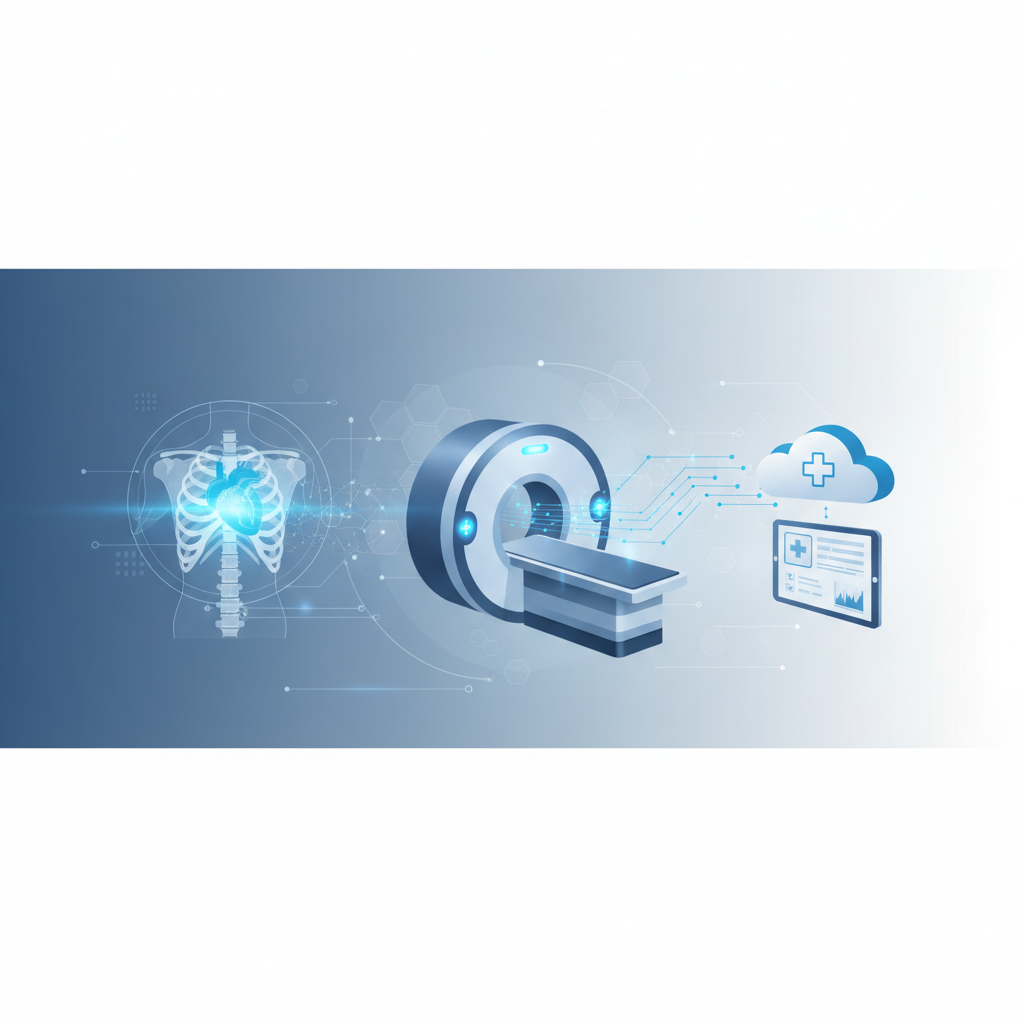
Navigating the Evolving Landscape with Advanced Imaging Center Solutions
The healthcare industry is in constant flux, with diagnostic imaging at its core. Imaging centers are pivotal in patient diagnosis and treatment, yet they contend with significant operational complexities, technological advancements, and workforce challenges. To thrive in this environment, adopting comprehensive imaging center solutions is not just an advantage—it's a necessity. These solutions encompass a range of technologies, services, and strategic approaches designed to streamline operations, enhance diagnostic accuracy, and improve patient experience.
According to a report by Grand View Research, the global diagnostic imaging market size was valued at USD 33.6 billion in 2022 and is expected to grow at a compound annual growth rate (CAGR) of 6.3% from 2023 to 2030. This growth underscores the increasing demand for imaging services and, consequently, the need for robust and efficient imaging center solutions.
Understanding the Core Components of Effective Imaging Center Solutions
Effective imaging center solutions are multifaceted, addressing various aspects of a radiology practice, from patient scheduling to final report distribution. They are designed to create a harmonious and efficient ecosystem, allowing radiologists and staff to focus on critical tasks rather focus on administrative overhead.
- Technology Integration: Modern imaging centers rely heavily on advanced PACS (Picture Archiving and Communication Systems), RIS (Radiology Information Systems), and AI-powered tools for enhanced diagnostics. Seamless integration of these systems is paramount.
- Workflow Optimization: Efficient radiology workflow is the backbone of any successful imaging center. Solutions here aim to reduce bottlenecks, automate routine tasks, and ensure timely report delivery.
- Staffing & Expertise: Addressing the global radiologist shortage solutions is a critical component, often involving imaging operations services and strategic staffing.
- Financial Management: Robust revenue cycle management ensures financial health and sustainability for imaging centers.
- Patient Experience: From easy scheduling to rapid access to results, patient-centric solutions are increasingly important.
Overcoming Challenges with Strategic Imaging Center Solutions
Imaging centers face a myriad of challenges that can impede efficiency and patient care. Strategic imaging center solutions are designed to directly address these pain points:
Addressing the Radiologist Shortage
One of the most pressing issues globally is the scarcity of qualified radiologists. This impacts report turnaround times, exacerbates staff burnout, and can limit access to crucial diagnostic services. Radiologist shortage solutions often involve leveraging external radiology workflow support. By partnering with imaging operations providers, imaging centers can gain access to a broad network of subspecialty-trained radiologists, ensuring comprehensive coverage 24/7. This helps maintain high diagnostic quality without overburdening on-site staff.
Optimizing Radiology Workflow for Peak Performance
Inefficient radiology workflow can lead to delays, errors, and frustrated staff and patients. Modern imaging center solutions provide tools and strategies to optimize every step:
- Automated Scheduling: Reduces manual errors and improves patient flow.
- Advanced Image Management: PACS and RIS systems with features like advanced viewing tools, study templating, and critical findings alerts significantly enhance efficiency. DICOM integration is key here. For further insights, refer to our guide on DICOM Integration: A Practical Guide for Radiology Practice.
- Streamlined Reporting: Voice recognition software, structured reporting templates, and efficient distribution channels accelerate report generation and delivery.
- Interoperability: Ensuring that various systems can communicate seamlessly reduces administrative burden and improves data accuracy.
Enhancing Revenue Cycle Management and Cost Efficiency
Financial stability is paramount. Effective imaging center solutions include robust revenue cycle management strategies. This involves optimizing billing processes, ensuring accurate coding, and improving collections. Furthermore, exploring strategies for radiology cost reduction in healthcare, such as outsourcing non-core functions, can significantly impact an imaging center’s bottom line.
Key Services and Technologies Driving Modern Imaging Center Solutions
The landscape of imaging center solutions is rich with innovative services and technologies designed to propel practices forward:
imaging operations and Remote Radiology image access
imaging operations is arguably one of the most transformative imaging center solutions, especially in mitigating the radiologist shortage. By allowing images to be manage remotely, it offers:
- 24/7 Coverage: Access to expert radiologists around the clock, improving turnaround times for emergent cases.
- Subspecialty Expertise: Connects centers with specialists in neuroradiology, musculoskeletal, oncology, and more, regardless of geographical location.
- Scalability: Easily scales to meet fluctuating demand, from hospitals to veterinary radiology services clinics.
For a detailed look into the applications of imaging operations in veterinary practice, review our Comprehensive Guide to Veterinary imaging operations Services.
Advanced Radiology Information Systems (RIS) and Picture Archiving and Communication Systems (PACS)
These core technologies form the digital backbone of an imaging center. Modern RIS/PACS are intelligent imaging center solutions that offer:
- Study Management: From order entry to result distribution.
- Image Archiving: Secure, long-term storage of diagnostic images.
- Worklist Management: Prioritizing studies and assigning them to available radiologists.
- Customizable Reporting: Templates and voice recognition for efficient report generation.
When combined, these systems ensure that human radiology services are delivered with utmost precision and efficiency.
Artificial Intelligence (AI) and Machine Learning (ML) in Radiology
AI is rapidly becoming an integral part of optimizing hospital radiology services and broader imaging center solutions. AI applications can:
- Aid in Detection: Flag potential abnormalities in scans, acting as a ‘case completion.’
- Improve Workflow: Prioritize urgent cases based on AI analysis.
- Reduce Dose: Optimize imaging protocols to minimize radiation exposure.
- Enhance Image Quality: Denoise images or reconstruct them for better clarity.
Implementing Best Practices for Successful Imaging Center Solutions
Beyond technology, successful implementation of imaging center solutions requires a commitment to best practices:
- Thorough Needs Assessment: Before implementing any solution, understand current pain points, future goals, and existing infrastructure.
- Phased Implementation: Introduce new systems or services incrementally to minimize disruption and allow staff to adapt.
- Comprehensive Staff Training: Ensure all personnel—radiologists, technologists, administrative staff—are proficient with new tools and processes.
- Continuous Monitoring and Improvement: Regularly review performance metrics, seek feedback, and make adjustments to optimize the adopted imaging center solutions.
- Data Security and Compliance: Prioritize HIPAA compliance and robust cybersecurity measures to protect patient data.
The Future of Imaging Center Solutions
The trajectory of imaging center solutions points towards greater integration, intelligence, and personalization:
- Advanced Interoperability: Seamless exchange of patient data across different healthcare systems, breaking down silos.
- Federated AI: Collaborative AI models that learn from diverse datasets without compromising patient privacy.
- Precision Medicine Integration: Radiology playing an even more central role in personalized treatment plans, guided by sophisticated imaging analytics.
- Patient Portals and Engagement: Empowering patients with greater access to their imaging results and educational resources.
These trends highlight the ongoing paradigm shift towards more connected, intelligent, and patient-focused diagnostic services, making the selection of the right imaging center solutions more critical than ever.
Key Takeaways
In conclusion, the efficacy of an imaging center hinges on its ability to adapt and innovate with cutting-edge imaging center solutions. From addressing the ongoing radiologist shortage with reliable radiology workflow support to optimizing every facet of the radiology workflow, strategic investments in technology and partnerships are essential.
- Comprehensive Solutions: Look for partners offering holistic support, from imaging operations to revenue cycle management.
- Efficiency and Accuracy: Prioritize solutions that enhance both operational efficiency and diagnostic accuracy.
- Scalability: Choose systems and services that can grow with your practice and adapt to changing demands.
- Patient-Centricity: Never lose sight of the ultimate goal: improving patient care and experience.
By embracing these advanced solutions, imaging centers can not only overcome current hurdles but also position themselves for long-term success and continued excellence in diagnostic imaging.
For imaging centers seeking to implement advanced radiology solutions that optimize operations and enhance patient care, explore how RAD365 can support your needs.
