Optimizing Radiology Report Turnaround Time for Better Care
Understand the critical role of radiology report turnaround time in patient care. Learn strategies, benefits, and solutions to optimize speed and accuracy.
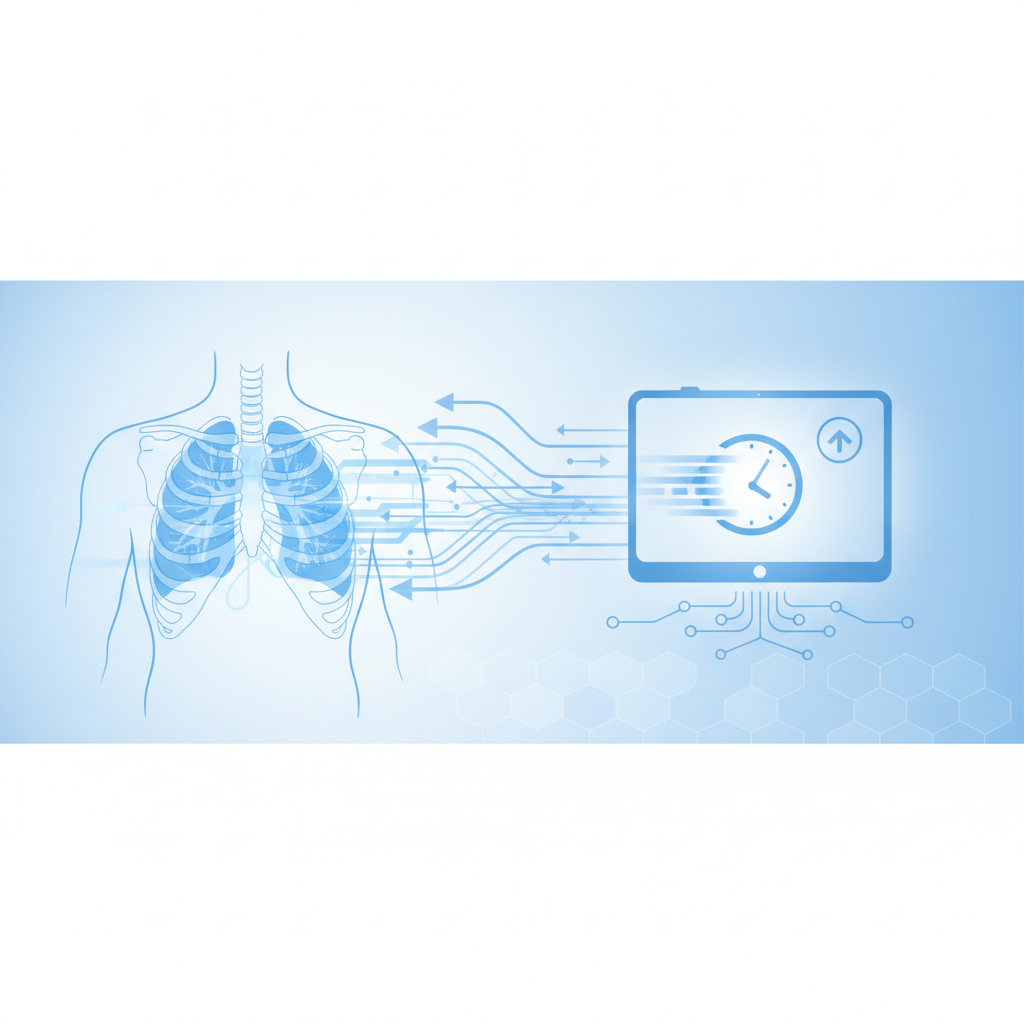
Optimizing Radiology Report Turnaround Time for Better Patient Care
In the dynamic landscape of modern healthcare, the speed and accuracy of diagnostic imaging are paramount. A critical metric that healthcare facilities constantly strive to optimize is radiology report turnaround time. This refers to the duration from when a medical imaging study is completed to when a final, signed report from a radiologist is made available to the referring physician. Efficient radiology workflow support are not just about speed; they are about delivering timely, accurate diagnoses that directly impact patient outcomes, treatment pathways, and operational efficiency within a healthcare system.
Understanding and effectively managing radiology report turnaround time is essential for hospitals, imaging centers, and clinics alike. It's a key indicator of a facility's diagnostic efficiency and its commitment to patient-centered care. Delays can lead to prolonged patient anxiety, delayed treatment initiation, and even adverse health outcomes. Conversely, optimized turnaround times foster quicker clinical decisions, improve patient flow, and enhance overall healthcare quality.
The Critical Importance of Radiology Report Turnaround Time
The significance of a prompt radiology report turnaround time cannot be overstated. It's more than just a logistical metric; it's a cornerstone of effective patient management and medical decision-making. Here's why it matters:
- Expedited Patient Care: Faster access to reports means quicker diagnosis and treatment planning, especially in urgent or emergent cases. A delay in receiving a critical diagnosis can have severe consequences for a patient's health trajectory.
- Improved Clinical Outcomes: Timely intervention based on accurate imaging findings can prevent disease progression, reduce complications, and improve recovery rates.
- Enhanced Physician Satisfaction: Referring physicians rely on prompt reports to manage their patients effectively. Long waits can lead to frustration and impact their workflow and ability to provide comprehensive care.
- Operational Efficiency: Efficient radiology workflow management, bolstered by fast turnaround, helps manage patient flow, reduces patient backlogs, and optimizes resource allocation within the imaging department and across the entire healthcare facility.
- Reduced Patient Anxiety: Waiting for diagnostic results can be a stressful period for patients and their families. A quick turnaround alleviates this anxiety, contributing to a better patient experience.
- Legal and Compliance Requirements: In some cases, specific conditions or emergencies may have regulatory requirements for maximum reporting times, making efficient turnaround critical for compliance.
Factors Influencing Radiology Report Turnaround Time
Several variables can affect radiology report turnaround time, ranging from internal processes to external demands. Identifying and addressing these factors is crucial for optimization:
1. Radiologist Availability and Workload
- Staffing Levels: A shortage of qualified radiologists, especially subspecialists, can significantly increase backlog.
- Shift Coverage: Ensuring comprehensive after hours radiology coverage is vital to prevent delays during non-business hours, which often see a high volume of emergency cases.
- Workload Complexity: Cases requiring complex analysis or comparison with previous studies naturally take longer to manage.
2. Imaging Department Workflow
- PACS and RIS Efficiency: The performance and integration of Picture Archiving and Communication Systems (PACS) and Radiology Information Systems (RIS) are fundamental. Slow systems or inefficient PACS radiology workflows can impede image access and reporting.
- Technologist Efficiency: The quality of image acquisition and patient preparation directly impacts the radiologist's ability to manage studies quickly and accurately.
- Administrative Processes: Delays in patient registration, study accessioning, or report distribution can add to the overall turnaround time.
3. Technology and Infrastructure
- Network Bandwidth: Adequate network infrastructure is necessary for rapid transmission of large image files, particularly in imaging operations settings.
- Reporting Tools: Advanced speech recognition software, customizable reporting templates, and integrated comparison tools can greatly enhance radiologist efficiency.
- Image Quality: Poor image quality necessitates re-scans or more time for clinical documentation, increasing delays.
4. Case Mix and Subspecialization
The type of studies being performed (e.g., routine X-rays vs. complex MRI/CT scans) and the need for subspecialty radiology expertise can influence reporting times. While general radiologists can read a wide array of studies, intricate cases often benefit from the nuanced clinical documentation of a fellowship-trained subspecialist in areas like neuroradiology, musculoskeletal radiology, or cardiac imaging.
Strategies for Optimizing Radiology Report Turnaround Time
Achieving optimal radiology report turnaround time requires a multi-faceted approach, combining technological solutions, process improvements, and strategic staffing.
1. Embrace imaging operations and Remote Reporting
One of the most effective strategies is leveraging imaging operations services. imaging operations allows imaging studies to be manage by radiologists located anywhere, addressing staffing shortages and providing round-the-clock coverage, including critical after hours radiology coverage. This enables efficient load balancing and rapid access to subspecialty expertise, significantly improving radiology report turnaround time, especially for case coordination and urgent cases. Optimizing Patient Care with Remote Radiology Reporting demonstrates the profound impact this approach can have.
2. Implement Advanced AI and Automation
The integration of radiology AI tools is revolutionizing diagnostic imaging. AI can assist in several ways:
- Prioritization: AI algorithms can automatically flag critical findings, ensuring urgent cases are routed for immediate clinical documentation, thereby drastically reducing radiology report turnaround time for high-priority studies.
- Image Analysis: AI can highlight areas of interest, perform measurements, and even offer initial classifications, aiding radiologists in efficient clinical documentation.
- Reporting Automation: AI-powered tools can help generate structured reports by automating descriptive elements, allowing radiologists to focus on critical findings and conclusions.
3. Optimize Workflow and Staffing
- Worklist Management: Intelligent worklist prioritization based on urgency, study type, and radiologist subspecialty availability can streamline the image access process.
- Flexible Staffing Models: Utilizing a mix of on-site radiologists, imaging operations partners, and dedicated subspecialty radiology readers can ensure optimal coverage and expertise.
- Standardized Reporting Templates: Consistent, clear templates facilitate faster dictation and reduce editing time.
- Continuous Training: Regular training for technologists on image acquisition protocols and for radiologists on new technologies can improve efficiency.
4. Enhance Technology Integration
Seamless integration between RIS, PACS, EHR (Electronic Health Record), and reporting systems is paramount. Eliminating manual data entry and ensuring real-time data flow reduces errors and accelerates the entire process. Investing in a robust radiology workflow manager can further streamline operations.
Measuring and Maintaining Optimal Turnaround Times
Effective management of radiology report turnaround time requires continuous monitoring and analysis. Key metrics include:
- Mean Turnaround Time: The average time taken for all reports.
- Median Turnaround Time: Provides a better indication of typical performance, less affected by outliers.
- Critical Findings Turnaround Time: Specific targets for urgent or life-threatening conditions (e.g., STAT cases delivered within 30-60 minutes).
- case coordination vs. Final Report Time: Differentiating between initial case activity and comprehensive final reports.
- Breakdown by Study Type/Modality: Analyzing times for X-rays, CTs, MRIs, etc., to identify specific bottlenecks.
Regular audits and feedback loops with referring physicians are crucial. Understanding their needs and setting realistic, yet ambitious, targets for radiology report turnaround time fosters a collaborative environment and drives continuous improvement. Benchmarking against industry standards also provides valuable insights into performance.
When considering solutions for enhancing your diagnostic efficiency, remember that an integrated approach combining expert human radiology services with advanced technological tools is often the most effective. This balance ensures both speed and diagnostic accuracy, which are crucial for patient safety and clinical excellence.
The Future of Radiology Reporting: Speed, Accuracy, and Efficiency
The trajectory of radiology report turnaround time is towards even greater efficiency and precision. The ongoing evolution of radiology AI will play an increasingly prominent role, not replacing human radiologists but augmenting their capabilities. Predictive analytics will help anticipate workflow demands, and further advancements in imaging operations platforms will enable truly borderless diagnostic clinical documentation.
The goal remains consistent: to provide physicians with the diagnostic information they need, precisely when they need it, to deliver the best possible patient care. Prioritizing efficient radiology report turnaround time is not just a best practice; it's a fundamental requirement for modern healthcare delivery.
Key Takeaways
- Radiology report turnaround time is a critical metric for patient care, diagnostic accuracy, and operational efficiency.
- Factors influencing turnaround time include radiologist availability, workflow efficiency, and technological infrastructure.
- Effective strategies for improvement include leveraging imaging operations for after hours radiology coverage and subspecialty radiology access, implementing advanced radiology AI, and optimizing workflow.
- Continuous monitoring and analysis of turnaround time metrics are essential for sustained improvement.
- The future of radiology reporting emphasizes speed, accuracy, and efficiency through technological innovation and integrated solutions.
For healthcare organizations seeking to optimize their diagnostic imaging processes and enhance patient care through superior radiology report turnaround time, partnering with expert radiology workflow support solutions can be transformative. RAD365 provides comprehensive imaging operations and workflow management solutions designed to meet the evolving demands of modern healthcare.
Frequently Asked Questions
1. What is radiology report turnaround time?
Radiology report turnaround time (TAT) is the duration from the completion of a medical imaging study to the delivery of the final, signed report by a radiologist to the referring physician. It's a key metric for diagnostic efficiency.
2. Why is efficient radiology report turnaround time important?
Efficient radiology report turnaround time is crucial for prompt diagnosis, timely treatment initiation, improved patient outcomes, reduced patient anxiety, enhanced physician satisfaction, and overall operational efficiency in healthcare facilities.
3. What are common benchmarks for radiology report turnaround time?
Benchmarks vary by facility and study type. For emergency/STAT cases, a TAT of 30-60 minutes for a case coordination is common. Routine cases might target 2-4 hours, and non-urgent cases often aim for 24 hours or less.
4. How does imaging operations improve radiology report turnaround time?
imaging operations significantly improves TAT by providing 24/7 access to radiologists, enabling off-site clinical documentation, leveraging subspecialty expertise, and balancing workload across a wider pool of readers, especially for after-hours coverage.
5. Can radiology AI solutions help reduce report turnaround time?
Yes, radiology AI can drastically reduce TAT by automating image analysis, prioritizing critical cases, flagging urgent findings for immediate radiologist review, and assisting with structured report generation, thereby enhancing radiologist efficiency.
6. What role does subspecialty radiology play in reporting speed?
While general radiologists can handle many cases, complex studies often require subspecialty expertise. Access to subspecialty radiologists, often through imaging operations, ensures accurate clinical documentation without delay, improving the overall radiology report turnaround time for these specialized cases.
7. What challenges hinder optimal radiology report turnaround time?
Common challenges include radiologist shortages, particularly in specialized areas, heavy workload, inefficient PACS/RIS systems, poor workflow management, and a lack of adequate after-hours coverage.
8. How do you measure radiology report turnaround time?
TAT is measured from the time the imaging study is finalized in the PACS or RIS to the time the radiologist's final report is signed off. Key metrics include mean, median, and critical findings TAT, often broken down by modality and case urgency.
9. What is considered a good radiology report turnaround time for STAT cases?
For STAT (urgent) cases, a good radiology report turnaround time is typically 30-60 minutes for a case coordination, ensuring immediate clinical action.
10. How important is after hours radiology coverage for TAT?
After hours radiology coverage is critically important for TAT, as a significant portion of emergency studies are performed outside of normal business hours. Without sufficient coverage, these cases would face significant delays, compromising patient care.
11. What technologies can optimize radiology report turnaround time?
Key technologies include robust PACS/RIS, advanced speech recognition software, AI-powered triage and analysis tools, imaging operations platforms, and integrated electronic health record systems.
12. How do structured reporting templates affect reporting speed?
Structured reporting templates streamline the dictation process, reduce variability, and ensure all necessary information is included, thereby improving radiologist efficiency and reducing the overall radiology report turnaround time.
13. Does image quality impact radiology report turnaround time?
Yes, poor image quality can significantly impact TAT by necessitating re-scans, requiring more time for a radiologist to manage an unclear image, or leading to greater diagnostic uncertainty.
14. How can workflow management improve radiology report turnaround time?
Effective workflow management optimizes TAT by intelligently prioritizing cases, distributing workload efficiently among radiologists, ensuring seamless information flow between systems, and eliminating bottlenecks in the imaging process.
15. What impact does radiology reporting speed have on patient care?
Faster radiology reporting directly translates to quicker diagnoses, timely treatment decisions, reduced patient anxiety, and improved overall clinical outcomes, especially in critical situations.
16. Are there different TAT standards for case coordination vs. final reports?
Yes, there are often different TAT expectations. case coordination for urgent findings need to be delivered very quickly (minutes to an hour), while comprehensive final reports may have a longer, but still expedited, target (e.g., 2-4 hours or up to 24 hours).
17. What is the role of communication in optimizing radiology report turnaround time?
Clear and efficient communication between referring physicians, technologists, and radiologists is vital. This includes timely alerts for critical findings and accessible channels for consultation, which helps in reducing overall TAT.
18. How can staffing models influence radiology report turnaround time?
Strategic staffing, including utilizing a mix of on-site radiologists, imaging operations partners, and subspecialty readers for comprehensive coverage (especially after hours), is crucial for maintaining optimal radiology report turnaround time.
19. What are some best practices for managing radiology report turnaround time?
Best practices include implementing imaging operations, leveraging AI, optimizing communication pathways, using structured reports, continuous monitoring of metrics, and ensuring adequate staffing with subspecialty expertise where needed.
20. Does geographic location affect radiology report turnaround time?
Geographic location can affect TAT due to disparities in radiologist availability or access to subspecialty expertise. imaging operations mitigates this by allowing clinical documentation from any location, effectively reducing geographical limitations on reporting speed and quality.
