PACS Radiology: The Backbone of Modern Imaging Workflow
Explore PACS radiology, its critical role in imaging, benefits for workflows, and future trends. Improve radiology report turnaround time and patient care.
What is PACS Radiology? A Definitive Overview
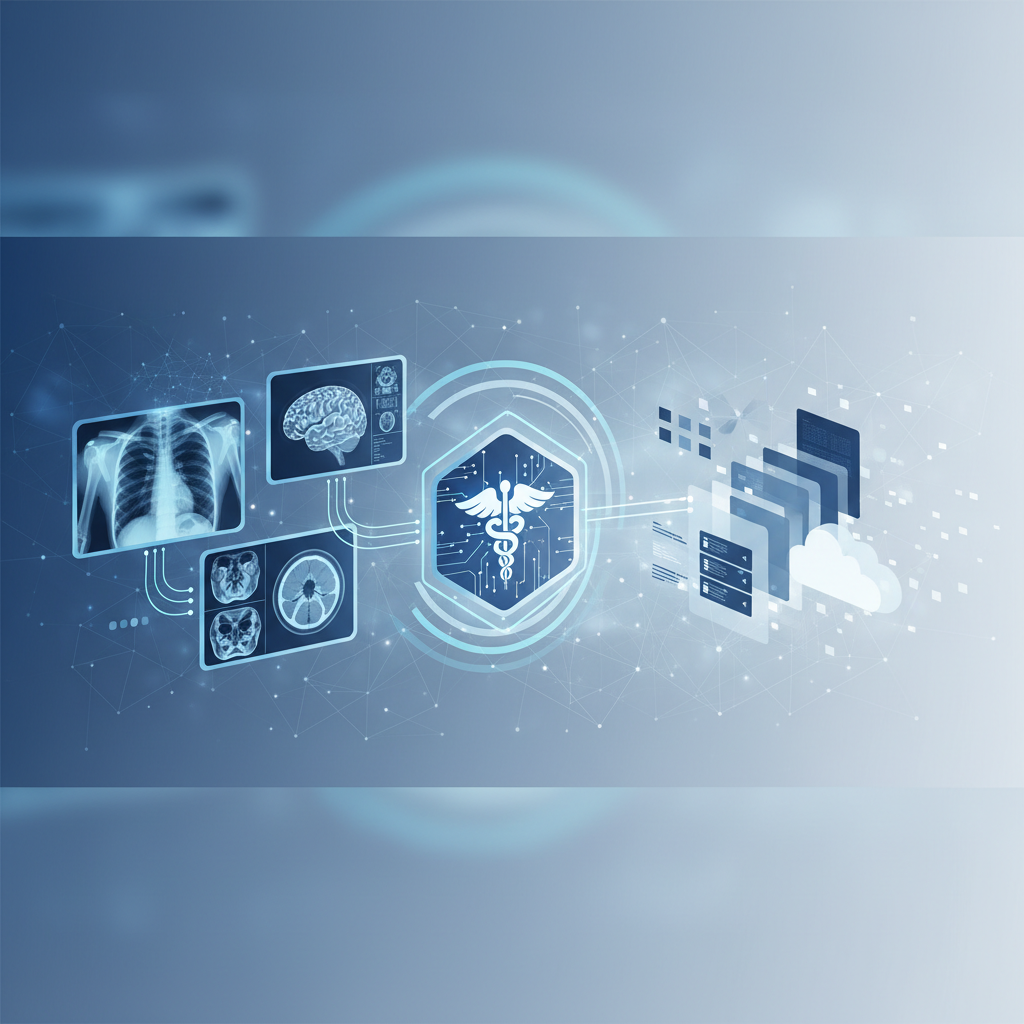
PACS radiology, or Picture Archiving and Communication System, is a medical imaging technology that provides economical storage and convenient access to images from multiple modalities (source machine types). It's the digital hub where medical images, such as X-rays, CT scans, MRIs, and ultrasounds, are stored, retrieved, distributed, and presented. Before the advent of PACS, radiological images were physically stored on film, leading to significant logistical challenges, delays, and potential loss of crucial patient data. Today, PACS radiology systems are indispensable for optimizing diagnostic workflows and enhancing patient care across healthcare facilities.
The primary function of PACS is to replace hard-copy film archives with digital records, offering a streamlined approach to image management. This digital transformation has profound implications for every stage of the diagnostic process, from image acquisition to final report generation. Modern PACS solutions are often integrated with other hospital information systems, like Electronic Health Records (EHR) and Radiology Information Systems (RIS), creating a comprehensive and interconnected healthcare IT ecosystem.
The Core Components and Functionalities of PACS Systems
Understanding the architecture of a PACS radiology system is key to appreciating its impact. These systems are typically composed of several integrated components:
- Imaging Modalities: Devices such as CT, MRI, ultrasound, and X-ray machines generate the digital images that PACS manages.
- Secure Network: A robust network infrastructure (often DICOM standard) is essential for transmitting images securely and efficiently across different departments and locations.
- Workstations: Specialized computers equipped with high-resolution monitors and advanced software allow radiologists and clinicians to view, manipulate, and analyze images.
- Archives and Storage: Digital repositories, often cloud-based or on-premise servers, store vast amounts of image data securely and redundantly.
- Reporting Systems: Integrated tools for generating and distributing diagnostic reports.
Key Functionalities:
- Image Acquisition and Archiving: PACS automatically receives images from various modalities, assigns them to patient records, and archives them.
- Image Distribution and Viewing: Authorized users can access images from any connected workstation, fostering collaborative care.
- Image Manipulation and Analysis: Radiologists can use tools to adjust brightness, contrast, zoom, and perform advanced measurements or 3D reconstructions.
- Integration with RIS and EHR: Seamless integration ensures that patient demographics, historical data, and diagnostic reports are easily accessible, improving radiology workflow efficiency.
- Data Security and Compliance: PACS systems adhere to stringent data protection regulations like HIPAA, ensuring patient privacy and data integrity.
Benefits of Implementing PACS Radiology in Healthcare
The transition to PACS radiology has delivered a multitude of benefits, transforming diagnostic imaging from a physical process to a digital, collaborative endeavor. These advantages impact everything from operational efficiency to the quality of patient care.
Enhanced Efficiency and Workflow
- Faster Access to Images: Digital images are instantly available to radiologists and referring physicians, eliminating delays associated with film retrieval and transportation. This significantly improves radiology report turnaround time, especially critical in emergency situations.
- Streamlined Workflow: Automated image routing and intelligent worklists optimize the clinical documentation process, reducing manual tasks and human error.
- Reduced Operating Costs: Eliminates the need for film, chemicals, storage space, and film-based equipment, leading to substantial cost savings over time.
Improved Patient Care and Diagnosis
- Better Diagnostic Accuracy: Advanced viewing tools and comparison with previous studies enhance diagnostic precision.
- Enhanced Collaboration: Multiple specialists can view the same images simultaneously, regardless of their physical location, facilitating multidisciplinary consultations. This is particularly beneficial for complex cases requiring human radiology services from various subspecialties.
- Reduced Patient Radiation Exposure: Digital images are easier to manage and share, potentially reducing the need for repeat scans.
Scalability and Accessibility
- Remote Access: imaging operations services are seamlessly integrated with PACS, allowing radiologists to access studies from remote locations. This is crucial for providing after hours radiology coverage and supporting facilities in underserved areas.
- Scalable Storage: Digital archives can expand almost infinitely, accommodating growing volumes of patient data without physical constraints.
- Disaster Recovery: Off-site digital backups ensure image data is protected against natural disasters or system failures.
Addressing Challenges in PACS Implementation and Management
While the benefits of PACS radiology are undeniable, implementing and managing these systems comes with its own set of challenges. Healthcare organizations must proactively address these to ensure successful integration and optimal performance.
Technical and Integration Complexities
- Interoperability Issues: Integrating PACS with disparate EHRs, RIS, and other hospital systems can be complex, requiring careful planning and vendor coordination.
- Data Migration: Transferring vast archives of legacy images to a new PACS can be time-consuming and fraught with potential data loss.
- Network Bandwidth Requirements: High-resolution images demand significant network bandwidth, which can strain existing IT infrastructure, especially for large facilities or those utilizing imaging operations services actively.
Financial and Operational Hurdles
- Initial Investment: The upfront cost of PACS hardware, software, and implementation can be substantial.
- Staff Training: Training staff on new workflows and software can be a significant undertaking and impact productivity during the transition phase.
- Ongoing Maintenance: Regular software updates, hardware maintenance, and cybersecurity measures require dedicated IT resources.
Solutions and Best Practices for Optimizing PACS Radiology
Overcoming the challenges associated with PACS radiology requires strategic planning, adherence to best practices, and leveraging external expertise where necessary. By adopting a proactive approach, healthcare organizations can maximize the return on their PACS investment.
Strategic Planning and Vendor Selection
- Thorough Needs Assessment: Evaluate current and future imaging needs, capacity requirements, and specific departmental workflows.
- Interoperability Focus: Prioritize PACS vendors with proven track records of seamless integration with existing IT infrastructure and adherence to industry standards like DICOM and HL7.
- Scalability and Future-Proofing: Choose a system that can scale with organizational growth and adapt to future technological advancements, such as AI integration.
Operational Best Practices
- Comprehensive Training Programs: Invest in recurrent training for all users, including radiologists, technologists, and support staff, to ensure proficiency and adoption.
- Robust Network Infrastructure: Upgrade network capabilities to support high-volume image transfers, especially if incorporating radiology outsourcing solutions or expanding imaging operations.
- Data Security Protocols: Implement stringent cybersecurity measures, regular backups, and disaster recovery plans to protect sensitive patient data.
Leveraging External Expertise
Many organizations benefit from partnering with specialized radiology service providers. These partnerships can:
- Enhance Subspecialty Coverage: Access to subspecialty radiology expertise for complex cases, ensuring high-quality clinical documentation.
- Optimize Revenue Cycle Management: Efficient PACS use contributes to accurate billing and reduced claims denials, improving financial health.
- Provide After Hours Coverage: imaging operations providers can offer reliable after hours radiology coverage, addressing staffing shortages and ensuring continuous patient care.
The Future of PACS Radiology: Trends and Innovations
The landscape of PACS radiology is continuously evolving, driven by advancements in artificial intelligence, cloud computing, and increasing demands for efficient, patient-centric care. Understanding these trends is crucial for healthcare leaders planning for tomorrow.
Artificial Intelligence and Machine Learning Integration
AI is set to revolutionize PACS by:
- Automated Image Analysis: AI algorithms can assist in detecting subtle anomalies, potentially improving diagnostic accuracy and speeding up clinical documentation.
- Workflow Prioritization: AI can intelligently triage studies, flagging critical cases for immediate review, further reducing radiology report turnaround time.
- Quantitative Analysis: More precise measurements and characterizations of pathologies, aiding in treatment planning and monitoring.
Cloud-Based PACS Solutions
Cloud-hosted PACS offers significant advantages:
- Enhanced Accessibility: Global access to images from any location with an internet connection, ideal for large hospital networks and imaging operations.
- Scalability and Cost-Efficiency: Reduced upfront hardware costs and flexible scaling of storage and computing resources.
- Improved Data Security and Redundancy: Cloud providers often offer robust security features and multiple data redundancies.
Integration with Enterprise Imaging and VNA
The trend towards Enterprise Imaging aims to consolidate all clinical images (radiology, cardiology, pathology, ophthalmology, etc.) into a single, vendor-neutral archive (VNA) accessible across the entire healthcare enterprise. This will further break down data silos and foster a more holistic view of the patient, leveraging the principles of PACS radiology on a larger scale.
Key Takeaways on PACS Radiology
PACS radiology is far more than just a digital filing cabinet for medical images; it is the central nervous system of modern diagnostic imaging departments. Its profound impact on efficiency, diagnostic accuracy, and patient care makes it an indispensable technology for any healthcare provider. From dramatically improving radiology report turnaround time to enabling robust after hours radiology coverage and facilitating access to subspecialty radiology expertise, PACS systems are continually evolving to meet the complex demands of healthcare.
By understanding its components, embracing best practices, and staying abreast of future innovations like AI and cloud integration, healthcare organizations can leverage their PACS radiology infrastructure to deliver superior patient outcomes and foster a more efficient, collaborative, and future-ready imaging environment.
For organizations seeking to optimize their radiology services, connecting with experts in radiology workflow and imaging operations solutions can provide tailored strategies and support to maximize the benefits of advanced imaging technologies. RAD365 offers comprehensive solutions designed to streamline your imaging operations and enhance diagnostic capabilities.
Frequently Asked Questions
1. What does PACS stand for in radiology?
PACS stands for Picture Archiving and Communication System. It is a medical imaging technology that provides economical storage and convenient access to images from multiple modalities.
2. How does PACS radiology improve patient care?
PACS radiology improves patient care by providing instant access to digital images, which leads to faster diagnoses, enhanced collaboration among healthcare providers, and the ability to access subspecialty radiology expertise for complex cases.
3. What are the primary benefits of a PACS system for hospitals?
The primary benefits of a PACS system for hospitals include streamlined workflow, reduced operating costs by eliminating film, faster radiology report turnaround time, improved diagnostic accuracy, and enhanced remote access for imaging operations services.
4. Can PACS be integrated with Electronic Health Records (EHR) and Radiology Information Systems (RIS)?
Yes, modern PACS systems are designed for seamless integration with EHR (Electronic Health Records) and RIS (Radiology Information Systems) to create a comprehensive and interconnected healthcare IT ecosystem, improving data flow and accessibility.
5. What role does PACS play in imaging operations?
PACS is fundamental to imaging operations, enabling radiologists to securely access and manage medical images from remote locations. This facilitates after hours radiology coverage and allows clinics without an on-site radiologist to benefit from expert clinical documentation.
6. How does PACS impact radiology report turnaround time?
PACS significantly reduces radiology report turnaround time by providing immediate access to digital images, eliminating delays caused by physical film handling, and enabling efficient remote clinical documentation by radiologists.
7. What security measures are in place for data within a PACS radiology system?
PACS radiology systems adhere to stringent data protection regulations like HIPAA, employing robust security measures such as encryption, access controls, audit trails, and secure network protocols to ensure patient privacy and data integrity.
8. What is the difference between PACS and RIS?
PACS (Picture Archiving and Communication System) manages medical images, while RIS (Radiology Information System) manages patient tracking, scheduling, and billing specifically for radiology departments. They often integrate to form a complete solution.
9. Are cloud-based PACS solutions becoming more common?
Yes, cloud-based PACS solutions are gaining popularity due to their enhanced accessibility, scalability, cost-efficiency, and robust data security features, making them ideal for large healthcare networks and remote access scenarios.
10. How does AI integrate with PACS radiology?
AI integrates with PACS radiology to assist with automated image analysis, detect subtle anomalies, intelligently triage studies for prioritization, and perform quantitative analysis, thereby enhancing diagnostic efficiency and accuracy.
11. What are the challenges of implementing a new PACS system?
Challenges of implementing a new PACS system include interoperability issues with existing IT infrastructure, complexities in data migration, significant initial investment, and the need for comprehensive staff training.
12. How can PACS support veterinary radiology services?
PACS supports veterinary radiology services in the same way as human radiology, providing digital storage, quick retrieval, multi-site access, and efficient clinical documentation of animal medical images, enhancing diagnostic capabilities for veterinarians.
13. What is the average cost of a PACS radiology system?
The cost of a PACS radiology system varies widely depending on factors like the size of the facility, storage capacity needed, desired features, integration requirements, and whether it's an on-premise or cloud-based solution. It can range from tens of thousands to millions of dollars.
14. How does PACS facilitate after hours radiology coverage?
PACS enables after hours radiology coverage by allowing radiologists to securely access and manage patient studies from any remote location with an internet connection. This ensures continuous diagnostic support outside of regular business hours.
15. What is enterprise imaging, and how does PACS relate to it?
Enterprise imaging aims to consolidate all clinical images from various departments (e.g., radiology, cardiology) into a single, accessible archive. PACS forms the foundational technology for radiology within this broader enterprise imaging strategy.
16. Why is data security crucial for PACS radiology systems?
Data security is crucial for PACS radiology systems due to the highly sensitive nature of patient medical information. Failure to protect this data can lead to privacy breaches, compliance violations (like HIPAA), and severe reputational and financial repercussions.
17. Can PACS systems be used for teaching and research?
Yes, PACS systems are highly valuable for teaching and research. They provide easy access to a vast archive of diverse cases, allowing medical students and researchers to study various pathologies and imaging techniques without exposing patients to additional radiation.
18. What open standards are commonly used in PACS radiology?
The most common open standard used in PACS radiology is DICOM (Digital Imaging and Communications in Medicine). This standard ensures interoperability between imaging modalities, PACS, and other healthcare IT systems.
19. How do PACS systems support subspecialty radiology?
PACS systems support subspecialty radiology by facilitating easy routing of complex cases to radiologists with specific expertise (e.g., neuro-radiology, musculoskeletal). Advanced viewing tools also aid in detailed analysis required for subspecialized clinical documentation.
20. What are the future trends for PACS radiology?
Future trends for PACS radiology include deeper integration with Artificial Intelligence and Machine Learning for automated analysis and improved workflows, wider adoption of cloud-based solutions, and evolution towards comprehensive enterprise imaging strategies using Vendor-Neutral Archives (VNAs).
