Understanding PACS Radiology: A Comprehensive Guide
Explore PACS radiology systems, their role in modern imaging, benefits, and how they improve patient care. Optimize your radiology workflow.
Understanding PACS Radiology: A Comprehensive Guide
Picture Archiving and Communication Systems, universally known as PACS radiology, represent the digital backbone of contemporary diagnostic imaging. In an era where healthcare prioritizes efficiency, accuracy, and accessibility, PACS technology has become indispensable for hospitals, imaging centers, and clinics worldwide. This comprehensive guide will delve into the intricacies of PACS radiology, exploring its foundational principles, core functionalities, significant benefits, and the transformative impact it has on patient care and operational workflows.
At its core, a PACS radiology system is a medical imaging technology that provides economical storage and convenient access to images from multiple modalities (source machine types). Electronic images and reports are transmitted digitally via PACS, virtually eliminating the need for manually filing, retrieving, or transporting film jackets. This shift from analog film to digital imagery has not only streamlined processes but also opened doors to advanced diagnostic capabilities and collaborative healthcare environments.
What is PACS Radiology? Defining the Digital Imaging Standard
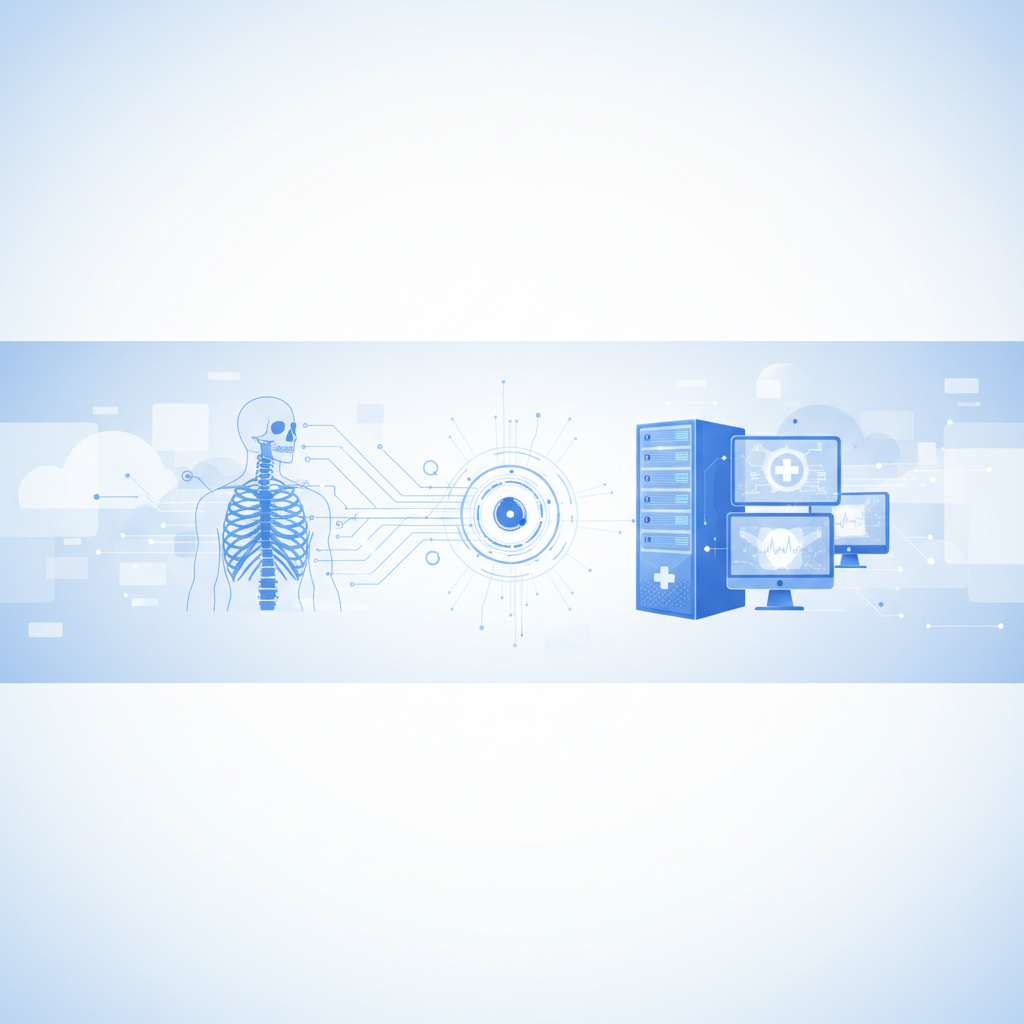
PACS radiology, or Picture Archiving and Communication System, is a sophisticated medical imaging technology used to store, retrieve, present, and transmit images from various medical imaging modalities. These modalities include X-ray, CT (Computed Tomography), MRI (Magnetic Resonance Imaging), ultrasound, and nuclear medicine. Before the advent of PACS, physical films and charts were the standard, presenting numerous logistical challenges from storage to retrieval. PACS revolutionized this by creating a centralised digital repository for all patient imaging data.
The primary components of a PACS system typically include:
- Imaging Modalities: The devices that capture the images (e.g., CT scanners, MRI machines).
- Secure Network: The infrastructure that connects modalities, workstations, and archives, often relying on DICOM (Digital Imaging and Communications in Medicine) standards for interoperability.
- Workstations: High-resolution monitors and software for radiologists and clinicians to view, manipulate, and manage images.
- Archiving and Storage: Digital storage solutions (on-site or cloud-based) to securely store vast amounts of imaging data over extended periods, ensuring easy retrieval.
Implementing a robust PACS radiology system is crucial for any modern medical facility aiming for optimal diagnostic efficiency and seamless information exchange. It forms the bedrock for remote image access and advanced image analysis, contributing significantly to advancements in remote radiology reporting.
Key Features and Functionalities of a Modern PACS Radiology System
A cutting-edge PACS radiology system offers a spectrum of features designed to enhance every stage of the imaging workflow, from acquisition to diagnosis and storage. Understanding these functionalities is key to appreciating the system's value.
Image Acquisition and Integration
Modern PACS integrates seamlessly with a wide array of imaging modalities. This integration ensures that studies are automatically transmitted from the acquisition device to the PACS and are instantly accessible. Adherence to DICOM standards is paramount here, ensuring universal compatibility and data integrity across different vendors and systems.
Advanced Image Viewing and Manipulation
Radiologists require sophisticated tools to accurately diagnose. PACS workstations provide:
- Multi-planar Reconstruction (MPR): Reconstructing 2D images into 3D views.
- Maximum Intensity Projection (MIP) and Minimum Intensity Projection (MinIP): Crucial for vascular and airway analysis.
- Volume Rendering (VR): Creating realistic 3D representations of anatomical structures.
- Windowing and Leveling: Adjusting brightness and contrast for optimal visualization of different tissue densities.
- Measurement Tools: Accurate measurement of lesions, organs, and distances.
Efficient Archiving and Retrieval
The core of PACS radiology is its archiving capability. Petabytes of data can be stored securely, often across multiple tiers (short-term, long-term, archival). This ensures that patient histories, including past imaging studies, are readily available for comparison and reference, which is critical for longitudinal patient care. Fast retrieval mechanisms significantly reduce radiology report turnaround time.
Reporting and Communication Tools
Integrated reporting modules allow radiologists to dictate, transcribe, and finalize reports directly within the PACS environment or through integration with RIS (Radiology Information System) and EMR (Electronic Medical Record) systems. Secure communication features facilitate collaboration among healthcare providers, allowing for instant sharing of images and discussions.
Web-Based Access and Mobile Integration
Many modern PACS radiology systems offer web-based interfaces and mobile apps. This enables secure access to images and reports from virtually any location with internet connectivity, empowering clinicians to make informed decisions quickly, even beyond the traditional hospital walls.
The Transformative Benefits of PACS Radiology for Healthcare Providers
The adoption of PACS radiology brings a multitude of benefits that extend across clinical, operational, and financial dimensions of healthcare. These advantages directly contribute to enhanced patient care and optimized resource utilization.
Improved Diagnostic Accuracy and Efficiency
By providing superior image quality, advanced viewing tools, and immediate access to historical studies, PACS significantly enhances the radiologist's ability to make accurate diagnoses. This digital environment allows for more precise measurements, comparisons, and detailed examinations than traditional film-based methods. This directly impacts radiology workflow support by providing radiologists with the best tools.
Reduced Radiology Report Turnaround Time (STAT and Routine)
One of the most critical benefits of PACS is its impact on workflow speed. Images are immediately available for clinical documentation upon acquisition, eliminating delays associated with film processing, transport, and manual filing. This drastically reduces radiology report turnaround time, especially for critical STAT cases, leading to faster patient management and improved outcomes. Expedited reporting is a cornerstone of effective imaging operations services.
Enhanced Collaboration and Communication
PACS breaks down geographical barriers. Radiologists, referring physicians, and specialists can view the same images simultaneously, regardless of their location. This fosters multidisciplinary collaboration, leading to more comprehensive patient care plans. Integration with EMR further ensures that imaging data is accessible throughout the patient's care journey.
Cost Savings and Environmental Impact
Eliminating physical films, chemicals for processing, and associated storage space translates into substantial cost savings for healthcare facilities. Moreover, it reduces the environmental footprint by cutting down on chemical waste and physical resources. Digital archives are also less susceptible to damage or loss compared to physical film libraries.
Support for After Hours Radiology Coverage and imaging operations
PACS is the foundational technology enabling effective after hours radiology coverage. imaging operations companies rely heavily on robust PACS systems to securely transmit studies to remote radiologists for clinical documentation, ensuring continuous service delivery regardless of time zones or staffing limitations. This capability is vital for emergency departments and critical care units that require immediate diagnostic support 24/7. Explore more about imaging operations services and their operational benefits.
Improved Patient Experience
Faster diagnoses mean quicker treatment plans. Patients benefit from reduced wait times both for imaging procedures and for receiving their results. The digital format also facilitates easier sharing of images with patients for their personal records or second opinions, empowering them in their healthcare journey.
The Role of PACS Radiology in Subspecialty Imaging
The capabilities of PACS radiology extend profoundly into the realm of subspecialty radiology. As medical imaging becomes increasingly complex and detailed, the demand for specialized clinical documentation has grown. PACS systems are instrumental in supporting this evolution.
Centralized Access for Specialized clinical documentation
Subspecialty radiologists, whether focusing on neuroradiology, musculoskeletal, pediatric, or oncologic imaging, often require access to a wide range of studies and historical data specific to their area of expertise. A well-implemented PACS radiology system allows for the routing of studies to the appropriate subspecialist, regardless of their physical location. This ensures that every image is reviewed by the most qualified expert, leading to higher diagnostic accuracy.
Advanced Tools for Niche Diagnoses
Many subspecialties rely on advanced image processing features. For example:
- Neuroradiologists: Utilize advanced processing for perfusion studies, diffusion tensor imaging, and functional MRI, all facilitated by PACS viewing capabilities.
- Musculoskeletal Radiologists: Benefit from high-resolution viewing and advanced measurement tools for subtle bone and joint pathologies.
- Oncologic Radiologists: Rely on precise comparison tools to track tumor progression or regression over time, often requiring volumetric analysis integrated with PACS.
Supporting Remote Subspecialty Consultations
With PACS, images can be securely transmitted for remote consultation, allowing institutions without an in-house subspecialist to access expert opinions. This is particularly valuable for smaller hospitals or rural clinics seeking specialized diagnostic insights without transferring patients. This aspect is a core component of effective human radiology services where diverse expertise is paramount.
Training and Education
PACS radiology systems also serve as invaluable tools for medical education and residency training. Trainees can access a vast library of cases, learn from expert clinical documentation, and utilize the same advanced viewing tools used by experienced radiologists, fostering the next generation of specialized imaging professionals.
Integrating PACS Radiology with Other Healthcare Systems
For a PACS radiology system to truly unlock its full potential, seamless integration with other vital healthcare information systems is non-negotiable. This interconnectedness forms the backbone of a unified digital healthcare ecosystem, enhancing efficiency and patient safety.
PACS and RIS (Radiology Information System)
The relationship between PACS and RIS is symbiotic. RIS manages patient demographics, scheduling, procedure tracking, and billing, while PACS handles the images themselves. Integration ensures:
- Automatic Patient Data Transfer: Prevents manual entry errors and saves time.
- Order Management: Studies initiated in RIS are automatically recognized by PACS.
- Report Association: Diagnostic reports generated in RIS are linked to the corresponding images in PACS.
- Workflow Optimization: Streamlined patient journey from registration to reporting, critical for reducing radiology report turnaround time.
PACS and EMR/EHR (Electronic Medical Record/Electronic Health Record)
Integrating PACS with EMR/EHR systems places imaging data directly into the broader context of a patient's medical history. This allows:
- Holistic Patient View: Clinicians can view laboratory results, medications, clinical notes, and imaging studies from a single interface.
- Improved Clinical Decision Making: Physicians can quickly access images and reports to support their diagnostic and treatment plans at the point of care.
- Reduced Redundancy: Eliminates the need for separate systems and logins, enhancing user experience for radiology workflow manager roles.
Vendor Neutral Archive (VNA) Integration
A VNA provides a secure, single archive for all institutional images, regardless of the PACS vendor or imaging modality. Integrating PACS with a VNA offers long-term benefits:
- Data Migration Simplicity: Easier transition to new PACS systems without data loss.
- Enterprise-wide Access: A unified view of all imaging data across departments and facilities.
- Enhanced Disaster Recovery: Centralized, robust data backup and recovery strategies.
Revenue Cycle Management (RCM) Systems
While not directly handling images, integration with revenue cycle management systems ensures that once a radiology study is manage and reported via PACS/RIS, the necessary billing codes and documentation are automatically transmitted. This integration minimizes revenue leakage and optimizes the billing process for radiology services. For more insights, refer to Optimizing Healthcare Revenue Cycle Management.
Challenges and Considerations in PACS Radiology Implementation
While the benefits of PACS radiology are undeniable, implementing and managing these complex systems comes with its own set of challenges and considerations. Addressing these proactively is crucial for a successful deployment and optimal long-term functionality.
Initial Investment and Total Cost of Ownership (TCO)
The upfront cost of a PACS radiology system, including hardware, software licenses, infrastructure upgrades, and implementation services, can be substantial. Healthcare organizations must also consider the ongoing TCO, which includes maintenance, support, data storage expansion, and software upgrades. Careful budgeting and a clear ROI strategy are essential.
Data Migration and Interoperability
Migrating years of legacy imaging data from film archives or older digital systems to a new PACS can be a complex, time-consuming, and resource-intensive process. Ensuring interoperability with existing RIS, EMR, and other clinical systems, particularly in multi-vendor environments, often requires significant effort and adherence to standards like DICOM.
User Adoption and Training
Any new technology introduces a learning curve. Radiologists, technologists, and clinicians need comprehensive training to effectively utilize the advanced features of a PACS radiology system. Resistance to change can hinder adoption, making strong change management strategies and ongoing support vital.
Data Security and Compliance
Medical imaging data is highly sensitive. Protecting patient privacy and ensuring data security against cyber threats are paramount. Adherence to strict regulatory standards (e.g., HIPAA in the US, GDPR in Europe) for data privacy, storage, and access is a continuous challenge that requires robust security protocols, regular audits, and disaster recovery plans.
Scalability and Future-Proofing
Imaging volumes continue to grow, and new modalities emerge. A PACS radiology system must be scalable to accommodate increasing data storage needs and flexible enough to integrate with future technologies. Choosing a vendor with a clear roadmap for system evolution is crucial to avoid obsolescence.
Network Infrastructure Requirements
Transmitting large imaging files across a network requires significant bandwidth. Facilities must ensure their network infrastructure is robust enough to handle the workload, especially when supporting after hours radiology coverage and imaging operations operations, where rapid data transfer is critical for radiology report turnaround time.
The Future of PACS Radiology: Trends and Innovations
The landscape of PACS radiology is continuously evolving, driven by technological advancements and the increasing demands of modern healthcare. Several key trends are shaping its future, promising even greater efficiency, diagnostic power, and integration.
Artificial Intelligence (AI) and Machine Learning (ML) Integration
AI is set to revolutionize PACS by:
- Automated Image Analysis: Assisting radiologists in detecting subtle abnormalities, quantifying disease burden, and triaging critical cases.
- Workflow Optimization: Intelligently routing studies, predicting workload, and automating repetitive tasks, thereby improving radiology report turnaround time.
- Predictive Analytics: Forecasting patient outcomes and guiding treatment pathways.
Cloud-Based PACS Solutions
The shift to cloud computing offers significant advantages for PACS radiology:
- Scalability: Easily adjust storage and computing resources based on demand.
- Accessibility: Secure access to images from any location, facilitating after hours radiology coverage and imaging operations.
- Cost-Effectiveness: Reduced upfront hardware costs and simplified IT management.
- Enhanced Data Security and Disaster Recovery: Cloud providers often offer more robust security and backup solutions than individual facilities.
Enterprise Imaging and VNA Expansion
The trend towards 'enterprise imaging' aims to manage all clinical images (radiology, cardiology, pathology, dermatology, etc.) under a unified platform, often powered by a Vendor Neutral Archive (VNA). This fosters a truly comprehensive patient record, breaking down departmental silos.
Augmented Reality (AR) and Virtual Reality (VR) for Visualization
While still emerging, AR and VR technologies hold promise for enhancing image visualization and surgical planning. Radiologists might use AR to overlay 3D anatomical models onto patients during procedures, or VR for immersive diagnostic review and collaborative case discussions.
Enhanced Interoperability and Standardisation
Continued efforts to improve interoperability between PACS, EMRs, and other health IT systems are crucial. Standards like FHIR (Fast Healthcare Interoperability Resources) will play an increasingly important role in enabling seamless data exchange and creating a more connected healthcare ecosystem.
Focus on Cybersecurity
As PACS systems become more interconnected and data-rich, cybersecurity will remain a top priority. Investment in advanced threat detection, encryption, and continuous monitoring will be essential to protect sensitive patient data.
Key Takeaways on PACS Radiology
PACS radiology systems are far more than just digital archives; they are dynamic platforms that underpin nearly every aspect of modern diagnostic imaging. Their ability to store, retrieve, view, and distribute medical images efficiently has revolutionized radiology workflows and significantly elevated the standard of patient care.
- PACS provides immediate digital access to images, drastically improving radiology report turnaround time.
- It enables seamless collaboration among healthcare professionals, regardless of location.
- Critical for supporting after hours radiology coverage and remote clinical documentation, ensuring continuous care.
- Advanced viewing tools and access to historical studies enhance diagnostic accuracy for both general and subspecialty radiology.
- Integration with RIS and EMR systems creates a cohesive and efficient healthcare ecosystem.
- The future of PACS is bright, with AI, cloud solutions, and enterprise imaging promising further innovations.
Implementing and optimizing a PACS radiology system requires careful planning, robust infrastructure, and continuous adaptation to emerging technologies. However, the benefits in terms of efficiency, cost savings, and ultimately, improved patient outcomes, make it an indispensable investment for healthcare organizations committed to delivering high-quality imaging services. For organizations seeking to streamline their imaging operations and ensure top-tier diagnostic services, considering a dedicated partner in radiology management can be highly beneficial.
Unlock the full potential of your imaging department with expert insights and support. Leveraging sophisticated radiology workflow manager tools and comprehensive radiology workflow support, RAD365 helps optimize your PACS radiology system for peak performance and unparalleled patient care.
Frequently Asked Questions
1. What does PACS stand for in radiology?
PACS stands for Picture Archiving and Communication System. It is a medical imaging technology that stores, retrieves, presents, and transmits medical images digitally, replacing traditional film-based systems.
2. How does PACS radiology improve patient care?
PACS radiology improves patient care by providing immediate access to accurate diagnostic images, reducing radiology report turnaround time, facilitating quick collaboration among healthcare providers, and allowing for comprehensive historical comparisons, leading to faster and more precise diagnoses and treatment plans.
3. What types of imaging modalities does a PACS radiology system support?
A PACS radiology system supports a wide range of imaging modalities, including X-ray, Computed Tomography (CT), Magnetic Resonance Imaging (MRI), ultrasound, mammography, and nuclear medicine, integrating all these digital images into a single accessible archive.
4. Is PACS radiology the same as imaging operations?
No, PACS radiology is not the same as imaging operations, but they are closely related and interdependent. PACS is the underlying technology that stores and manages images, while imaging operations is the practice of transmitting those images to remote locations for clinical documentation, often utilizing a PACS system as its foundation, especially for after hours radiology coverage.
5. How does PACS impact radiology report turnaround time?
PACS significantly reduces radiology report turnaround time by making images immediately available for clinical documentation upon acquisition, eliminating physical film processing and transport delays. This allows radiologists to begin diagnosis much faster.
6. What are the security concerns with PACS radiology systems?
Security concerns for PACS radiology systems include protecting sensitive patient data from cyber threats, ensuring compliance with privacy regulations like HIPAA, and maintaining data integrity. Robust encryption, access controls, and regular audits are essential to mitigate these risks.
7. Can PACS radiology support subspecialty clinical documentation?
Yes, PACS radiology is crucial for supporting subspecialty radiology by allowing studies to be routed to appropriate specialists, providing advanced viewing tools tailored for niche diagnoses, and enabling remote expert consultations, ensuring highly accurate clinical documentation.
8. What is the role of DICOM in PACS radiology?
DICOM (Digital Imaging and Communications in Medicine) is the international standard for handling, storing, printing, and transmitting information in medical imaging. In PACS radiology, DICOM ensures interoperability between different imaging modalities, workstations, and archives, allowing seamless data exchange and viewing.
9. How does cloud-based PACS differ from on-premise PACS?
Cloud-based PACS stores data on remote servers managed by a third-party provider, offering scalability, enhanced accessibility, and often lower upfront costs. On-premise PACS stores data on servers within the healthcare facility, providing more direct control over infrastructure but requiring significant internal IT management and capital investment.
10. What is a Vendor Neutral Archive (VNA) in relation to PACS?
A Vendor Neutral Archive (VNA) is an archive that stores medical images in a standard format, independent of the PACS vendor. It acts as a central repository for all images across an enterprise, providing long-term data security and flexibility to switch PACS systems without prior data migration hassles.
11. How does PACS integrate with an EMR system?
PACS integrates with an EMR (Electronic Medical Record) system to provide a comprehensive view of patient health. This integration allows clinicians to access imaging studies and reports directly from the patient's EMR, correlating them with other clinical data for holistic decision-making.
12. What are the common challenges of implementing a PACS radiology system?
Common challenges include high initial investment, complex data migration from legacy systems, ensuring interoperability with existing IT infrastructure, user training and adoption, and maintaining robust data security and regulatory compliance for the PACS radiology system.
13. Does PACS radiology allow for after hours coverage?
Yes, PACS radiology is fundamental for enabling effective after hours radiology coverage. Its ability to securely transmit images to remote radiologists means studies can be manage 24/7, ensuring continuous diagnostic support for emergency and critical care situations.
14. What are the cost benefits of using PACS radiology?
Cost benefits of PACS radiology include eliminating expenses related to physical film, chemicals, film libraries, and manual handling. It also reduces administrative overhead, improves workflow efficiency, and can lead to optimized resource allocation within the radiology department.
15. How does AI affect the future of PACS radiology?
AI is expected to significantly enhance the future of PACS radiology by automating image analysis, assisting with lesion detection, improving workflow optimization through intelligent routing, and providing predictive analytics, ultimately aiding radiologists and further reducing radiology report turnaround time.
16. Can referring physicians access images through PACS radiology?
Yes, modern PACS radiology systems often provide secure web-based portals or integrations with EMRs that allow referring physicians to access patient images and reports, facilitating informed discussions with patients and collaborative treatment planning.
17. What hardware is typically required for a PACS radiology workstation?
A PACS radiology workstation typically requires high-resolution medical-grade monitors for accurate image display, powerful processing units, ample RAM for complex image manipulation, and reliable network connectivity to ensure fast image retrieval and viewing.
18. How does PACS contribute to environmental sustainability?
PACS contributes to environmental sustainability by eliminating the need for X-ray film, hazardous processing chemicals, and physical storage space, thus reducing waste and the carbon footprint associated with traditional film-based radiology practices.
19. What are the training requirements for using a PACS radiology system?
Training for a PACS radiology system typically involves learning how to navigate the software, utilize advanced viewing and manipulation tools, manage patient studies, and generate reports. Specialized training may be required for specific modalities or subspecialty radiology features.
20. How does PACS impact the overall radiology workflow?
PACS fundamentally transforms the overall radiology workflow by digitizing every step from image acquisition to clinical documentation and archiving. It streamlines processes, minimizes manual tasks, enhances collaboration, and drives efficiency across the entire department, crucial for effective radiology workflow manager functions.
